∑ The ledger so far
283 targets. Each is classed by how its text was obtained (the method) and by how much of it was obtained (complete or partial). 21 turned out not to be ciphers or could not be reached, and 11 are in progress, which leaves 251 attempted.
Every target by date, 1399–2600. Hover or tap a dot for the story; click a colour in the legend to isolate a method.
Counted from the results tables in the repository README by _build_stats.py; regenerated 30 September 2026. Rows are documents, not correspondents.
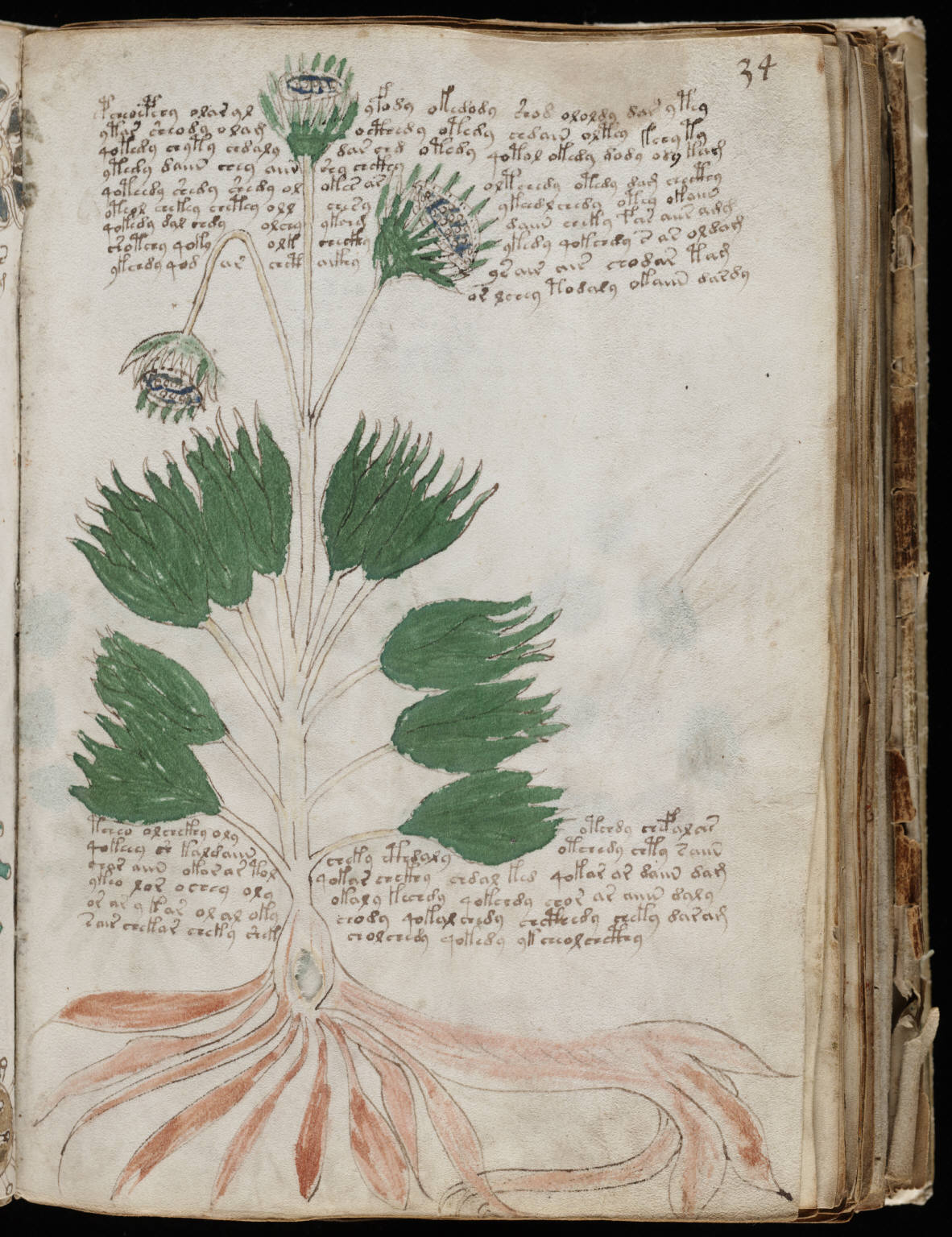
The Voynich manuscript is probably elaborate nonsense
It is a real book from the early 1400s, but the text is not a language in disguise. Every simple cipher of every European language we could test is ruled out: the writing is far too predictable, letter to letter, for any of them. Two explanations are left standing, a rigid glyph-by-glyph encoding with something behind it, or carefully made meaningless text, and the numbers lean toward meaningless. The write-up names the five tests that would settle it.
Fra Giovanni di Lucca to the Emperor: a figure cipher that reads two ways
DECODE R2159, listed as non-decrypted and left at Al principe di… on Tomokiyo’s page, because the crib puts i and n on the same figure. It is not a slip: 17 stands for both, and 19 for both t and s. Fix the eight consistent crib letters, anneal the rest, and every seed gives the same Italian while shuffled controls give none. A Viterbi pass over the two alternatives reads the letter end to end: keep the Turk off Rákóczi, raise Moldavia against him, and two thousand Cossacks.
 toFerdinand III
Armstrong to Madison: the coded postscript, read in full
Forty-nine groups of the State Department’s “THE = 972” diplomatic code, unread since 1808. The clerks’ pencil decodes on other despatches in NARA microfilm M34 roll 13 gave back 580 groups of the table, enough to read the postscript through: Armstrong telling Madison who should be consul, and why.
 fromJohn Armstrong→
 toJames Madison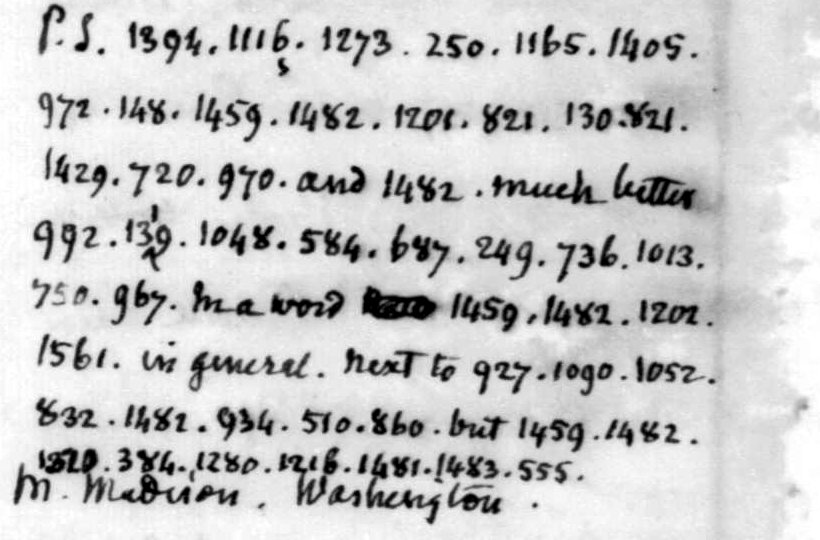
The Swatow telegram to Sun Yat-sen, which the Japanese Foreign Ministry could not read
Twenty consonants, five vowels, ten-letter words: a code condenser laid over the standard Chinese telegraph code. The family of systematic tables is small enough to try every one, and a single key reads the message: Mo Qingyu declaring independence at Chaozhou, and Sun’s men ordered out of the Swatow garrison headquarters, 3 April 1916.
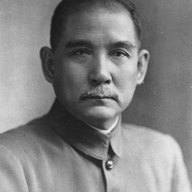 toSun Yat-sen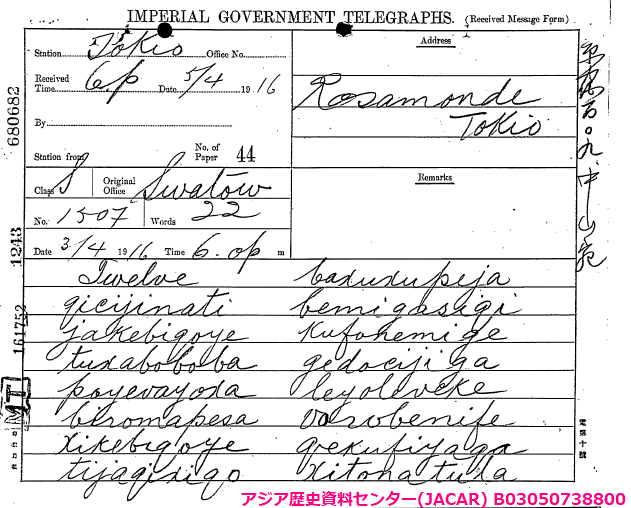
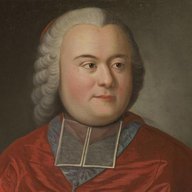
Richelieu to M. de Rancé: broken from the ciphertext alone, then found in print
Two partly enciphered letters of July 1629, listed as undeciphered by the reference catalogues. The homophonic alphabet, its doubling mark and the nomenclature were recovered from the transcription alone, and the reading then agreed word for word with a decipherment Avenel printed in 1858 that the catalogues had missed.
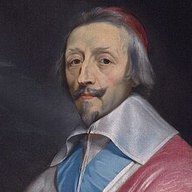 fromCardinal Richelieu
Feuquières to Catinat: a Louis XIV war plan read for the first time since 1893
The 1819 editor of Catinat’s papers printed the despatch in figures and gave up on it; Bazeries read it and never printed the text. The break is a second letter in the same 367-group petit chiffre, Louvois to the previous governor of Pignerol, which the same edition prints with its translation. Hand alignment carried between the two letters reads the plan for the surprise of Veillane: two roads into the town, eighty horse to Saint-Ambroise, an attack at two points, and the dragoons not to be let escape into the castle.
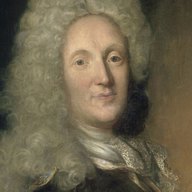 toCatinat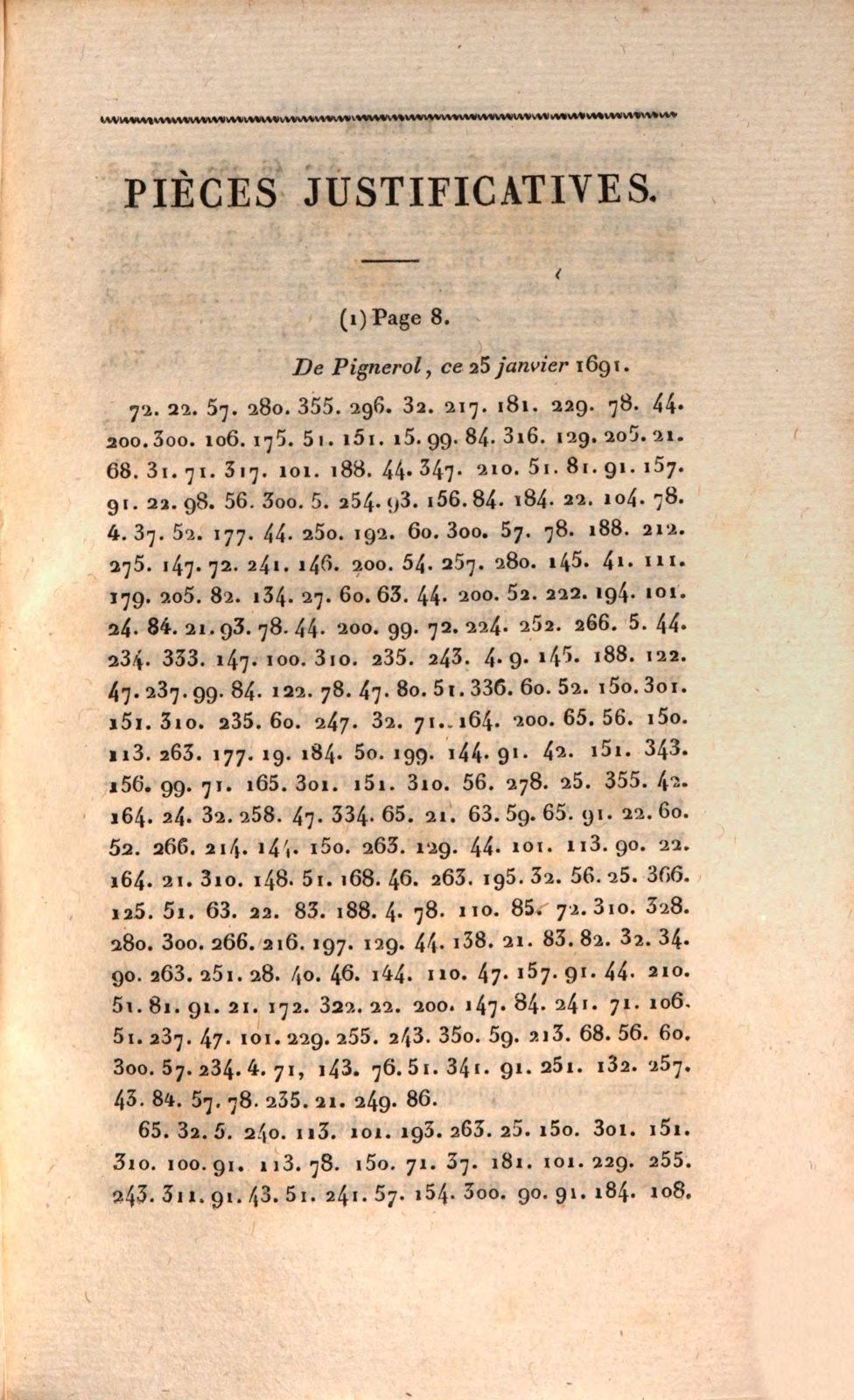
Maltravers to Ormonde: fifty-nine figures, a regular key, and Wentworth’s own confirmation
Doubled letters written with consecutive figures gave away a block alphabet: consonants three figures each from 7, vowels from 64, nulls 91 to 111. Every spelled word reads, and the nomenclator was then checked against Wentworth’s dispatches in Knowler’s Strafforde’s Letters: the King refusing to see Kildare, and Ormonde moved for the Council in exchange for Sir Piers Crosby.
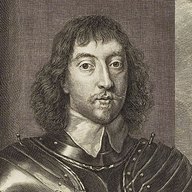 fromLord Maltravers→
 toEarl of Ormonde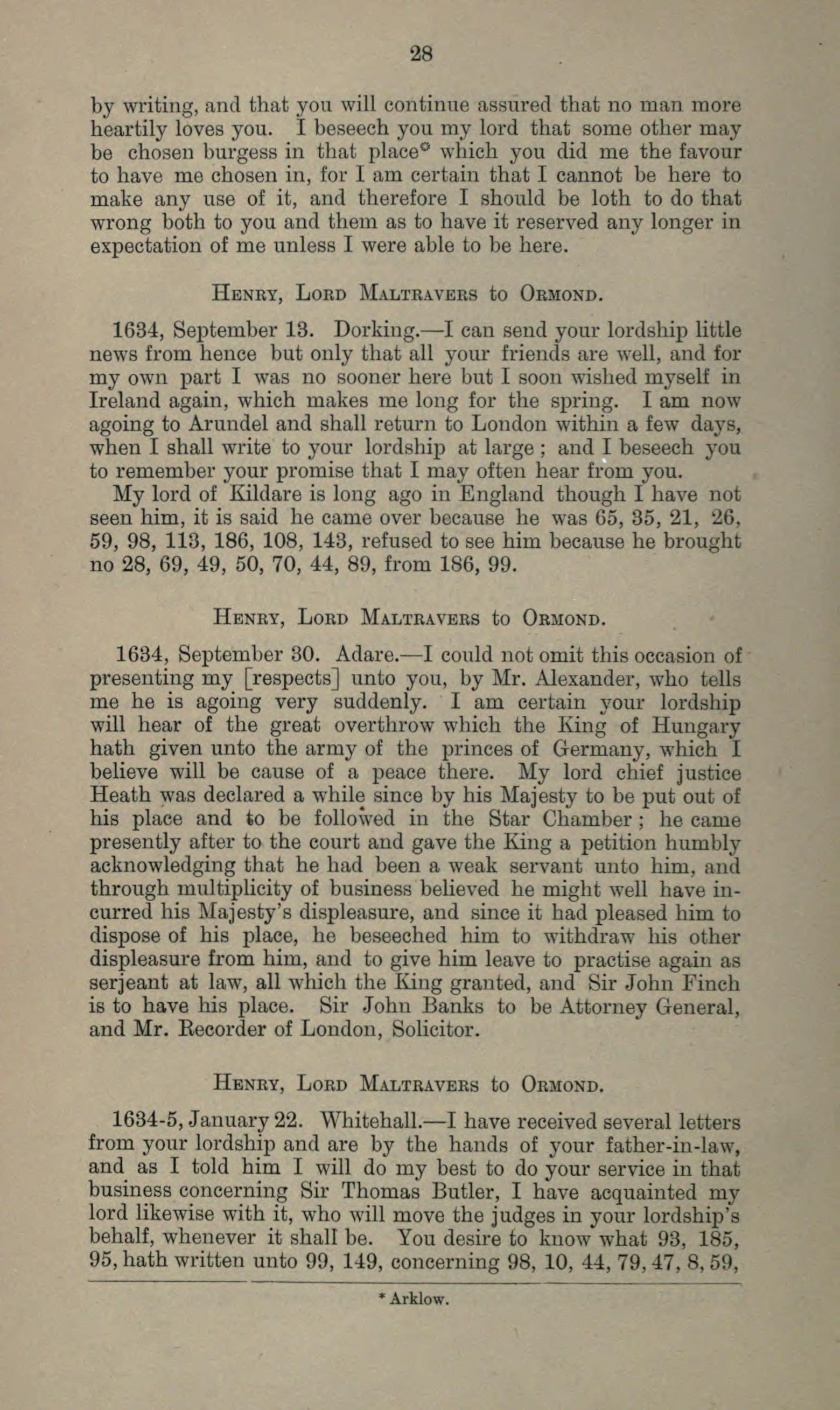
00 Recent findings
Newest first. One line each — the evidence is in the write-up linked, or in the tracker in the repository. The date on each line, and on every write-up, is the day the finding landed in the public repository, taken from the commit history.
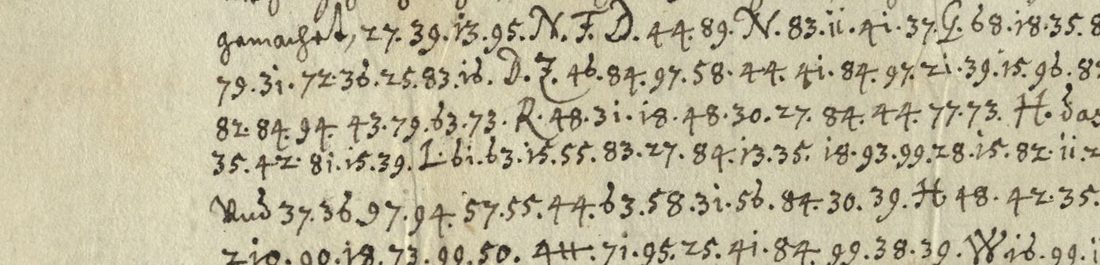
 Otto von der Malsburg to Landgrave Wilhelm V of Hesse-Kassel, January–March 1637 — key recovered from the ciphertext alone, 96% of the cipher deciphered: ten letters catalogued on HCPortal as unsolved (HStAM 4 h Nr. 1411) on unpaid garrisons, Ehrenbreitstein and the refused safe-conducts for the Cologne peace talks; a second cipher on f. 12 stays closed. write-up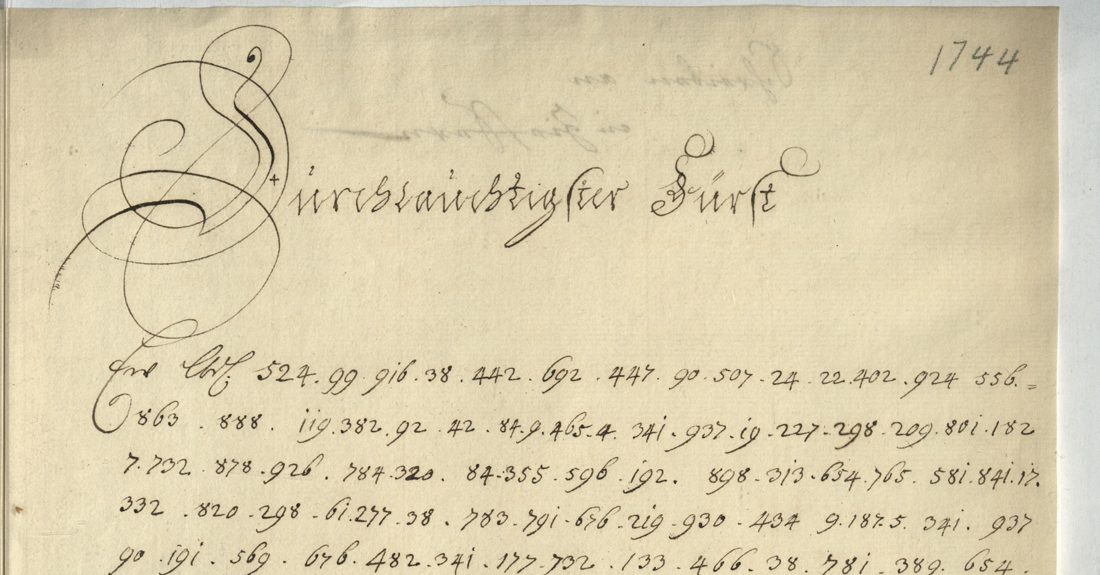
 An informant to the Prince of Waldeck, January 1744 — not deciphered: a two-part homophonic nomenclator that one letter of 717 groups cannot identify, shown on synthetic letters of the same design. The prince’s French draft reply on the back dates it and names its motive, a place in his regiment. write-up
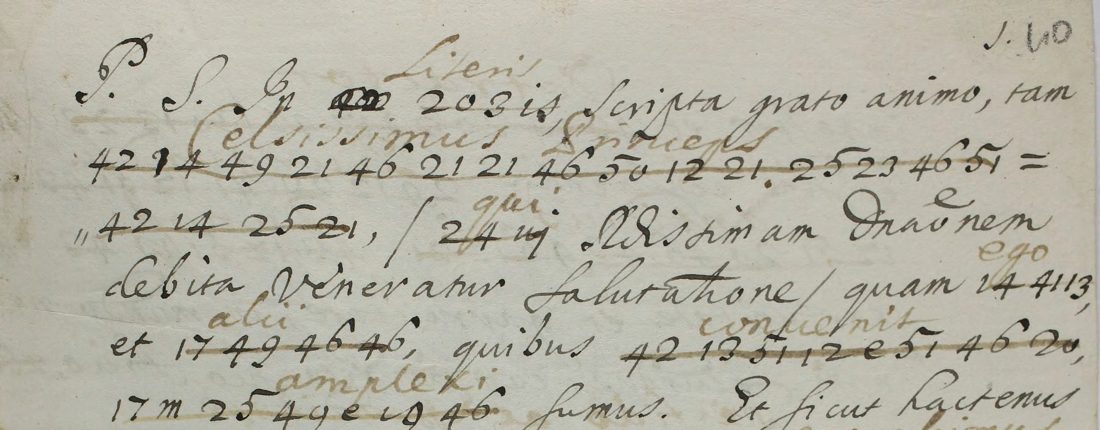 A Wallachian postscript against Antide Dunod, after 1688 — the “Latin cipher letter” in the Szembek papers at Kórnik was deciphered between the lines at the time; key rebuilt from the glosses and every run checked. Not a Szembek letter: it blames the imperial Jesuit envoy Dunod for misleading the late Prince Şerban Cantacuzino of Wallachia. write-up
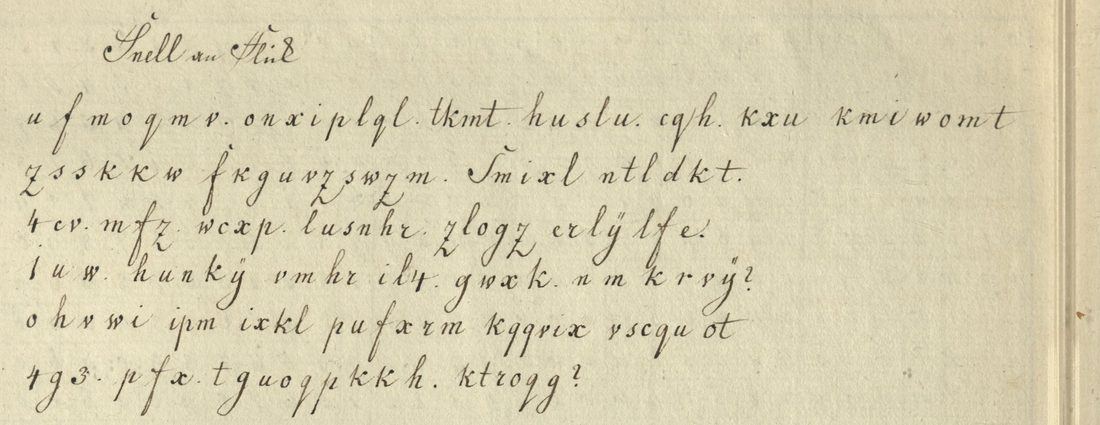 Snell to an unidentified correspondent, 1824 — key rebuilt from the decipherer’s note, whole text deciphered: a Hessian copy of an invisible-ink message (HStAM 9 a Nr. 259 f. 249, HCPortal 513), listed as an unsolved polyalphabetic cipher. Key bcdefg over a Vigenère table whose columns run on past z into the digits 1–4; it asks what Paul Follen heard about America from Fries, Oken and de Wette. write-up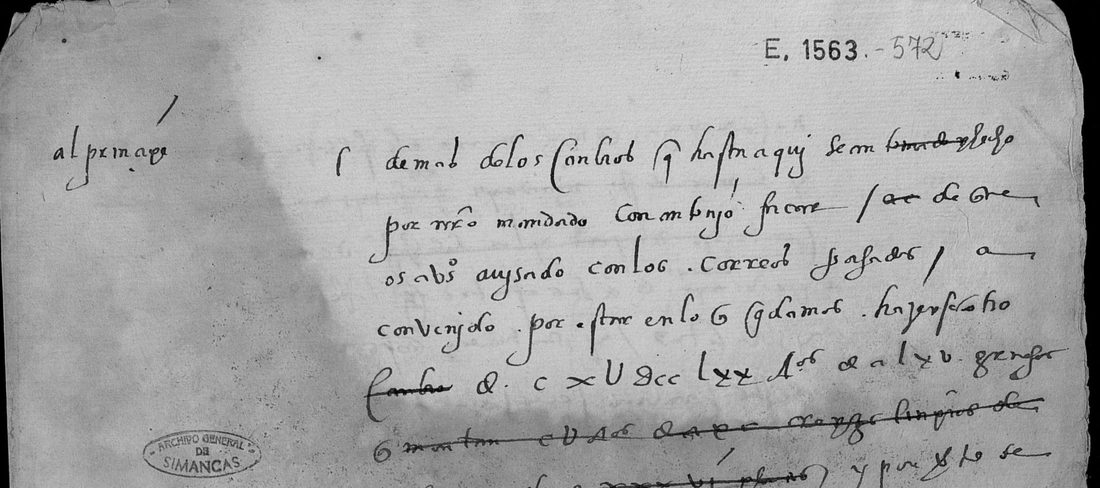
 Charles V to Prince Philip, 1543–54 (catalogued as Burgo to Gattinara, 1527) — not a cipher: DECODE R9970 is a clear minute on an exchange of 110,770 ducats with Anton Fugger, not the ciphered Ferrara letter of 1527. write-up
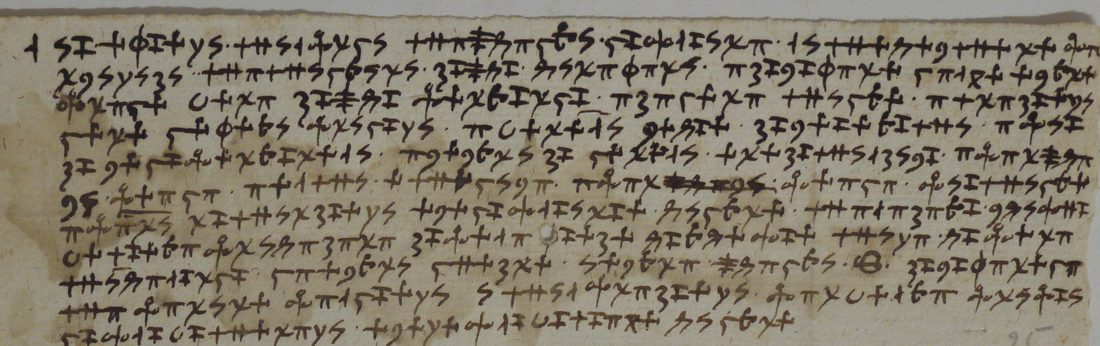 Sienese envoys to the government of Siena, before 1429–1547 — keys recovered from the ciphertext alone for three never-studied letters (a treaty with the Emperor, 87%; a lord’s route to Casole, 96%; envoys writing while Carlo Malatesta lived), and a fourth rebuilt from its own fragment; none of the 43 filed keys fits, and the 1421 letter was never photographed. write-up
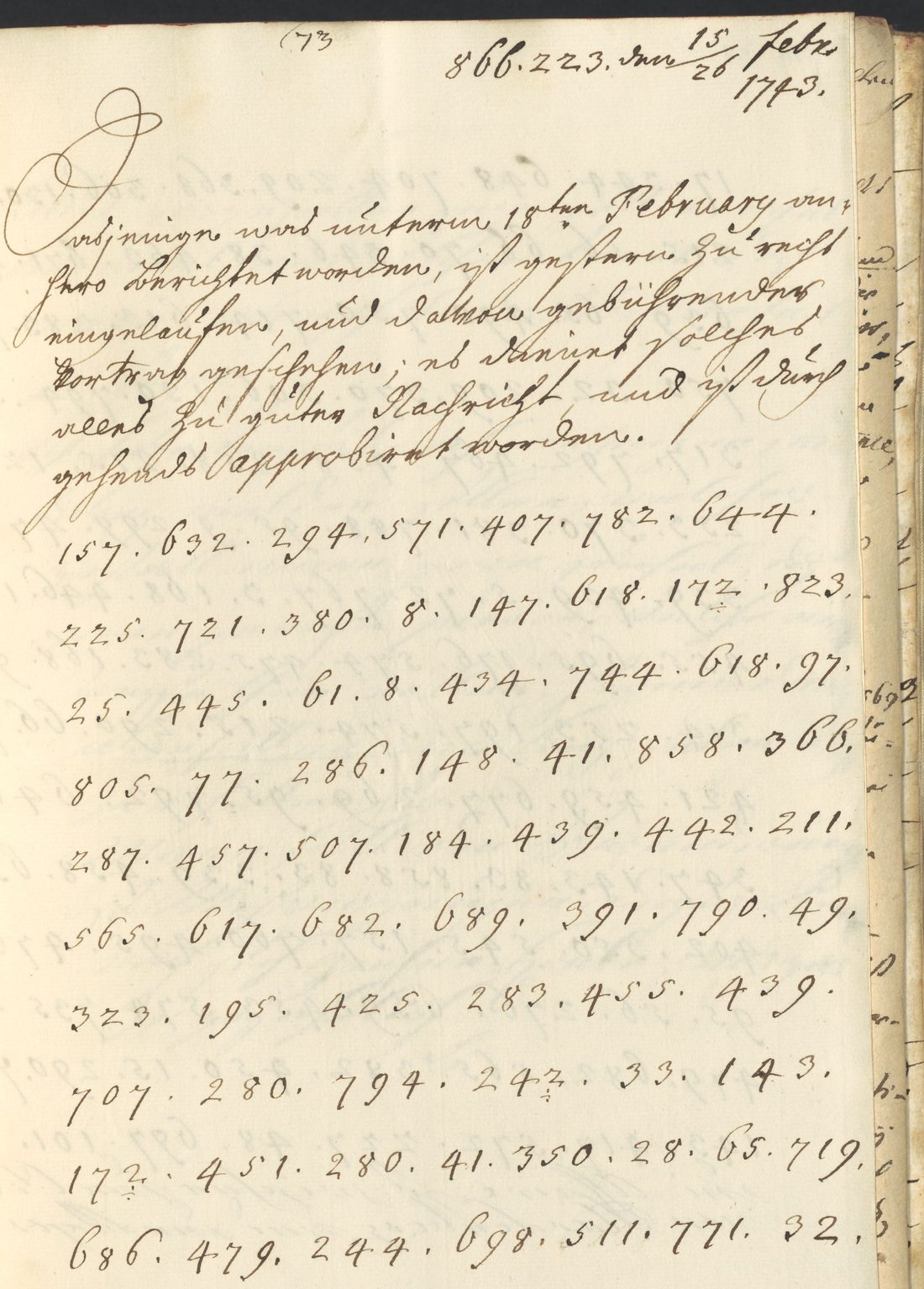 London to J. G. von Ilten, 1743 — a code letter with no decipherment, deciphered with the table filed in a later volume of the same papers: forage, discipline and Lord Stair’s instructions. write-up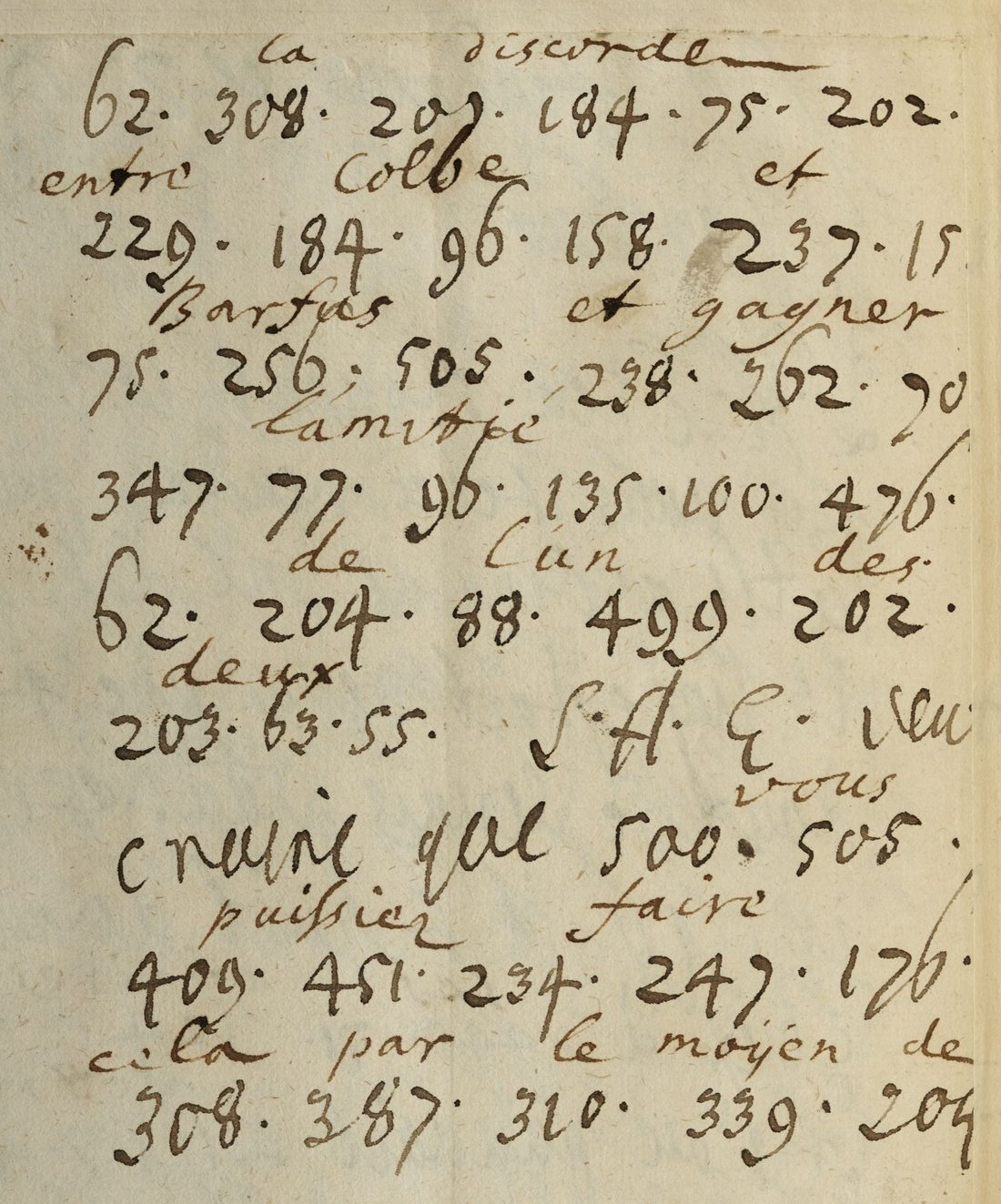
 Hanoverian letters to J. H. von Ilten, 1697–1706 — listed here as “not deciphered”, but deciphered at the time: the interlinear decipherments were transcribed and checked. write-up
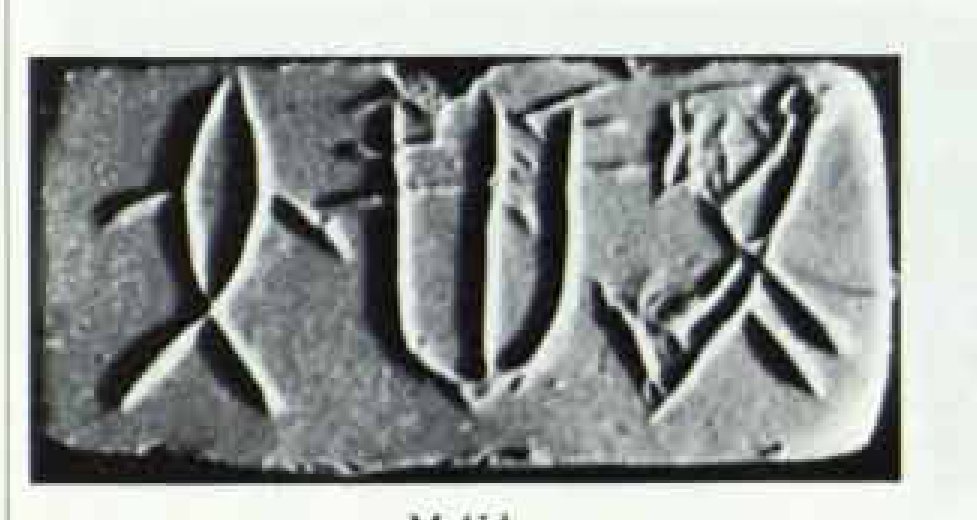 The Indus script, c. 2600–1900 BCE — not read; 2,364 hypotheses registered before testing set out the grammar a reading must fit Parpola’s star names rest on one or two seals; names end in a slot chosen by their last sign, line breaks never split a word unit, and seal names behave like Linear B personal names at matched length. write-up
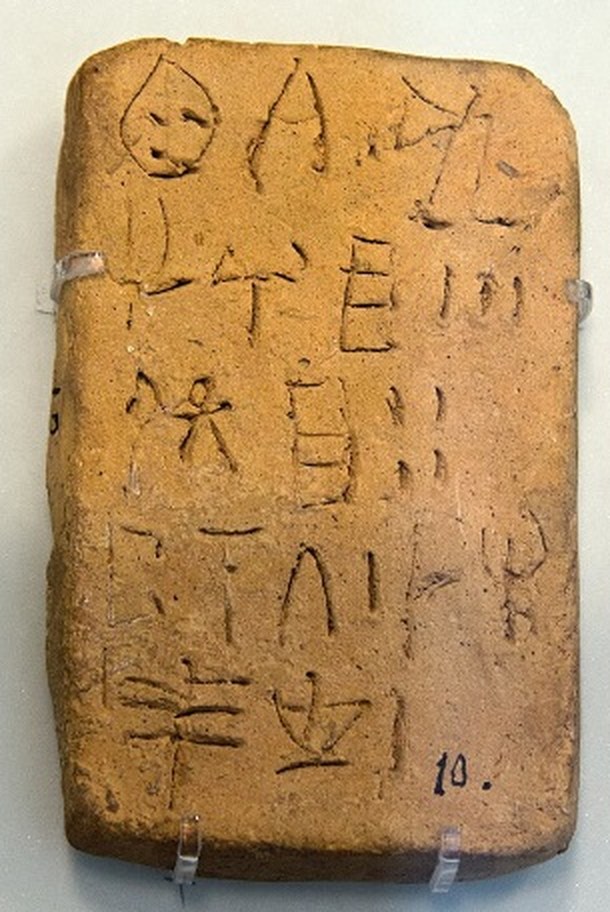 Linear A, Minoan Crete, c. 1800–1450 BC — the accounts give sense without the language (41.8% of tokens); the language is not solved Linear B sound values tested against chance; totals rechecked, HT 34 against the published fraction values; 67 rounds of tests on the sound shape, the Knossos names and the bookkeeping. write-up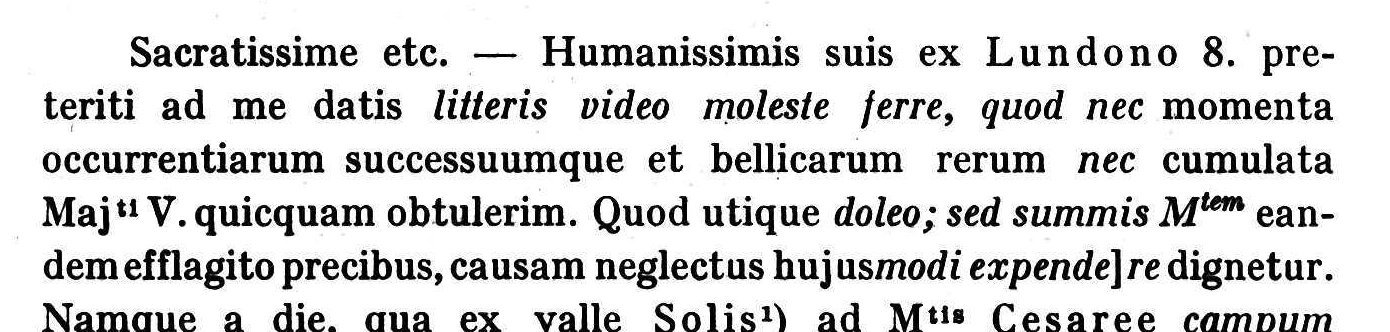
 Cardinal Schiner to Henry VIII, 14 June 1516 — the “not deciphered” cipher was deciphered in print in 1925 The ciphered words in Schiner’s autograph letter from Trent, Maximilian’s proposal to Henry of Milan and the crown of the Empire, were deciphered and printed in italics by Büchi and Schiess; Letters and Papers had given six of the fourteen passages. write-up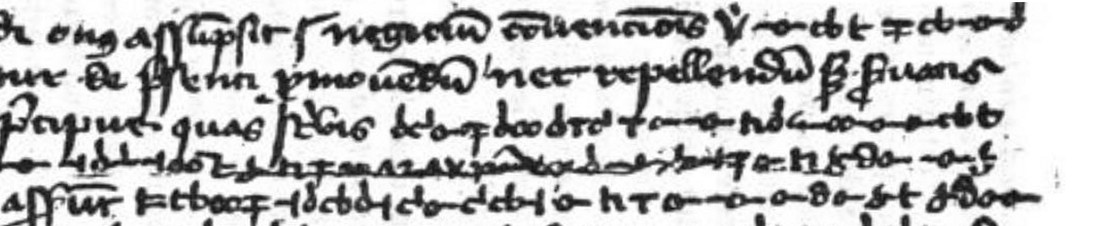
 Benedict XIII to Francesc Climent, 1399–1416 — the best pre-1425 lead was deciphered in print in 1920 Meister’s unseen papal cipher in the Barcelona cathedral archive is fourteen letters that Canon Puig y Puig deciphered from Climent’s own glosses and printed with the cipher passages in italics; from his one facsimile page the key he never printed is rebuilt here (a simple substitution, 91% of the page confirmed symbol by symbol), and it corrects him three times. write-up
 A letter from Reims on the chapter’s postulation, 19 June 1589 — catalogued as a 1556 letter to Guise; deciphered in part (91.8%) with the known Nevers–Piles key Three pages wholly in cipher tell how the Reims chapter postulated the grand archdeacon Brulart and the dean Frison after the Cardinal de Guise’s murder, with Parma, Mayenne and the Elbeuf ransom. write-up
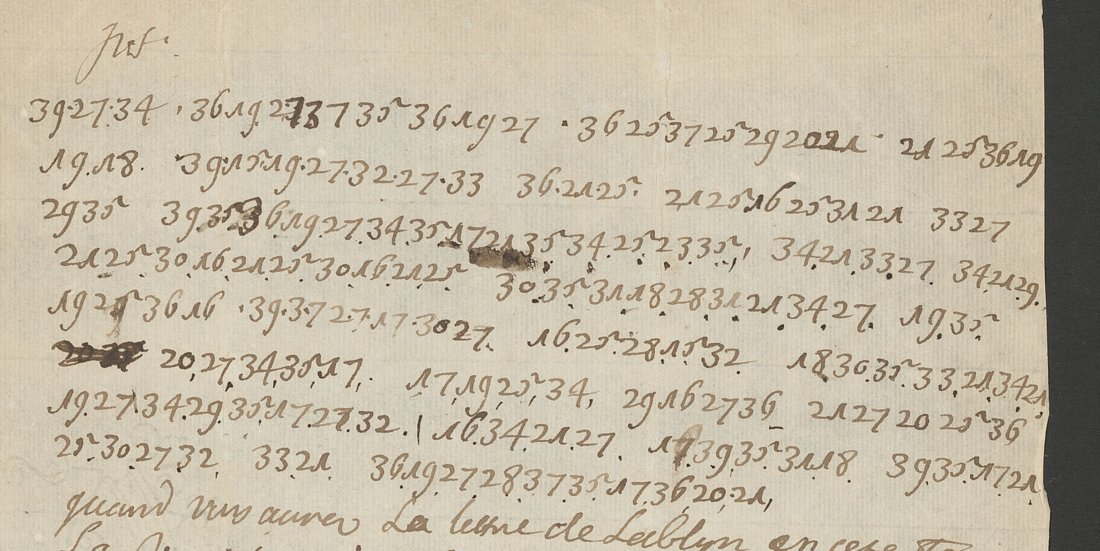 Potocka and Mniszech to Dunin, 1714–16 and undated — key recovered from the ciphertext alone on a Polish postscript, then applied to the French passages of eight other letters. Four person codes and Mniszech’s separate cipher remain open. write-up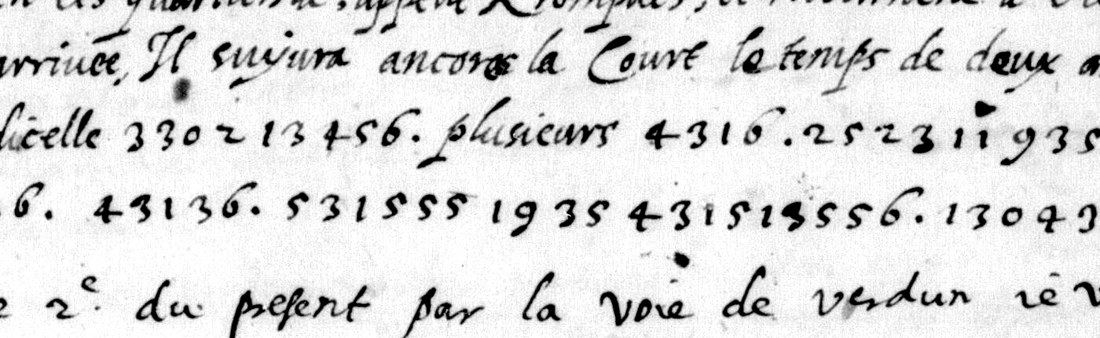
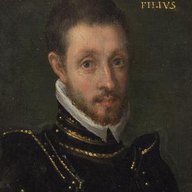 L’Abbé to Nevers, Prague and Breslau, 1577 — attempted; the numerical cipher is not deciphered. Expanded draft inventory and failed substitution tests; a February cipher-dispatch reference supplies the next archival lead. write-up
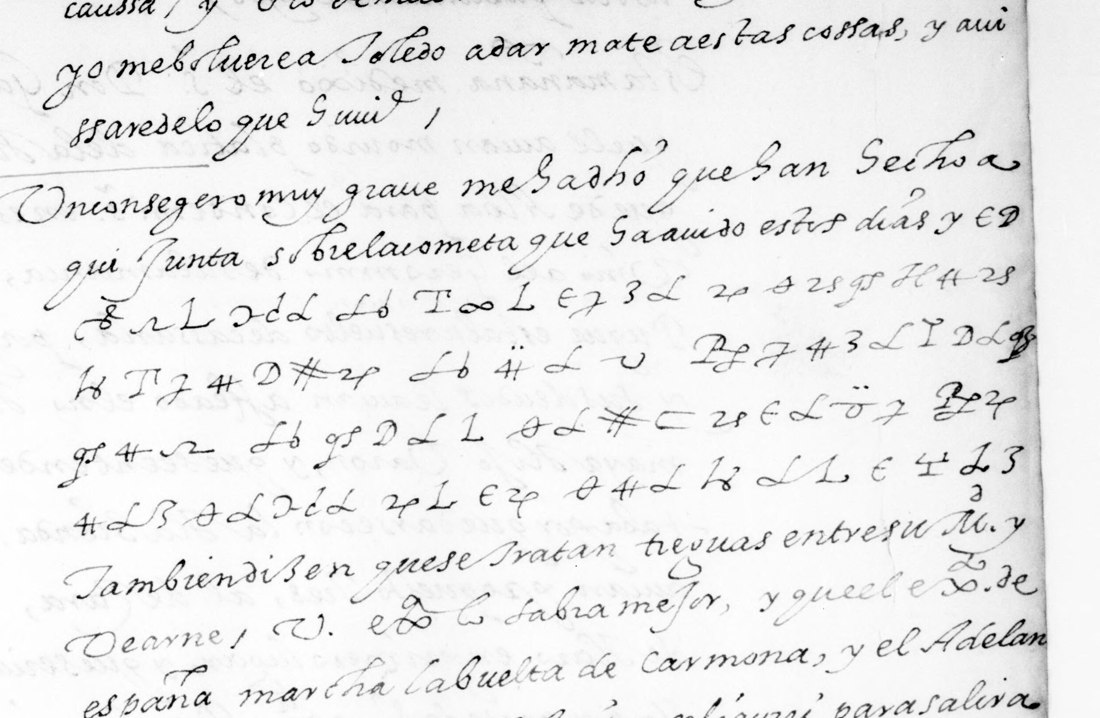 Segura to the Constable of Castile, 8 August 1596 — key recovered from the ciphertext alone for two short cipher passages; six symbol values are tentative. A councillor reports a comet prediction: the world will end or the king die around September. write-up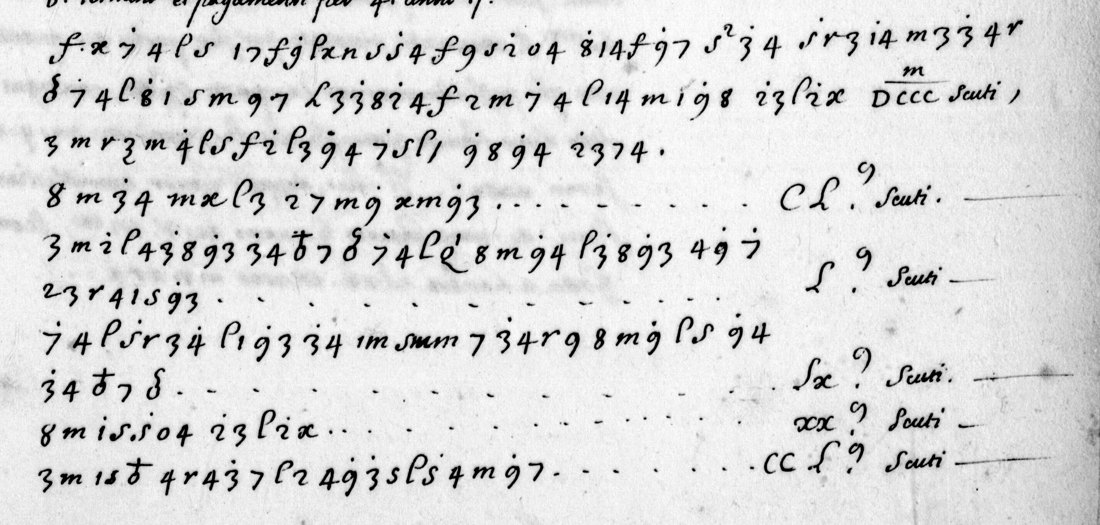
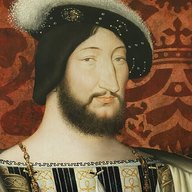 Passano to Francis I, London, March 1530 — key recovered from the ciphertext alone, after a corrected transcription of the surviving cipher account. Cash, credits, revenues and valuables associated with Wolsey: 386 of 402 symbols give sense, with explicit emendations and three rare signs still open. write-up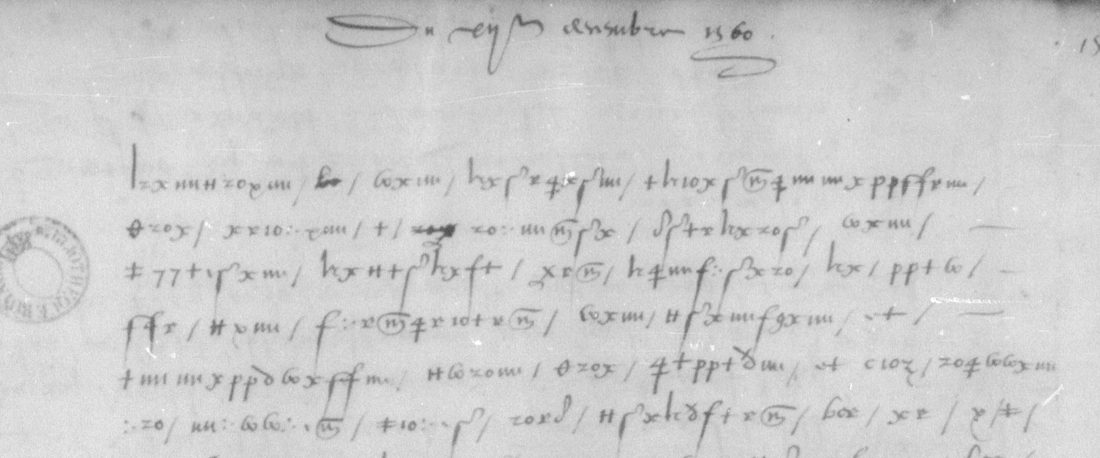
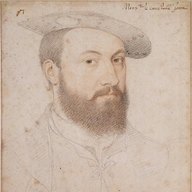 An Agenais gentleman to the connétable de Montmorency, 12 December 1560 — ten pages of an unknown cursive cipher; key recovered from the ciphertext alone, 98.9% deciphered: two thousand Protestants in arms at Clairac, Biron turning back from Bergerac, the rebel captains at Nérac around the king of Navarre, a week after the death of François II. write-up
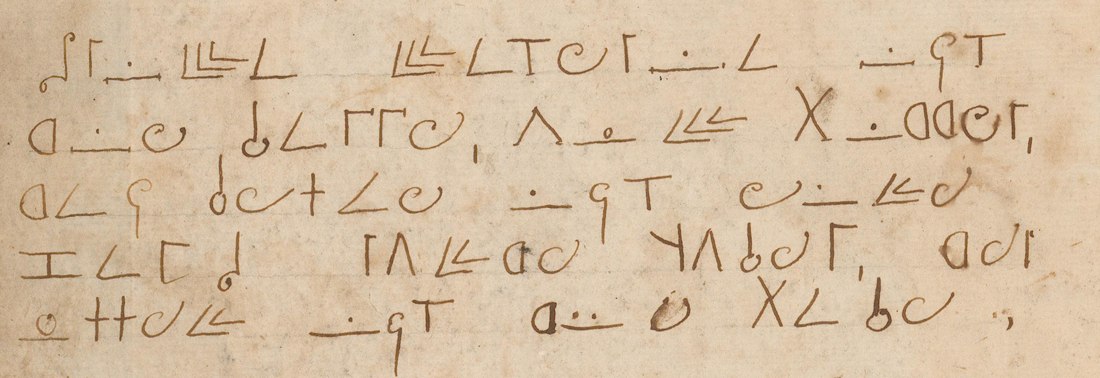 Speculum cipher flyleaf, undated in a 1618 volume — key recovered from Rous’s published partial decipherment and completed: ram gall, a vessel and a furnace. 79 symbols assigned; one apparent textual error marked. write-up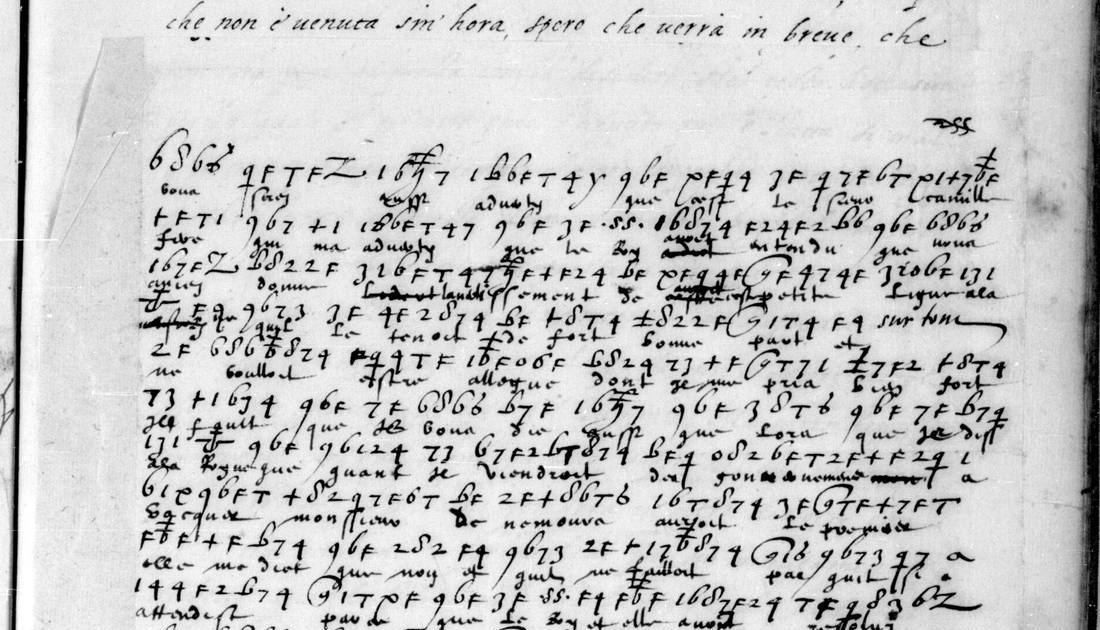
 Henriette de Clèves and Renato Birago to the duke of Nevers, Lyon, September 1574 — partial: a clear copy and an interlinear decipherment survive with the cipher and were transcribed. Birago's 28 September letter is complete under its cipher flap; the duchess's cipher has an interlinear French decipherment and a clear 16 September ending, but most of her two pages still need a palaeographic edition. write-up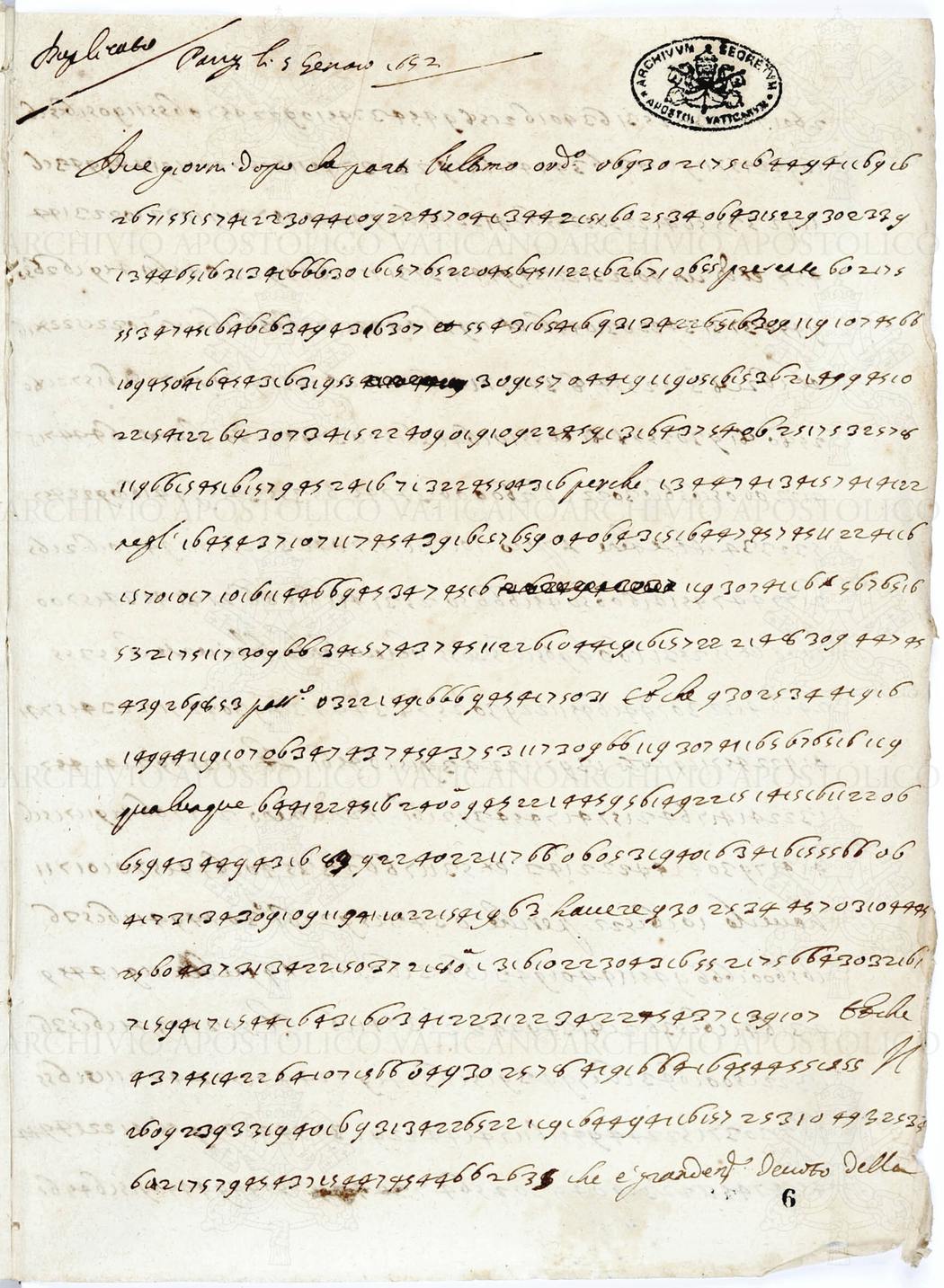
 Niccolò Guidi di Bagno to the Secretariat of State, Paris, 5 January 1652 — attempted, not deciphered: the suggested Francia 346 key is excluded. Four cipher pages in AAV Francia 104 repeatedly write
 66and666, impossible under the 1632 table’s rule that6is a separator. No transcript, decipherment, clear copy, edition or matching key was found; automated transcription was too noisy to publish. write-up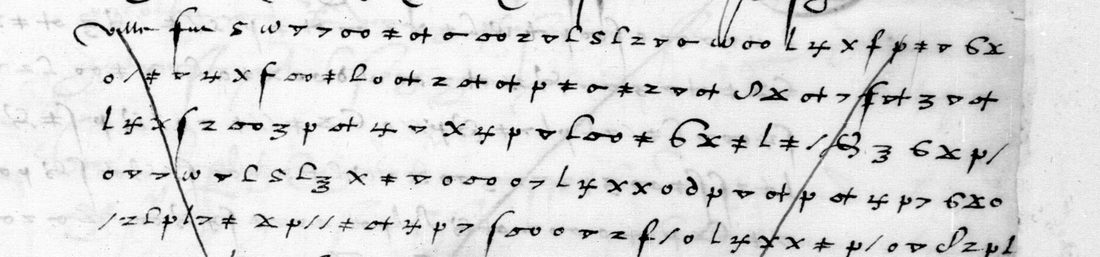
 Georges de Selve at Venice to Francis I, 1535–1536 — deciphered in part with Tomokiyo’s published key: two despatches with no decipherment on DECODE Satoshi Tomokiyo had reconstructed Selve’s cipher as a table. Applied sign by sign and extended here (a null between doubled letters), it deciphers the letter of 5 July 1536 at 99.1%: why Charles V wanted Marseille, the French galleys under the guns of La Garde, and the Pope refusing him tenths. The 1535 letter gives 95% outside the decipherer’s strikes: an Imperial informant sent to the French court as a merchant. write-up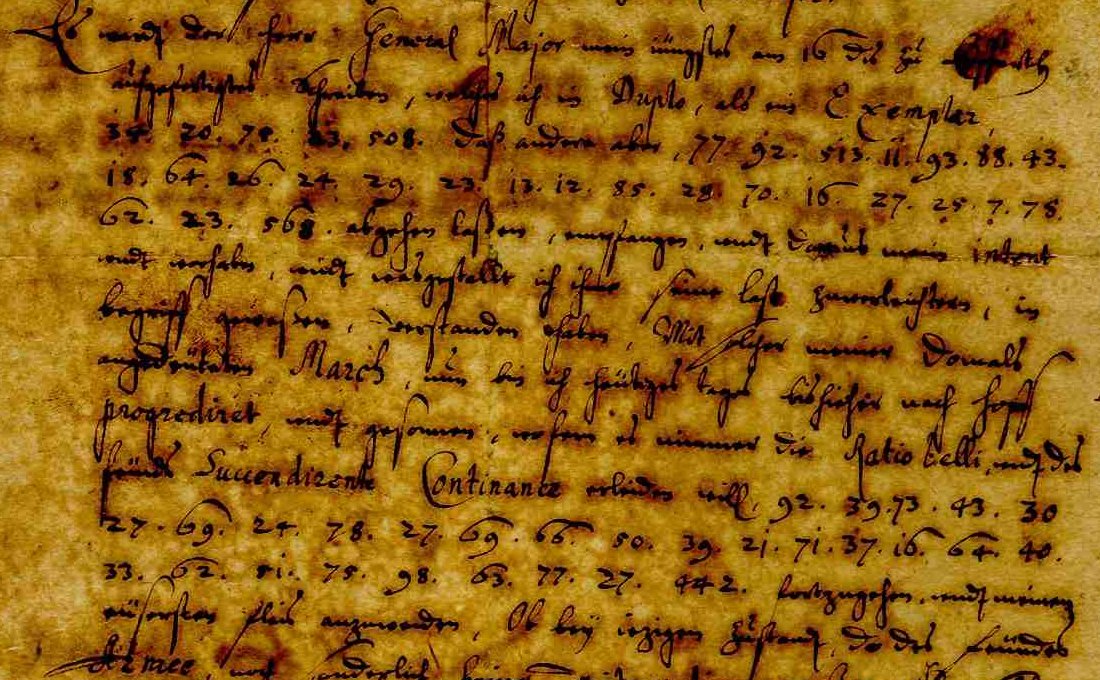
 Johan Banér to Torsten Stålhandske, Hof, 29 December 1640 — partial: a Cipherbrain challenge letter, key recovered from cribs in the context A copy of an intercepted field letter kept in Kircher’s correspondence. None of the Swedish keys on DECODE fits; durch and und let the solver write nach der Oberpfaltz und gegen die [442], and the key was rebuilt from there. Banér warns that the enemy may draw in the troops acting in Silesia and asks Stålhandske to follow with caution and report through spies. 90% of the cipher deciphered; a name, a corrupt stretch and the code words open. write-up
- “L’Estat du Roy de Navarre et de son party en France”, after 1580 — key recovered from the ciphertext alone: DECODE’s “unknown sender, unknown graphic signs” in Harley 1582 is a French memoir on Navarre’s party. It is a homophonic alphabet of ~50 symbols in which the letter m is a group of dots, taken for punctuation by every earlier pass. The prince of Parme, a party of malcontents, an engineer at Lisbon, Beaucaire, Carcassonne, d’Épernon. write-up
- A Venetian ambassador at Rome to the Doge, 29 April 1628 — key recovered from a related record’s decipherment DECODE R1862 had no transcription and no known contents. Its cipher is R1874’s syllabary, and R1874 is imaged with the chancery’s decipherment; aligning the two rebuilt the key. Cardinal Barberini had asked twice whether Palmanova was fortified and the Pontebba pass secured, and spoke of the disgusto di Aquileia; 0.95 of the text gives sense. write-up
- “Johann Arndt”, Das zweyte Silentium Dei, 1798 (Beinecke Mellon MS 136, DECODE R2873) — deciphered with the key drawn in the book. Catalogued as a ciphered letter, it is an alchemical manuscript book about a “magical machine” of burning glasses. Its 31 passages are in a Rosicrucian pigpen script whose key is on p. 83. Page 24 had been deciphered online in 2022; every passage is now deciphered, 1,545 symbols with two open. write-up
 Nevers to La Vieuville, 30 September 1587 — not deciphered: DECODE R4289 is a copy of a clear letter with code numbers and three short runs; Nevers’s key no. 16 decodes the numbers (42 et 43, the eschevins and maire of Mézières; 63, La Vieuville) but not the runs, and the hand is illegible on the only images, a microfilm. write-up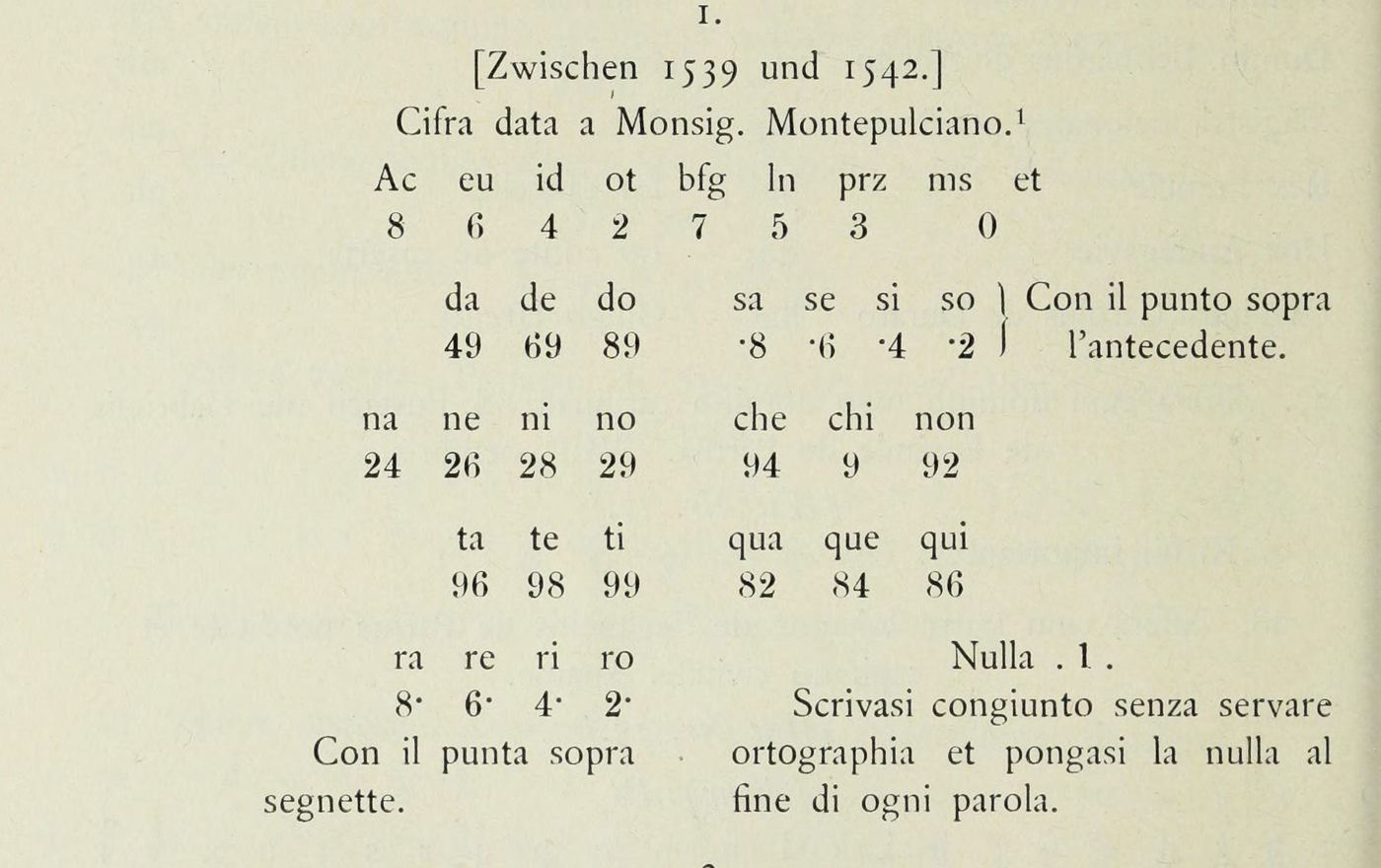
 Vatican Challenge Part 5, the Farnese letter of April 1542 — key recovered by Simon Klee; reviewed here and accepted by MysteryTwister. Klee recovered the same eighteen letter codes and null from either half independently, validated the search on synthetic and shuffled controls, corrected the public transcription against the manuscript, and published the key, edited Italian and token alignment. The earlier classification here is retracted:
 4is o,9is the null, and the core key uses mixed one- and two-digit letter codes. review and credit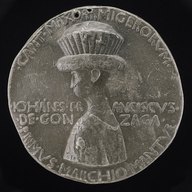 Four cipher letters to Gianfrancesco Gonzaga, Rome and Forlì, 1428–30 — partial: DECODE R1854’s “unknown sender” is four letters in four ciphers; three are deciphered, two of them with keys recovered from the ciphertext alone, among the oldest deciphered here; Pandolfo Malatesta’s runs stay open. write-up
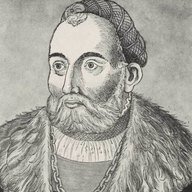 King John Zápolya and an agent at Buda → the dukes of Bavaria, February 1534 — partial: the two ciphertexts DECODE files under Cornelio Sperantio (R9411, R9412) are letters to the dukes under cover to him: King John on the Hungarian mines, 96% deciphered with a key rebuilt from its interlinear decipherment, and a Buda newsletter on Werbőczy’s peace with the Turk, 95%. write-up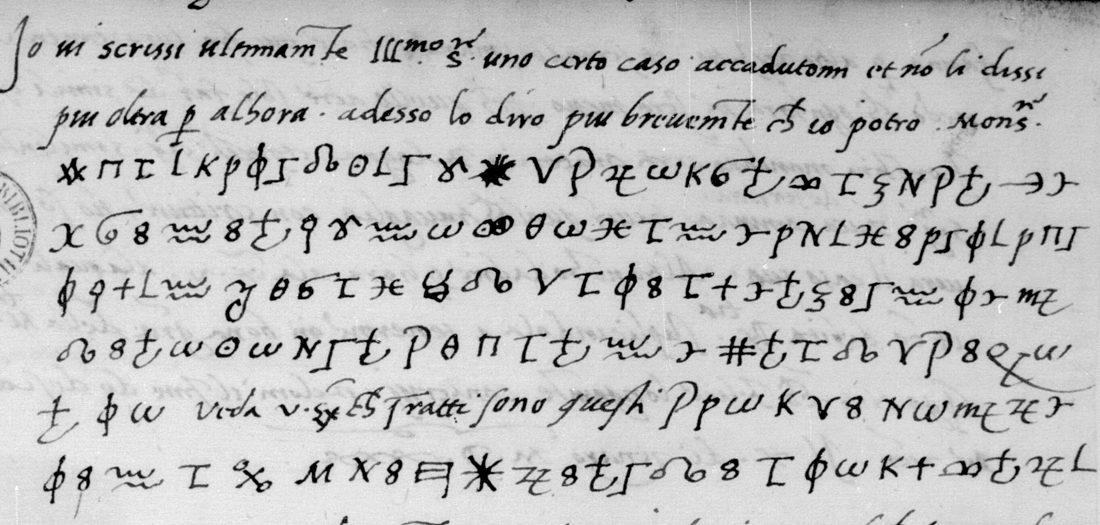
 Guido Rangone to Montmorency, Venice, 1529–30 — partial: an unknown homophonic cipher, key recovered from the ciphertext alone; Venice’s “grande oferte” to his brother-in-law Cesare Fregoso. write-up
- “L’Estat du Roy de Navarre et de son party en France”, after 1580 — identified and transcribed, not deciphered: the catalogue’s “unknown sender, 2 ciphertexts” in Harley 1582 splits in two: R8501 is a Stafford letter with its own contemporary decipherment, and R8505 is this French memoir on Navarre’s party, now transcribed in full (~3,630 graphic signs inline in the clear French). Homophonic on the statistics; no key recovered. write-up
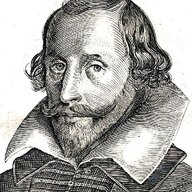 Ferdinand of Bavaria, Elector of Cologne, to Duke Maximilian I, Bonn, 22 December 1619 — key recovered from the ciphertext alone; the sender, the place and the language were all unknown. DECODE R9426 is ten ciphered pages at the end of the Bavarian key-book, catalogued “… to unknown recipient”. The cipher is a homophonic substitution on the even numbers 10–78 with a three-digit nomenclator, recovered with no key and no crib by a solver (simulated annealing) scored with a language model of 16th-century German; the same key then deciphers the neighbouring letter unchanged (“Albrecht von Gottes Gnaden”). Six weeks after Frederick V’s coronation in Prague, the Elector of Cologne is arranging winter quarters and pay for the Catholic League’s troops (two Kopfstück a day, companies at Deutz and in the county of Horn) and warning his brother that otherwise the Catholics will shortly have nothing left to secure them against “Einfal, Gwalt und Betrangnus”. 95.8% of the cipher tokens deciphered; 31 nomenclator groups stay open. write-up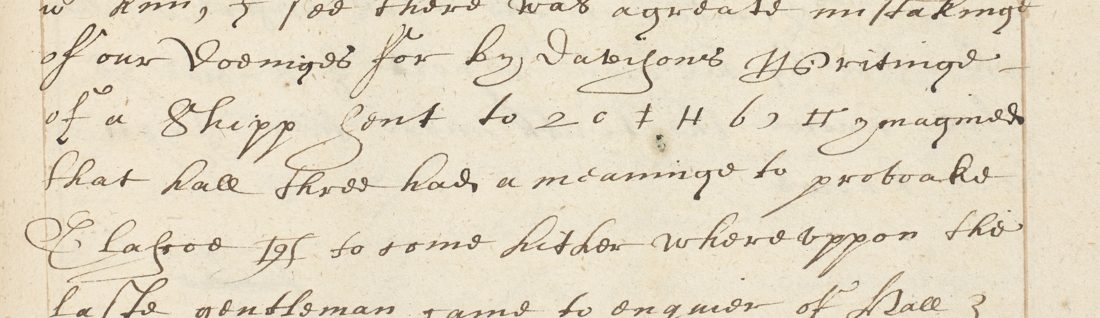
 Burghley to Walsingham, early 1573 — partial: the six-symbol place name that recurs through the winter’s letters is St Valery Walsingham’s letter-book copy (Harley MS 260 f. 419, DECODE R8364) of Burghley’s letter about the ship for the Archbishop of Glasgow’s gentleman. The same six-symbol word, printed in four letters by Digges in 1655, decodes as VALERY, and Walsingham’s file holds a French letter asking for a ship to be kept waiting at St Valery. The 1571 key survives at Kew (SP 106/2 f. 141A) but is not online. write-up
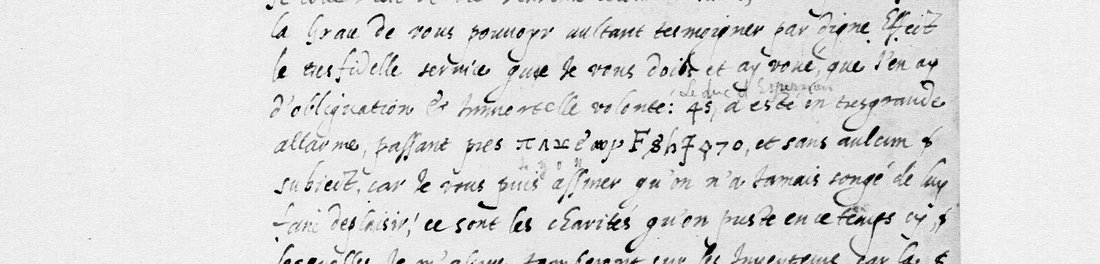 A correspondent at Randan to the Duke of Nevers, 27 March and 4 April 1587 — deciphered with Nevers’s key no. 11, matched to it once a glossed letter by the same hand showed how he drew its symbols: DECODE’s “Rome” is De Randan, in Auvergne; Épernon took alarm passing pres Lyon et ce pais; the codes are the marquis, Entragues and the queen of Navarre. write-up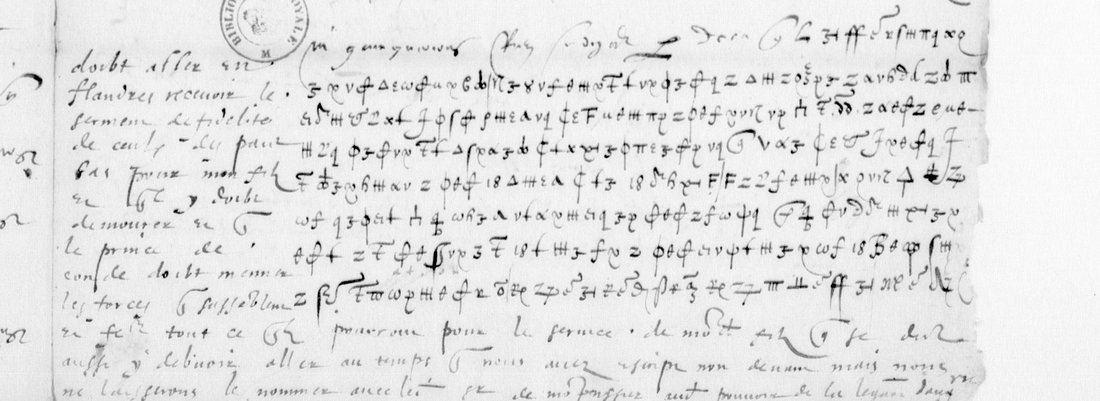
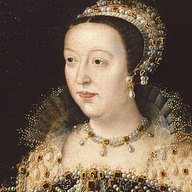 Catherine de Médicis to Villeroy, 7 February 1581 — the “unknown sender, 1587” is the Queen Mother, and the cipher line Tomokiyo left open is d’Angleterre plus padding The eight cipher lines of BnF fr. 15564 f. 33r, on Anjou and the Low Countries and the embassy to England, deciphered symbol by symbol with Tomokiyo’s key extended by twelve values. write-up
 A Paris informant to the Nevers household, 6 June 1588 — deciphered with the key rebuilt from the same informant’s glossed April letter: three weeks after the Barricades, the curés of Saint-André and Saint-Benoît stir up the people and the échevin Cotteblanche refuses Guise the Arsenal’s guns (BnF fr. 3976 ff. 133–134). write-up
- Frater Elias’s Lumen luminum, c. 1525 (Beinecke Mellon MS 29, DECODE R2877) — attempted, not deciphered: an alchemical book catalogued as a letter; no key was recovered. The Italian prologue gives the names of the twelve zodiac “spirits” and two recipes, for gold and for silver, in about 234 letters of cipher. Substitution (with a control that shows it would have worked), Vigenère, progressive and Alberti-disk attacks all fail, and the strings may be invented secret names. write-up
 Weinmeister to the Dukes of Bavaria, 10 December 1535 (BayHStA KAA 4591, DECODE R9407) — key recovered from contemporary glosses: the “Augurellio” of the catalogue is the cover address, and the writer signs in cipher, Iorg Weinmaister; f. 233 is 96.4% and f. 235 96.1% deciphered with the volume’s System A′ key, rebuilt from a sibling’s gloss: László Móré besieged in Palota, the diet of Pressburg, and fifty thousand Turks marching from Belgrade on Buda write-up
 Toulon to Van Hogendorp, 30 July 1803 — attempted, not deciphered: the code is identified, but its book is not digitised. Croiset’s six-series Batavian code survives only as a booklet in the Nationaal Archief. The three decrypted 1801 letters in the same code fix 3 of the 67 words, and nine values claimed earlier are withdrawn. write-up
 Wesselényi to Leopold I, c. 1663–64 (MNL OL E 199) — key recovered from the ciphertext alone. DECODE R674, a Latin draft by the Palatine of Hungary, hides its plan in a reversed alphabet (24 = a … 3 = x) with vowel homophones: join the regiments of Heister, Schneidau and Sporck and make a town take an imperial garrison, “ista nux durissima frangi debet”. 241 of 244 tokens; two codes open. write-up
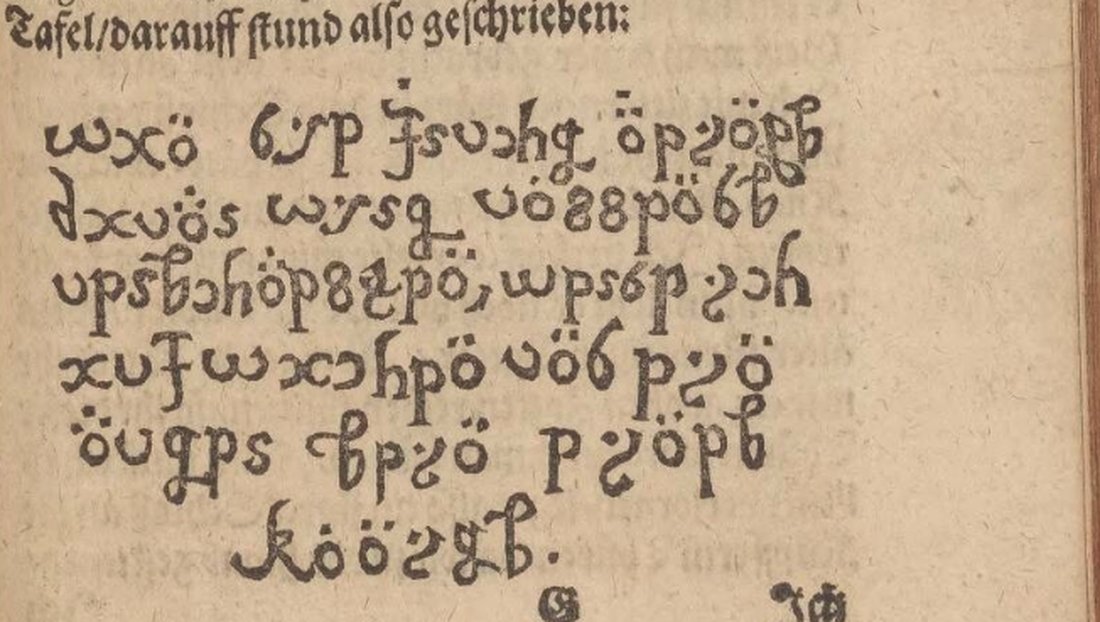 Andreae, Chymische Hochzeit, Strassburg 1616 — not a letter; the novel itself gives the plaintext. DECODE R4502’s four pages listed with no decipherment are the printed inscriptions of the Rosicrucian novel: two simple substitutions the page boy reads aloud a paragraph later (“hie ligt begraben Venus …”), and two lines of signs that are the dates 1378 and 1459. write-up
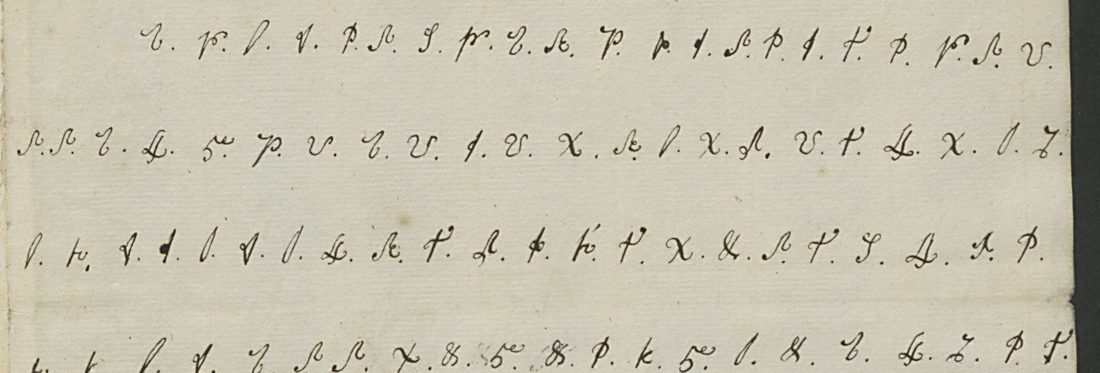 Unknown to unknown, 1728 (Add MS 32287) — attempted, not deciphered: not a simple substitution. 205 invented signs; the contemporary codebreaker’s tallies survive beside it, with no decipherment. write-up
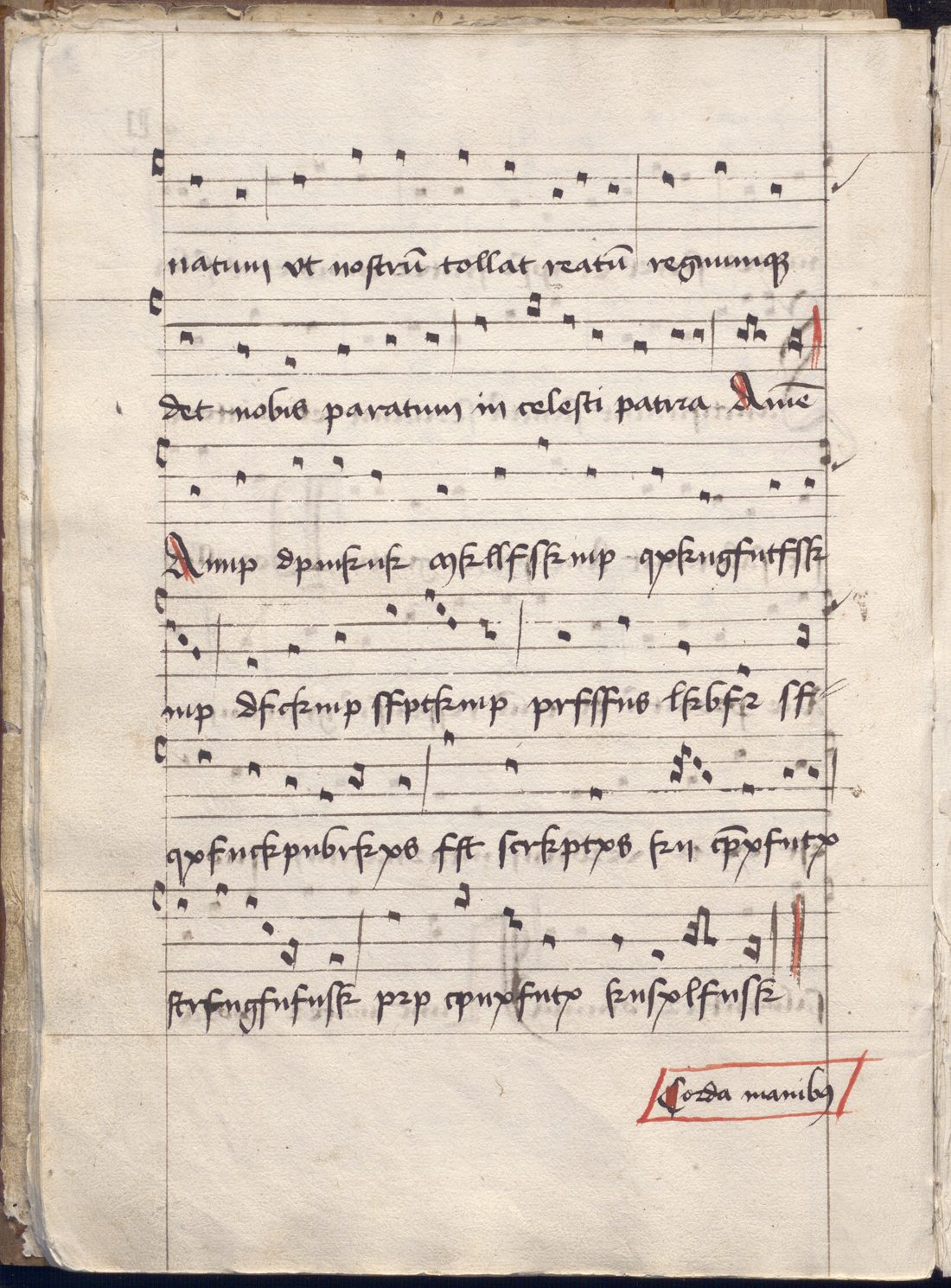 Strängnäs sequentiary, 1517 (Uppsala C 513) — partial. R4349 holds two ciphers: the scribe’s dating colophon under chant notation, every vowel written as the next letter, decoded with the rule printed in 1992; and the “six symbols” DECODE means, the close of an Old Swedish note to Anders Larsson pasted on f. 1r, too short to decipher. write-up
 Nicholas Wotton to Queen Mary, Soissons, 13 June 1554 — deciphered in part with the SP 106 key R354, matched to it here. R8499, catalogued as “N. Wottoy ?” to an unknown recipient, is the ambassador’s report on Sir Peter Carew and the rebels at the French court: pensions, a band with wages, the Isle of Wight and Plymouth. 75% of 2,801 symbols firm; the contemporary decipherment (Harley 1582 ff. 5–7) is not digitised. write-up
 Pál Bornemisza to Ferdinand I, Transylvania, c. 1556 — deciphered at the time; the key is the next DECODE record. R1212, catalogued as a letter to “Paulo Borne?”, is the bishop’s own report denouncing Ferenc Kendi, “ter perfidus”, for the loss of Transylvania; every run deciphered again from the symbols with key R1211, nine number codes open. write-up
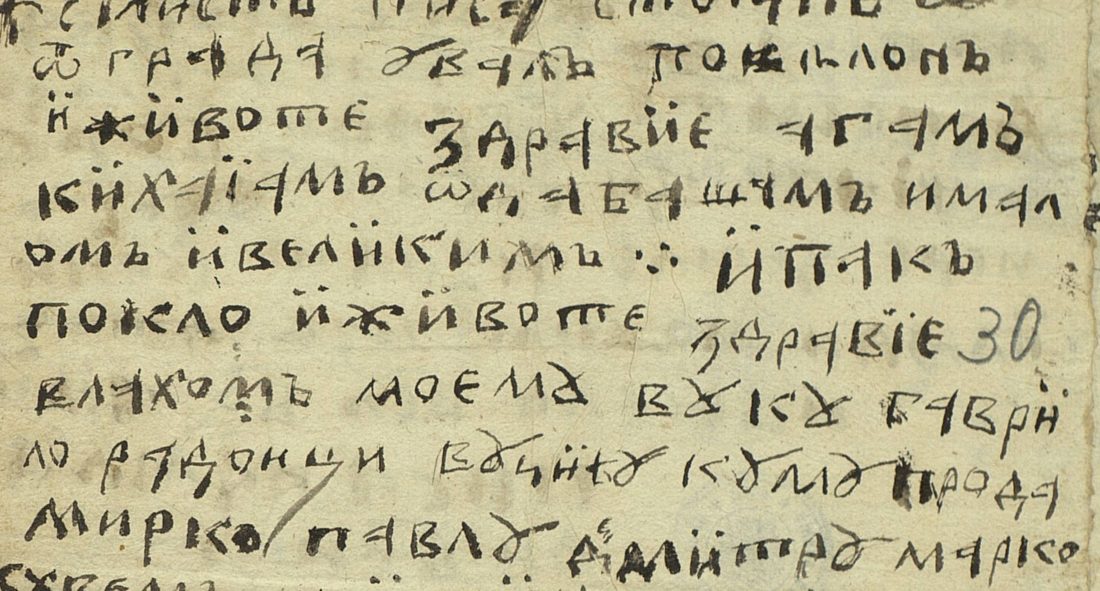 “Unknown sender to unknown recipient, 1664”, HHStA Verschwörerakten Fasc. 327 — not a cipher: the DECODE “graphic signs” are Cyrillic, a Serb prisoner’s plea to be got out of the German prison. write-up
 Galeazzo Visconti to Angelo Bolano and to Francis I, October 1528 and June 1529 — deciphered with Lasry’s key, extended: the siblings of the Landriano letter (BnF fr. 3045 f. 28, fr. 3096 f. 91; catalogue 179). Both letters are deciphered, 95.3% of symbols (to the King 95.4%, to Bolano 95.2%, a thin margin); a bare Λ doubles the next letter, and both are dated the 15th, not the 12th. write-up
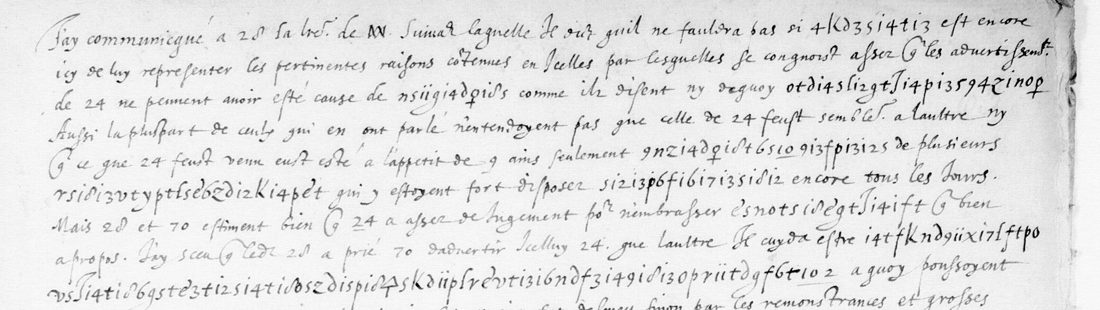 A court informant to the Duke of Nevers, 29 April 1588 — key recovered from a glossed sibling letter: Henri III nearly had five or six Paris ligueurs thrown in the river a fortnight before the Barricades (BnF fr. 3976 f. 62). write-up
 Gilbert Bayard to Montmorency, 5 January 1526 — attempted, not deciphered: no key. Three cipher lines from the Toledo negotiations; Champollion-Figeac printed the letter in 1847 and left them out. write-up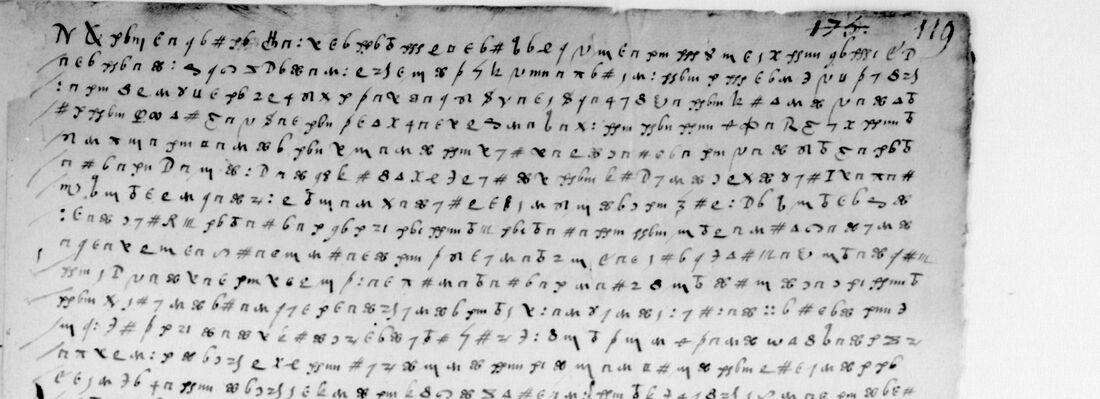
 Guise to the Duke of Mercœur, May and June 1587 — deciphered with Lasry’s 2022 key, extended: two letters (BnF fr. 15564 ff. 119, 142) on the League’s levies of reiters, Swiss and Italian lances and the Protestant army of 1587, 95.1% of symbols. write-up
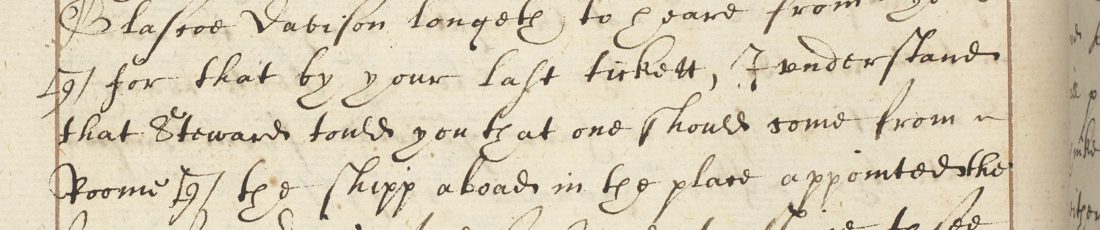 Burghley to Walsingham, 24 January 1573 — not a cipher: the “W. Baurleighs?” letter is clear, its two boxed 9s mark cover-names write-up
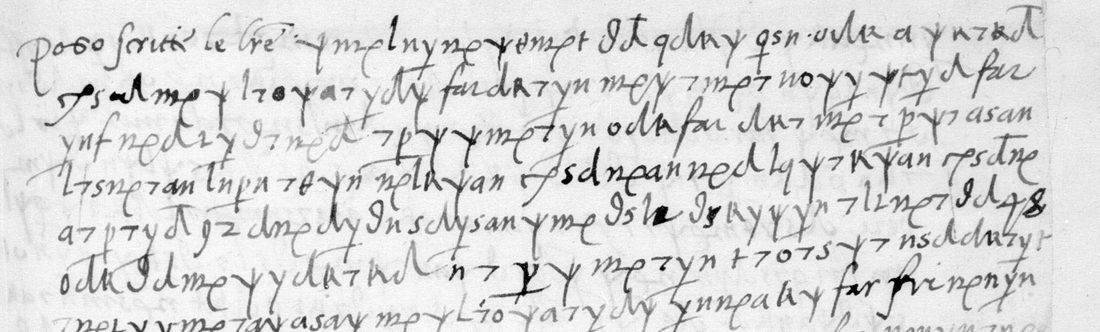 Galeazzo Visconti to Montmorency, Landriano, 30 August 1528 — deciphered in part (93.3% of symbols) with Lasry’s key, extended on the letter: a council of war over Milan or Pavia that Visconti lost; the numbered name codes stay open. write-up
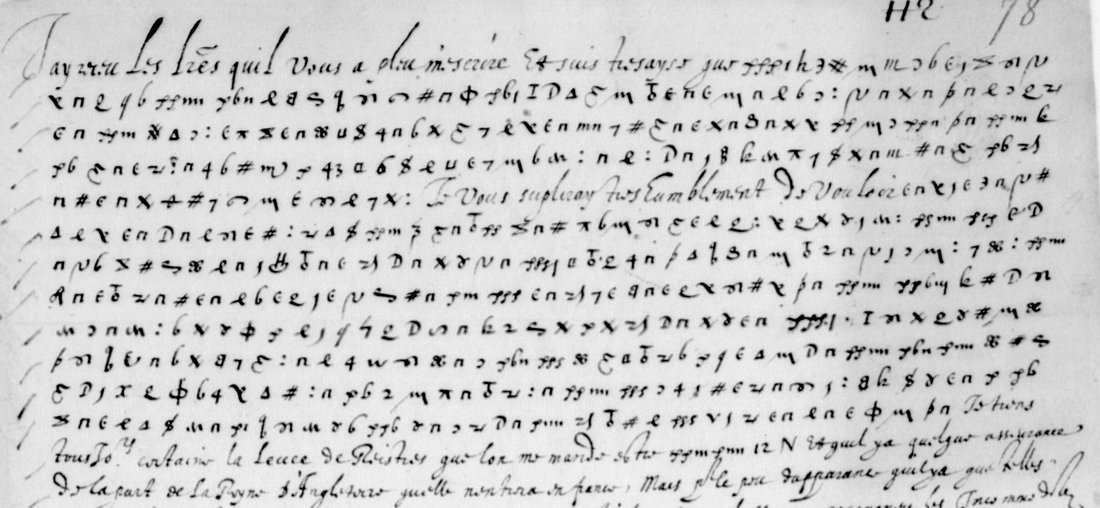 Guise to the Duke of Mercœur, 16 April 1587 — deciphered with Lasry’s 2022 key, extended: stay in Brittany, Parma’s troops cannot stay, and settle “23” par la douceur. write-up
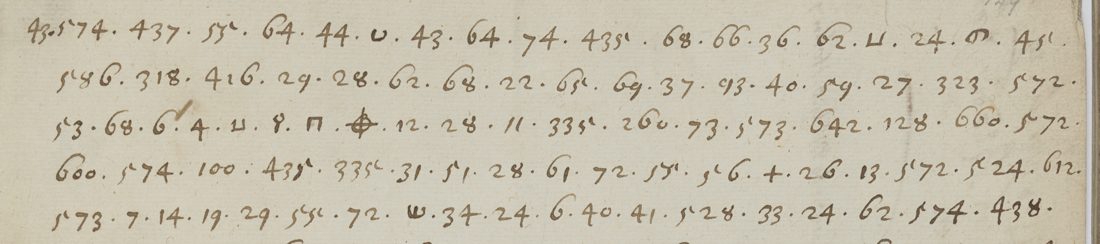 Robert Reade to his cousin, Paris, 19 April 1641 — deciphered in part with the Deciphering Branch’s Windebank key, matched to it here: whether the exiled Secretary could return under a summons. write-up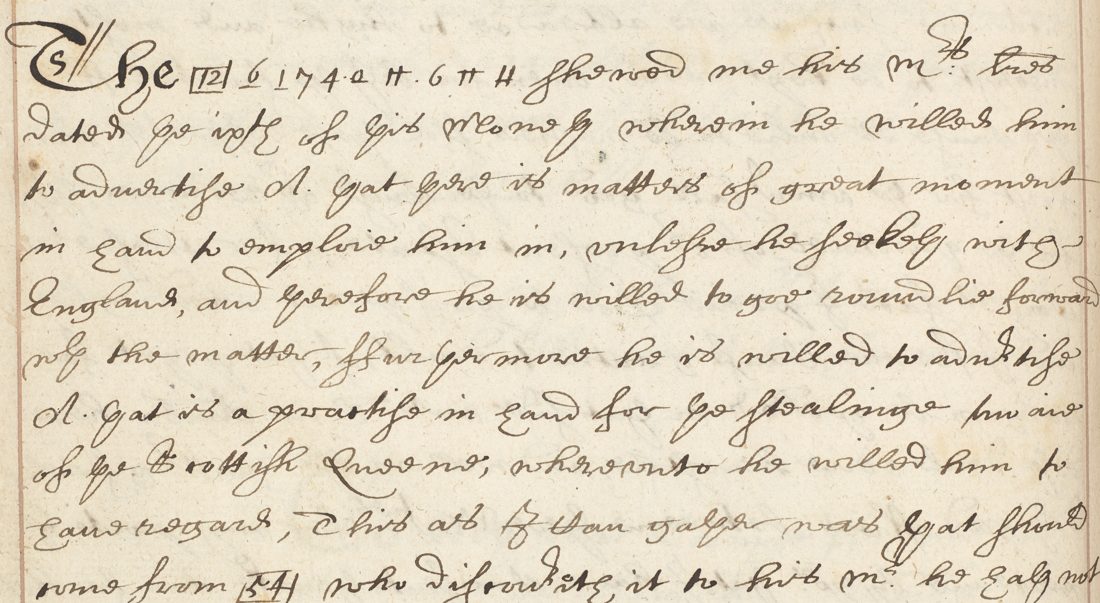
 Walsingham’s letter-book, June 1571 — attempted: the “Elizabeth R.” letter is clear; the cipher is a nine-symbol run in Walsingham to Burghley, too short to decipher write-up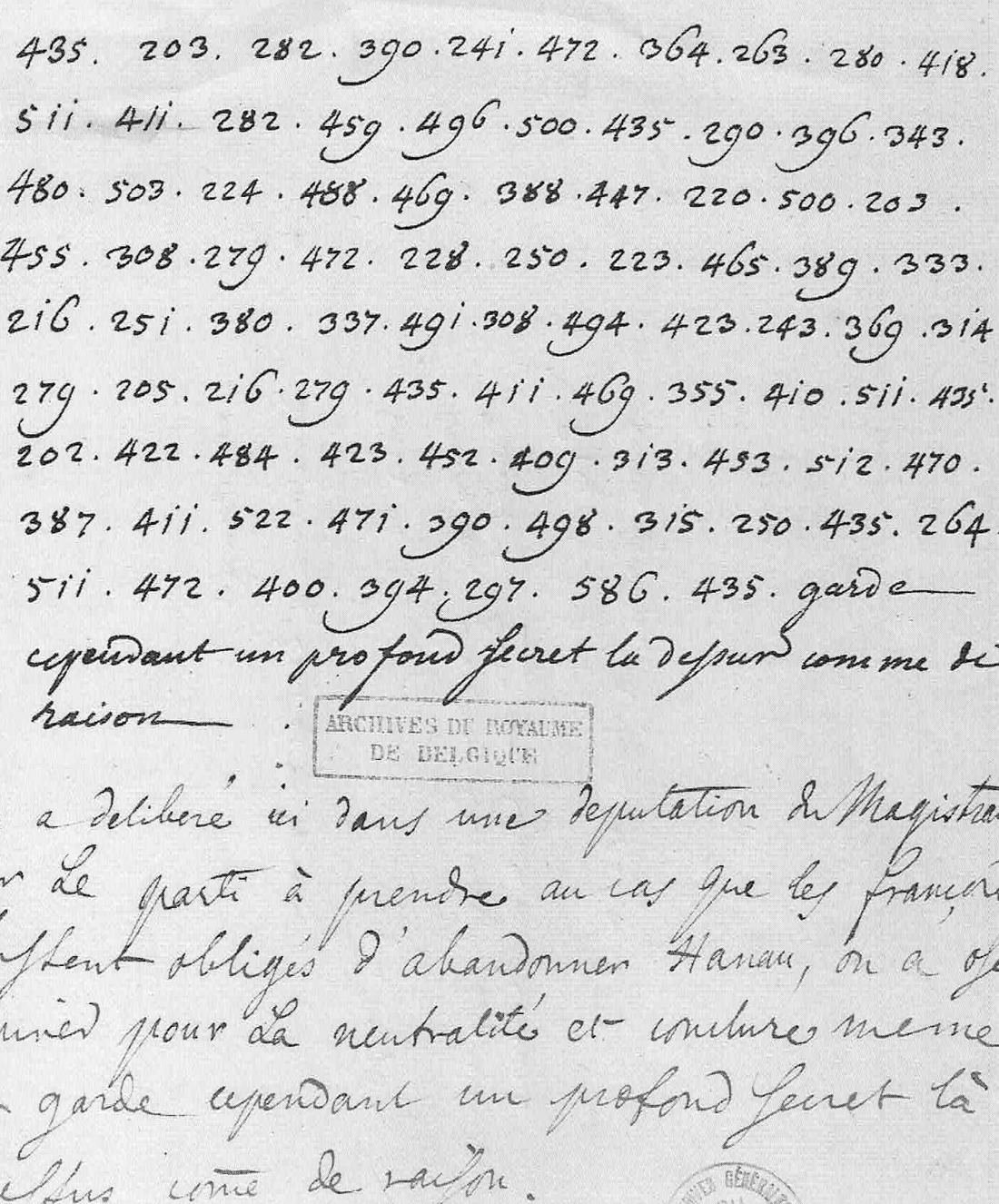
 Van Swieten from Bonn to Cobenzl, 1757–59 — key recovered from the ciphertext alone (the 1759 syllabary, 96% of the groups): Soubise’s army, the Gueldre convention, Moers write-up
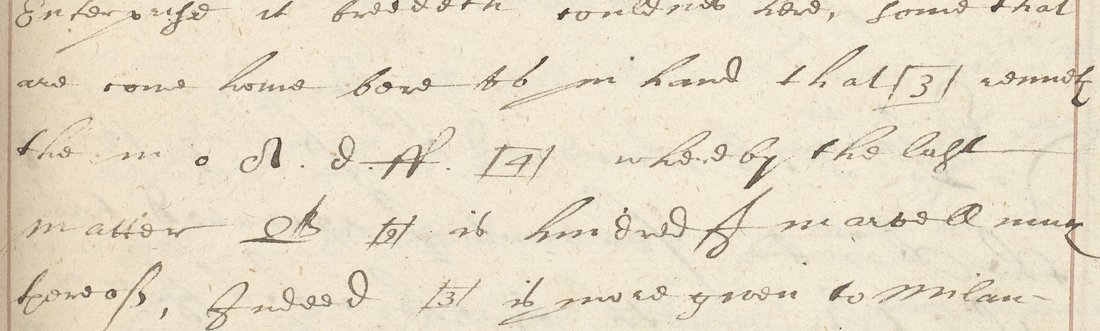 Burghley to Walsingham, 5 July 1572 — attempted, one code identified: [3] is the French King. The “unknown recipient” is Walsingham; the letter is clear and already in Digges 1655, and the other name codes need the lost key. write-up
 Sir Edward Stafford to Walsingham, 9 November 1586 — a clear letter whose one cipher word is princes, deciphered with the key rebuilt from Stafford’s sibling letters. write-up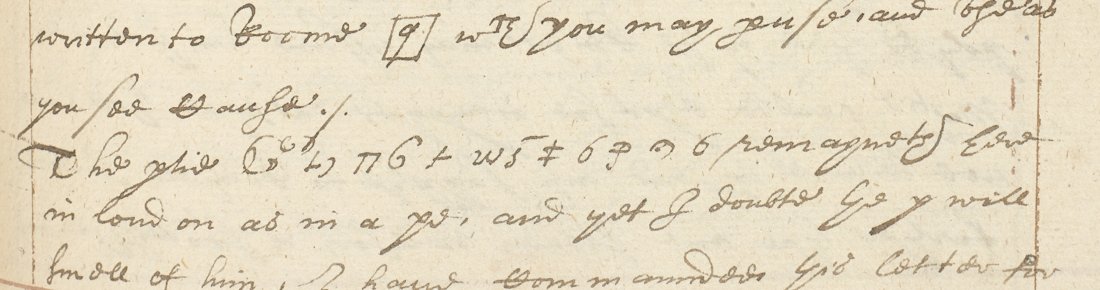
 Walsingham’s letter-book, November 1572 — attempted, one code identified: [3] is the Queen. The “unknown” DECODE letter is four clear letters of Burghley, Leicester and Walsingham, already in Digges 1655; the other name codes need the lost key. write-up
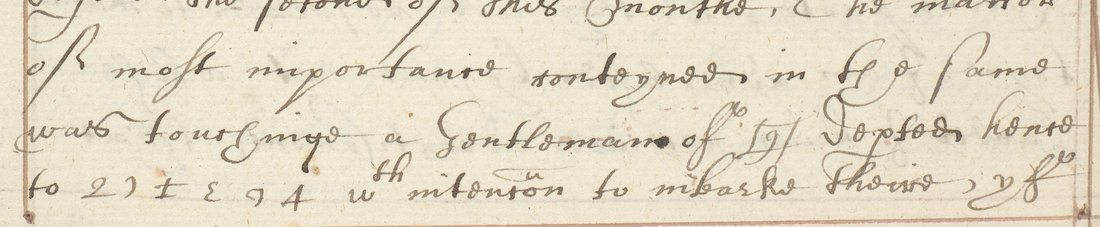 Walsingham to Burghley, 20 January 1572/3 — attempted, not deciphered: a letter-book copy, clear but for one six-symbol port name; no key survives and twelve symbols are too few. write-up
- Łaski, King John’s side and a Bavarian at Wardein → the Bavarian court, 1531–1537 — partial: three letters in the Munich key volume (DECODE R9403, R9415, R9414), deciphered 99.5%, 95.3% and 91.3% with two homophonic keys rebuilt from their glosses. write-up
- Sir Edward Stafford to Walsingham, Paris, 20 August 1586 — five postscript cipher runs with no contemporary decipherment, deciphered with Stafford’s key rebuilt from a sibling letter’s decipherment: Junius’ son from Cambrai, his credit with Balagny. write-up
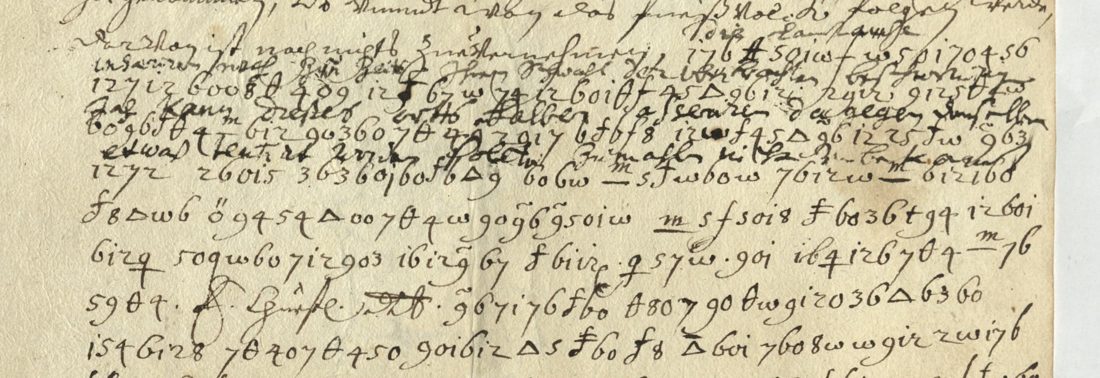 Unknown writer to Hesse-Kassel, Thirty Years’ War (Marburg, DECODE R4500) — key recovered from the ciphertext alone, ~97% of the symbols, checked against the contemporary gloss on the first lines. write-up
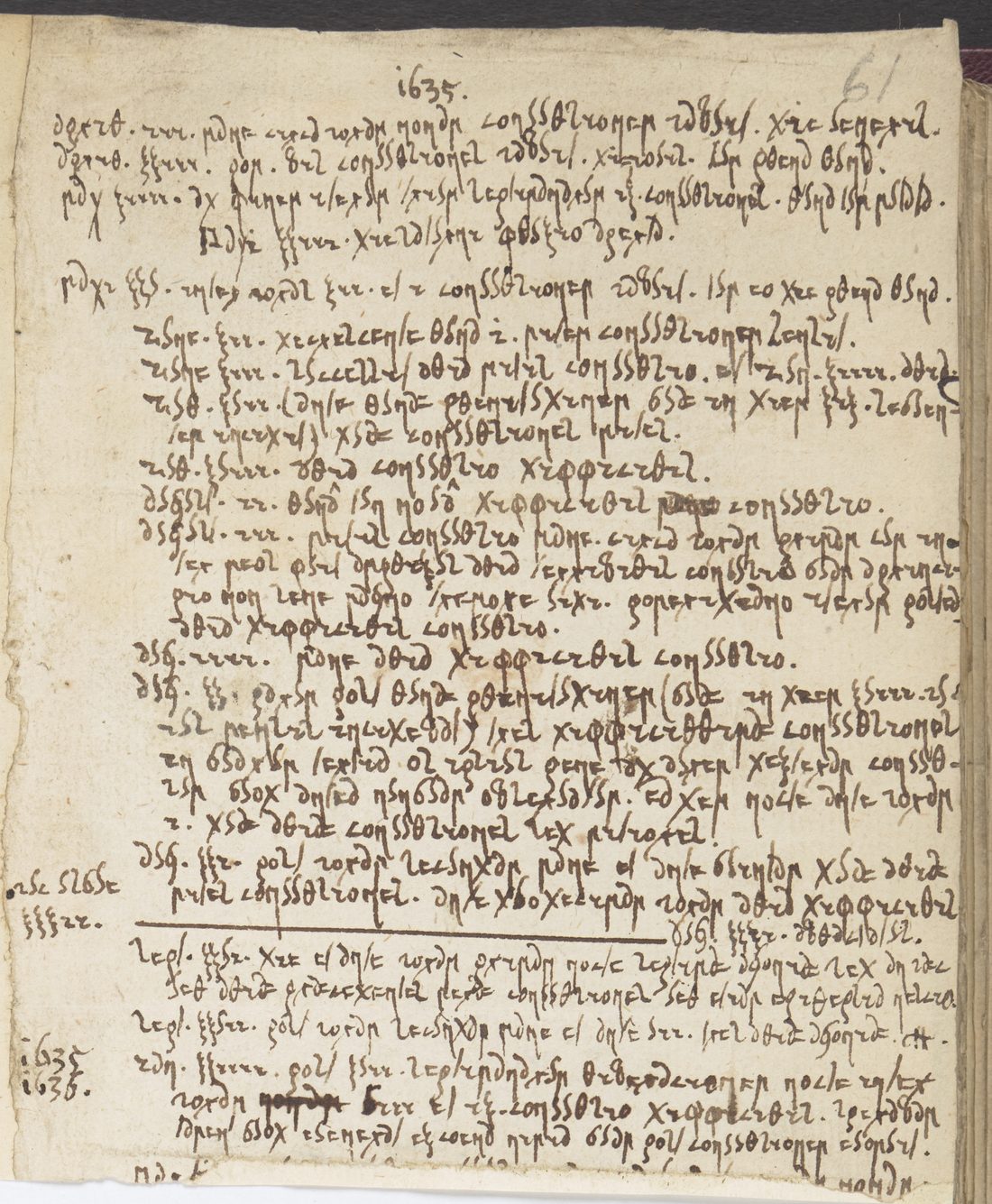 Sir Simonds D’Ewes, private cipher log, 1635–36 — key recovered from the ciphertext alone: Harley MS 286 f. 61, an “unknown sender” on DECODE, is D’Ewes’s Latin record in his invented alphabet of his infant son’s convulsion fits; key rebuilt from probable words, 96.5% deciphered. write-up
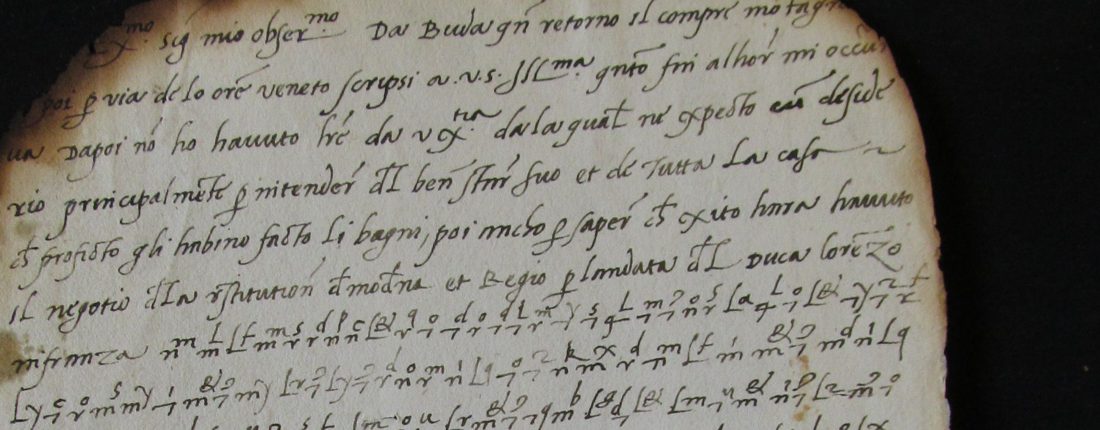 Benedetto Fantini to the Este court, Buda and Eger, 1517–18 — attempted, not deciphered: DECODE’s “Jantini” is Fantini; his two-tier cipher belongs to Caprile’s syllabic family but not to Caprile’s key. write-up
- Sebastiano Foscarini to the Doge and Senate, Escorial, 13 October 1761 — deciphered at the time: the chancery’s decipherment is written on the despatch, and was transcribed. R1875, catalogued with an unnamed sender, is the Venetian ambassador’s report on the broken-off Anglo-French talks and a coming union with “another court”; every cipher line barred out, every word deciphered. write-up
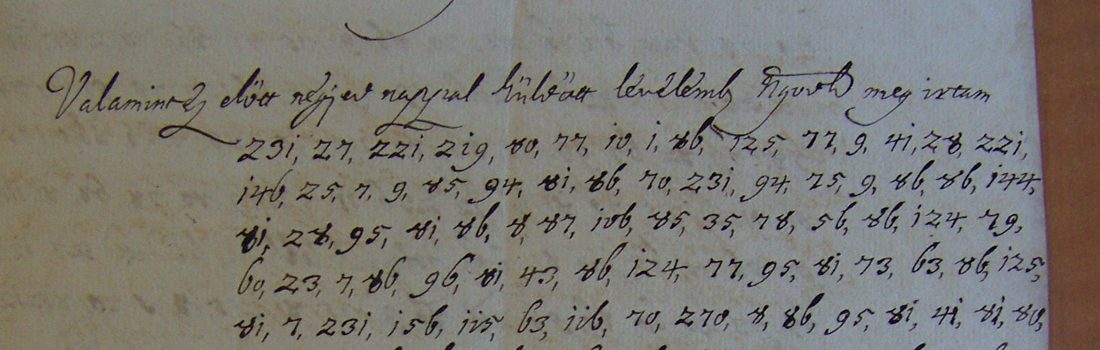 András Bay to Rákóczi, Jászvásár, 8 March 1706 — deciphered with Rákóczi’s key DECODE R609, matched to it here. DECODE R478, catalogued with no key: scoring every Rákóczi chancery key against it found the one that deciphers it unchanged: the Tsar suing Charles XII for peace and a secret from the Moldavian voivode’s interpreter. write-up
- Sir Edward Stafford to Walsingham, Paris, 19 September 1586 — deciphered at the time; transcribed and checked symbol by symbol. DECODE R8503, listed as Stafford to an unknown recipient: a clear despatch whose four glossed cipher runs warn that men of Guise’s guard were sworn to kill Navarre and Condé. write-up
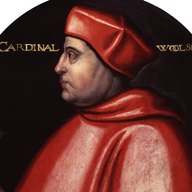 Ghinucci, Lee and Poyntz to Cardinal Wolsey, Valladolid, 17 July 1527 — deciphered by Tuke in 1527, and in print. DECODE R8565, listed as Poyntz to an unknown recipient, is the separated second part of Letters and Papers IV no. 3271; its few cipher passages offer Milan with the daughter of Portugal to the duke of Richmond. write-up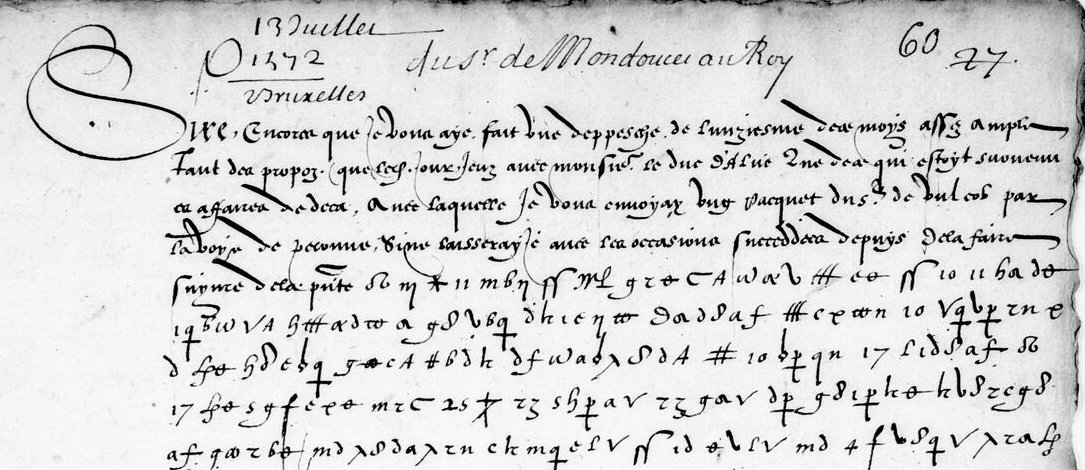
 Claude de Mondoucet to Charles IX, Antwerp, 4 January 1573 — deciphered in part, then found in print: the one 1573 cipher in BnF fr. 16127 without a Court decipherment, decoded to about 60 % with a key rebuilt from the deciphered 9 September letter (open alpha = r), then found in clear in Didier’s 1891 edition of Mondoucet’s register: Louis of Nassau’s secret retainers, English money at Hamburg, an Irish bishop kept by Alba. write-up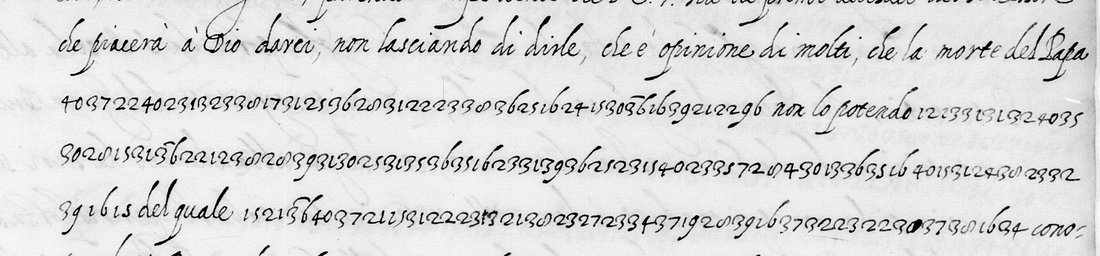
 Vincenzo Gonzaga, Duke of Mantua, to the duc de Nevers, 17 September 1590 — deciphered with the key in Nevers’s papers: the rumour that Sixtus V was poisoned by the Spaniards, and Mantua’s devotion to Henri IV. write-up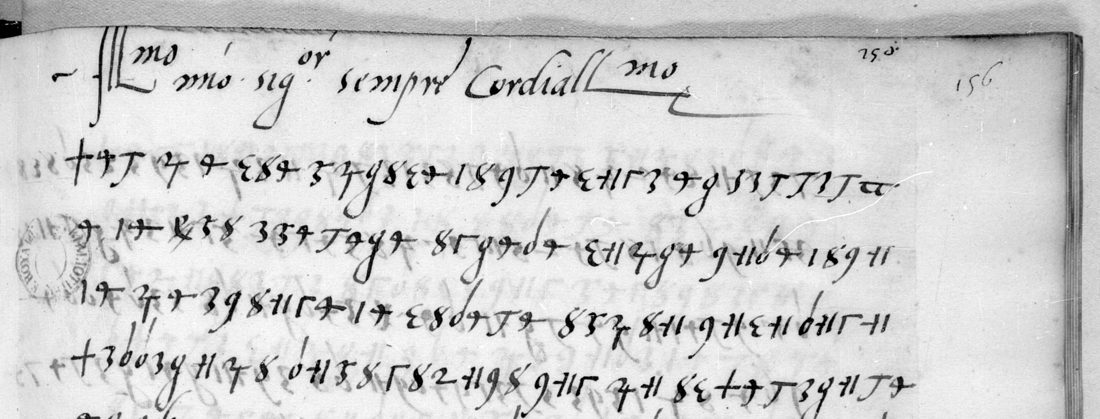
 Ambrogio Bizozola to Maximilian Sforza, Bologna, 4 November 1529 — deciphered with Lasry’s key: the Emperor’s council discussing a partition of the duchy of Milan, and an archbishop who would give it back to Maximilian. write-up
 Cardinal Campeggio to Francis I, c. 1534 — deciphered with Lasry’s key: catalogued as the French marshals in 1520, it is a papal candidate’s sworn articles for the 1534 conclave, Milan, Asti and Genoa for French votes; the second page, which Lasry had left open, deciphered with his key. write-up
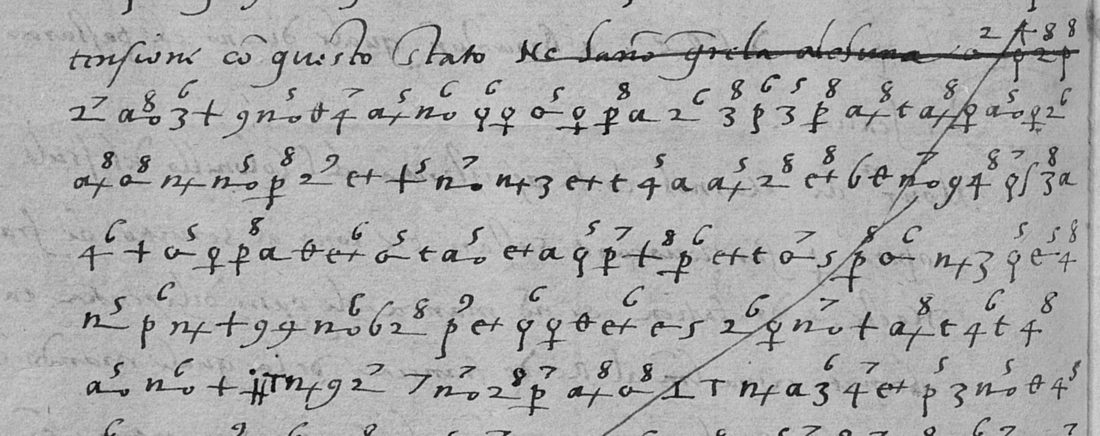 Cardinal Caracciolo to Charles V, 14 November 1537 — deciphered with Luo’s Cifrario 38 unchanged: a DECODE letter from Milan with no decipherment on the record, past the four lines Tomokiyo had given; the Swiss, the Grisons, free grain export for Como and “la malignita et perfidia”. write-up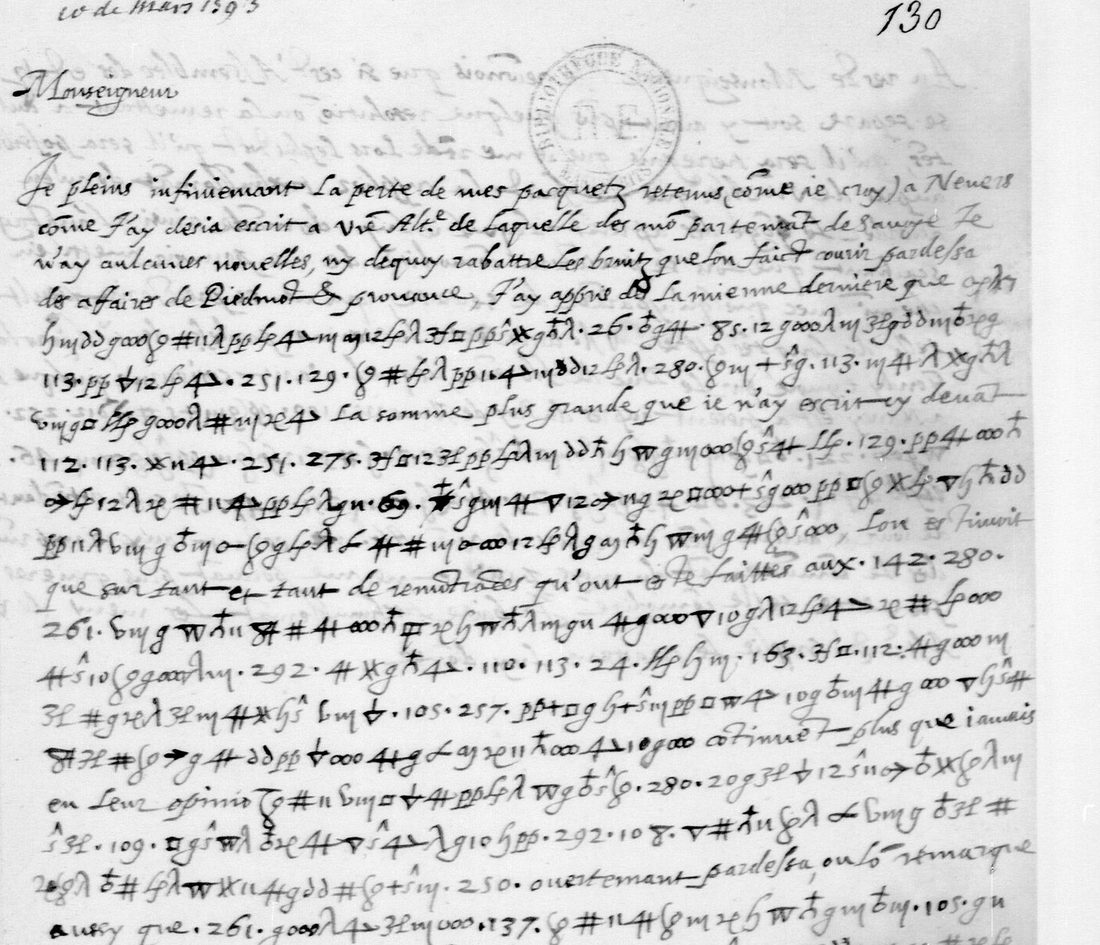
 Lebel to Charles Emmanuel I of Savoy, January–March 1593 — deciphered with Tomokiyo’s key (≈98% of enciphered tokens): three letters from the Estates of the League whose key Tomokiyo rebuilt without publishing a decipherment; Mayenne bought off by Spain, a marriage offer from the Cardinal de Bourbon, Feria’s jurist “dont l’on se mocque”. write-up
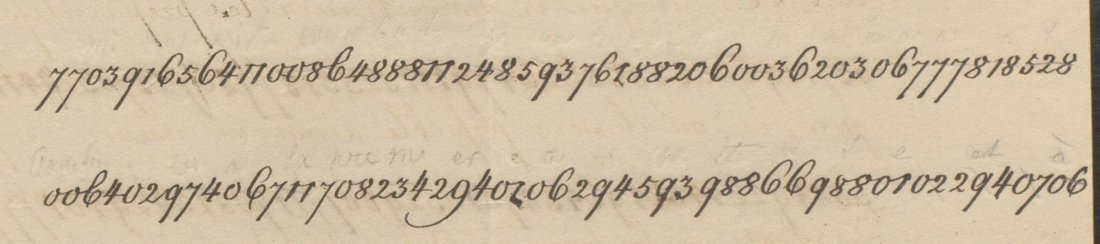 Zeschau to Seebach, 1841–1843 — attempted, not deciphered: a two-digit syllabary. The 1841 despatch was transcribed in full (3,969 digits). The rubbed pencil decipherment gives la pre m i er e and six other values, but no key survives. write-up
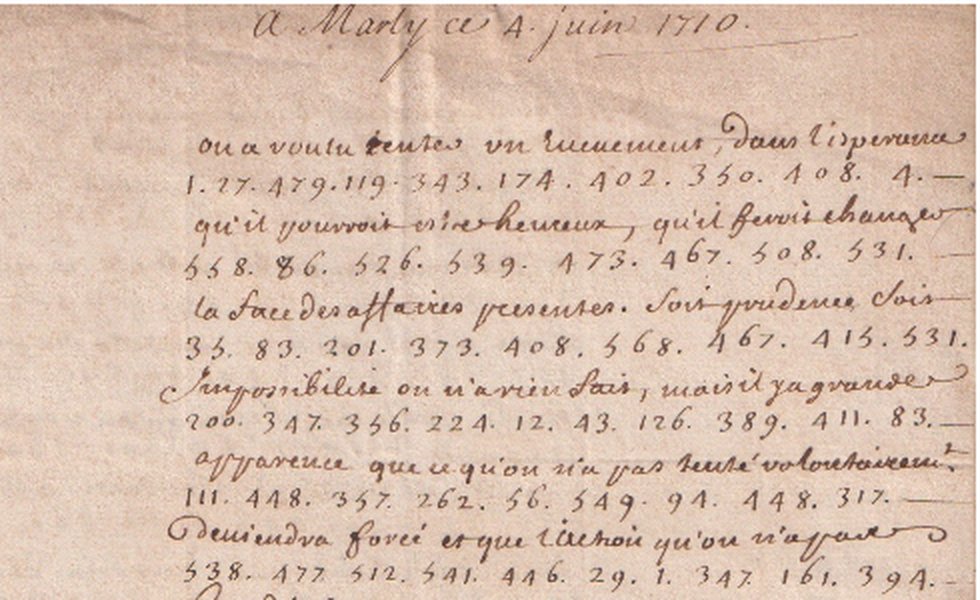 Desmarets to an unnamed correspondent, 4 June 1710 — attempted, not deciphered: the French between the lines is clear prose, unrelated to the cipher. 471 groups of a numerical code with no key online. write-up
- Mary Queen of Scots to Archbishop Hamilton, 18 January 1569 — deciphered at the time: DECODE’s nameless “Jan 1568” record is Mary at Bolton, with its contemporary decipherment bound in; the decipherment is transcribed in full. write-up
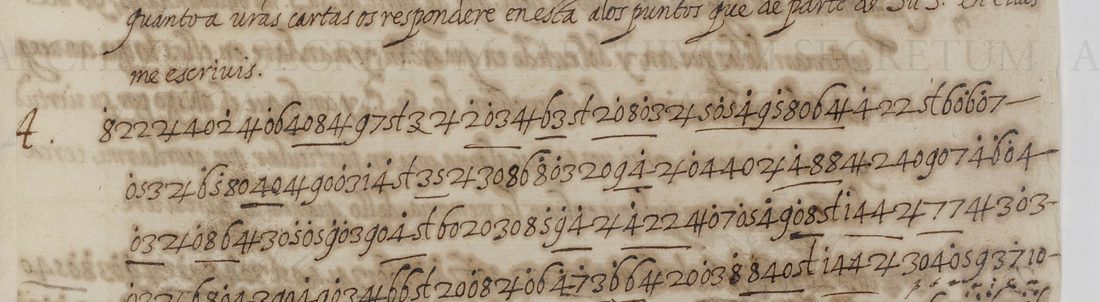
 Philip II to the nuncio Ormanetto, 1573 (ASV Segr. Stato Spagna 7) — attempted, not deciphered: the “Ormanetto 7 Jan 1573” record is the King’s letter copied for Como, with two cipher passages that five period keys do not decipher. write-up
- Łaski, King John and Bavarian agents to the Dukes of Bavaria, 1529–1583 — twelve of fourteen ciphertexts in the Munich key volume deciphered: the Fulda protest of 1576 with its own key, Łaski’s letters from their glosses, and German reports of 1534–35 on the Turks, keys recovered with a new language model of sixteenth-century German. write-up
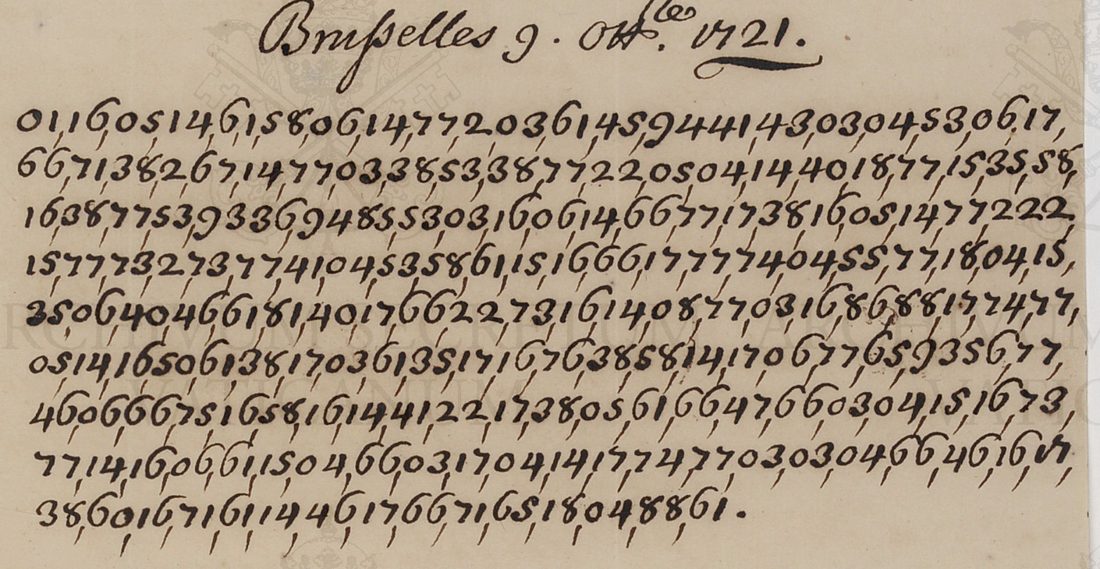 Brussels to the Cologne nunciature, 9 Oct 1721 — already deciphered by Lasry and Bonavoglia on DECODE; three values added, date and place fixed: “sopra l’affare di Colonia”. write-up
 Throckmorton to Elizabeth, Paris, 10 July 1559 — partial: an unprinted letter on the leaf Tomokiyo flagged for its unidentified margin, deciphered at about 85–90% with his Cipher 1; the margin word code and John Wood’s 1568 line cannot be decoded without their originals. write-up
 Thomas Randolph to the Earl of Sussex, 5 July 1570 — deciphered at the time: a crib attack from Boyd’s abstract recovered 70% of the cipher, then the next leaf proved to be its contemporary decipherment; the Scottish Queen’s party distrusts Elizabeth, “that so ofte changeth her course”. write-up
 Francis Needham to Walsingham, before Sluys, 28 July 1587 — key recovered from four glossed words: the bare pigpen runs of Harley MS 287 f. 39v; Parma’s chained boom of hoys and flyboats across the channel. write-up
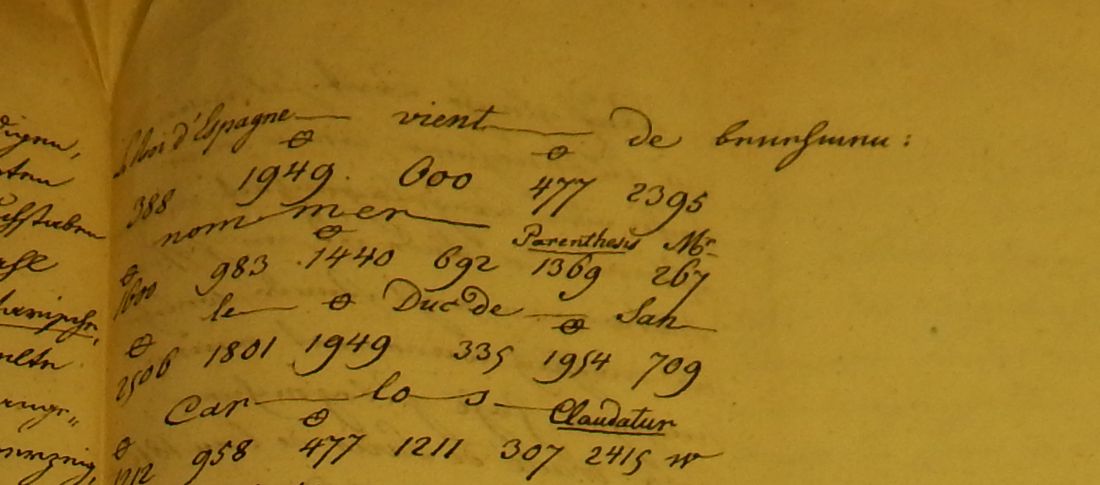 W. Loeschner, Vienna, 1 July 1816 (DECODE R2227) — not a cipher: the “ciphered letter” is a memorandum on the Staatskanzlei cipher instruction, with glossed examples. write-up
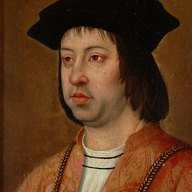 Gonzalo Fernández de Córdoba to Lorenzo Suárez, 17 August 1500 (BnF Espagnol 318 no. 92) — both pages deciphered in part with the Cifra general de los Reyes Católicos: the Great Captain’s price for joining Venice against the Turk, harbours in Italy for his sick and wounded. write-up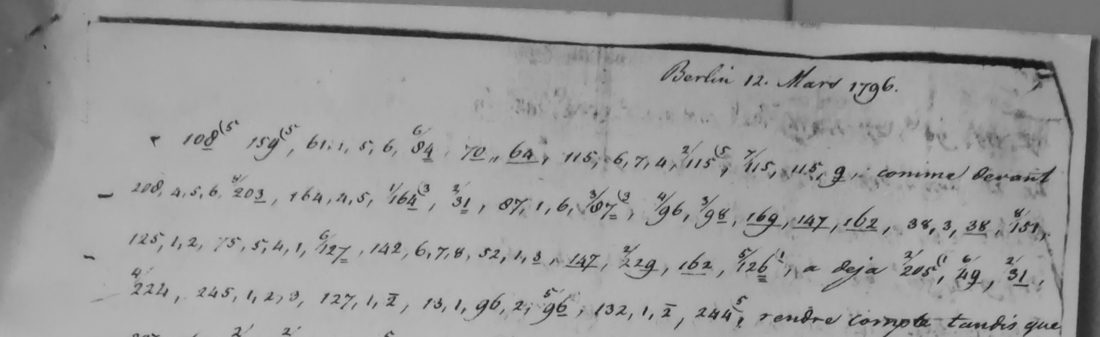
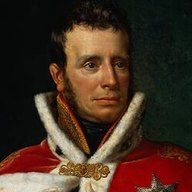 The Hereditary Prince to Prince Frederik, Berlin, 12 March 1796 — key recovered from a sibling’s decipherment: DECODE R2239, listed with no decipherment, is a word-list code. Haugwitz and Lord Elgin on a Prussian démarche in Paris for the Orange restoration; the opening paragraph, missing from Colenbrander’s 1906 print, is deciphered. write-up
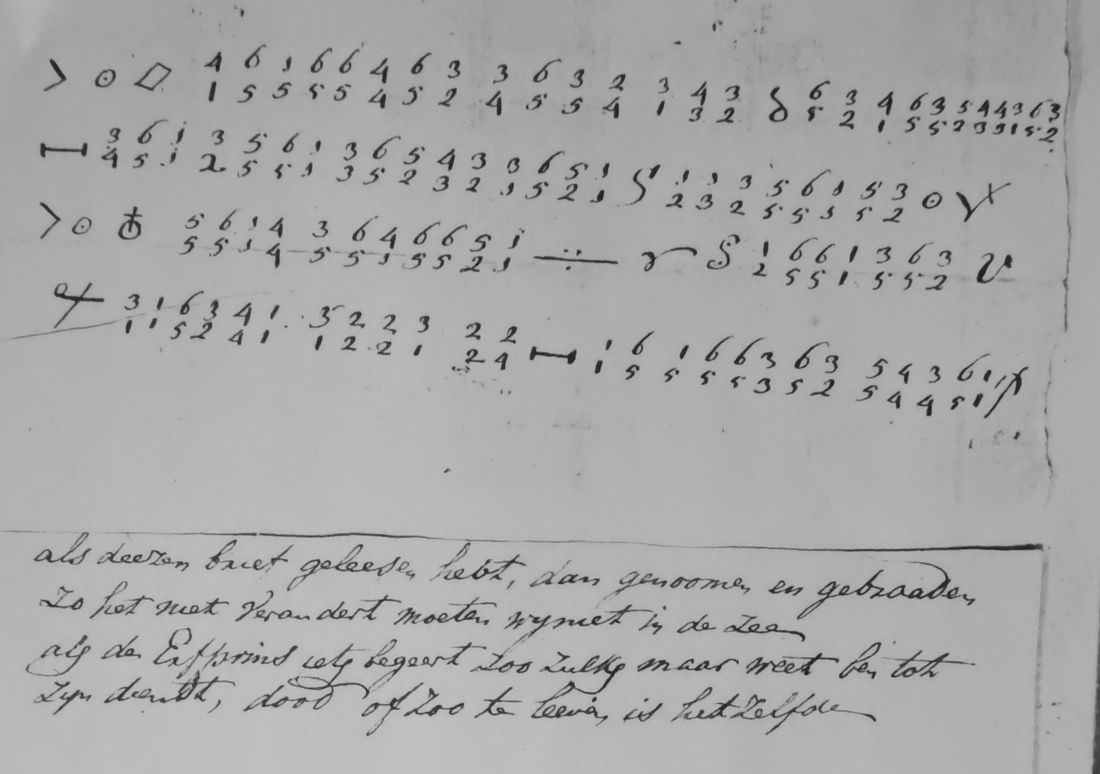 Prince Frederick of Orange to the Hereditary Prince, 7 May 1795 — deciphered in part with the R1892 digit-pair key, unchanged: DECODE R2242 was listed with no decipherment. The scattered émigré troops, the Basel ratification, envoys to Paris. write-up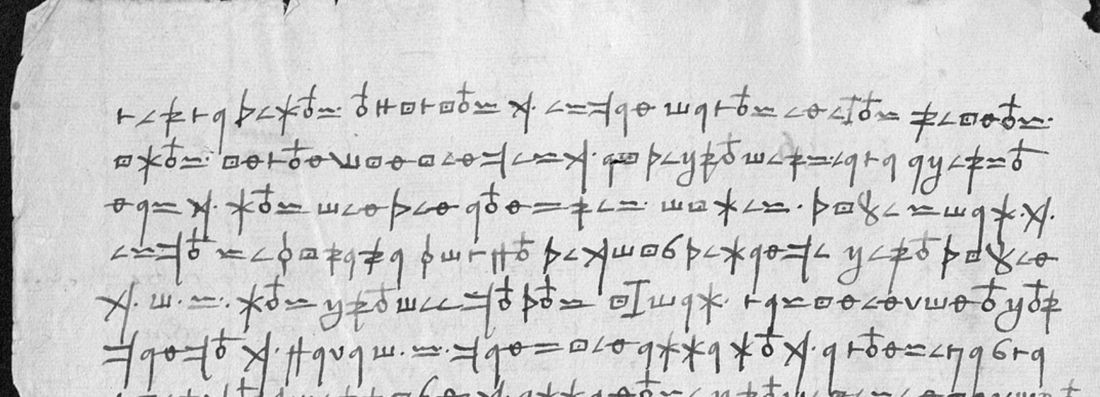
 Diego López de Ayala to Cardinal Cisneros, 30 August 1516 — deciphered with Tomokiyo’s key for its sibling, then found printed in 1875: a DECODE letter with no decipherment on the record; offices and Chièvres, Queen Germaine, the peace of Noyon, the King’s departure. write-up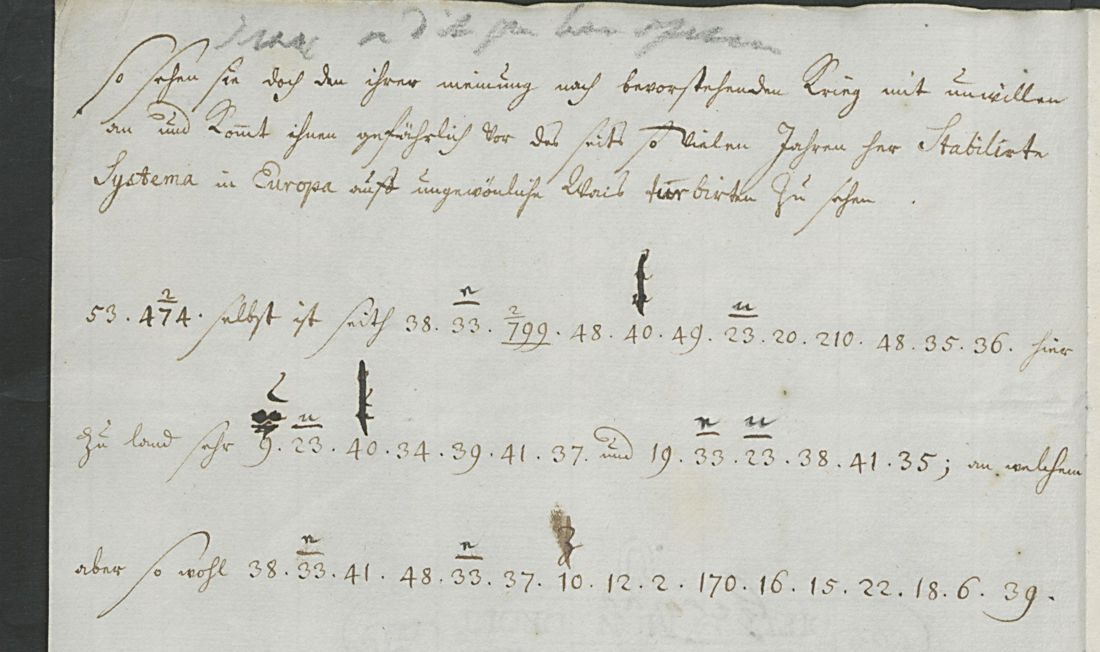
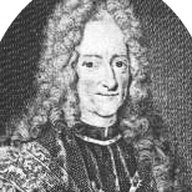 Palm to Starhemberg, 1727 — attempted, not deciphered: too little ciphertext to recover the key from. A German letter of the Emperor’s London resident, mostly clear, with fourteen passages in a homophonic cipher; the second record holds only a worksheet. write-up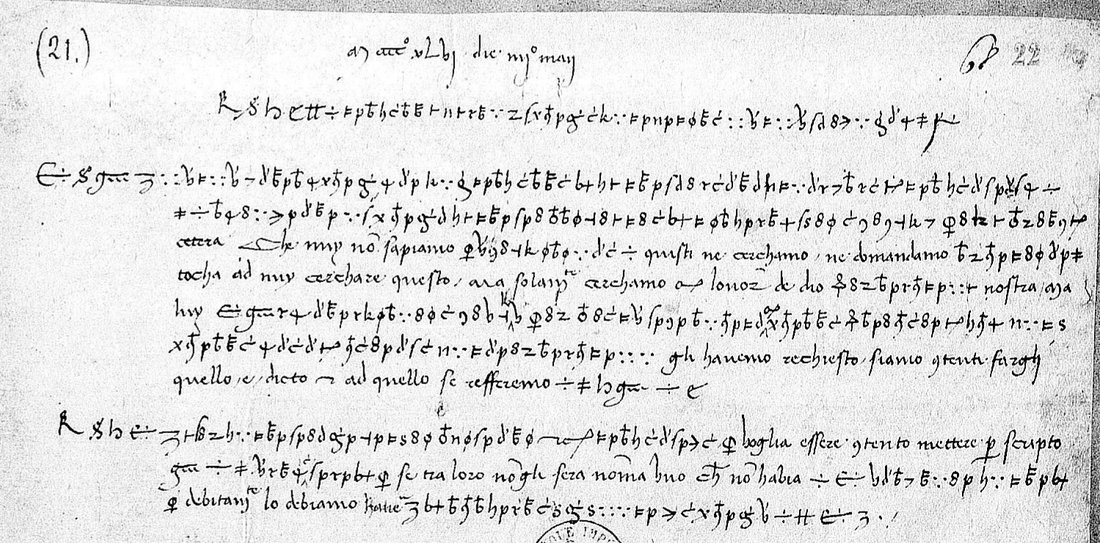
 Sforza side to Zorzo Maino, 4 May 1446 — attempted, not deciphered: an undescribed DECODE slip identified as a reply to Sforza’s agent at Milan, a same-day sibling found, and the Sforza keys on DECODE scanned without a match. write-up
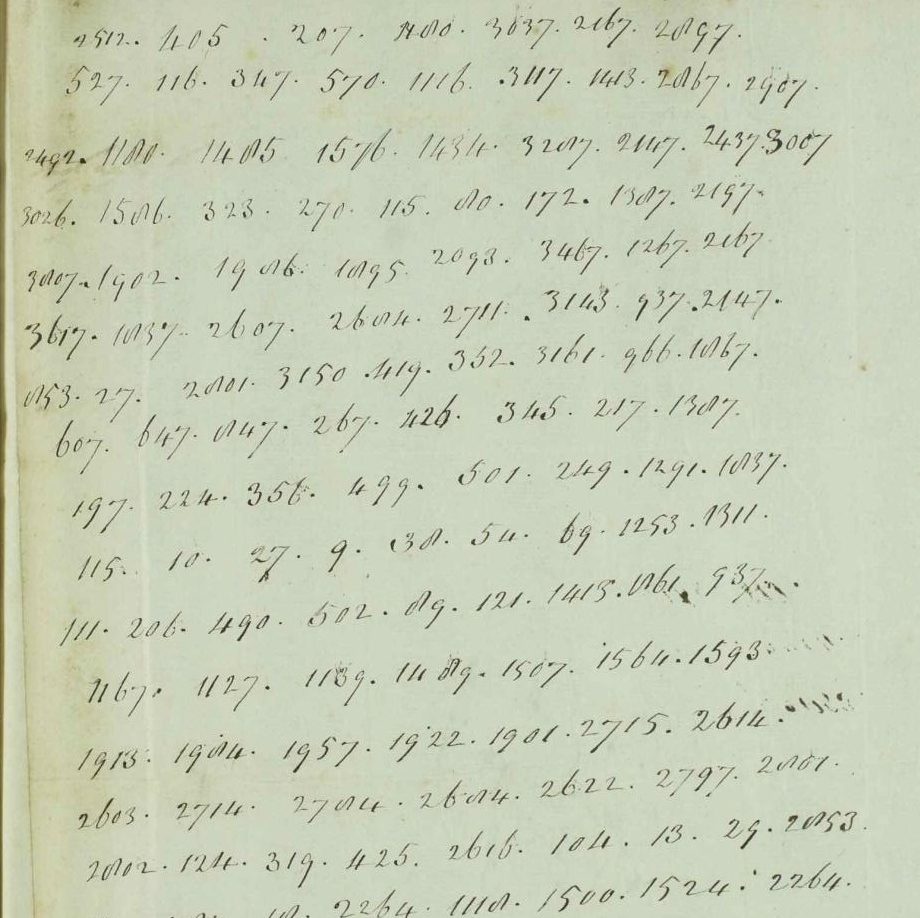 Mr Eichel’s cipher sheet, SP 106/7, 1758 — no message: every group a null or a blank key cell. Key R596’s own rule (any number with a 7, four ranges) voids 117 of 139 groups; 21 of the other 22 are empty cells of its table. write-up
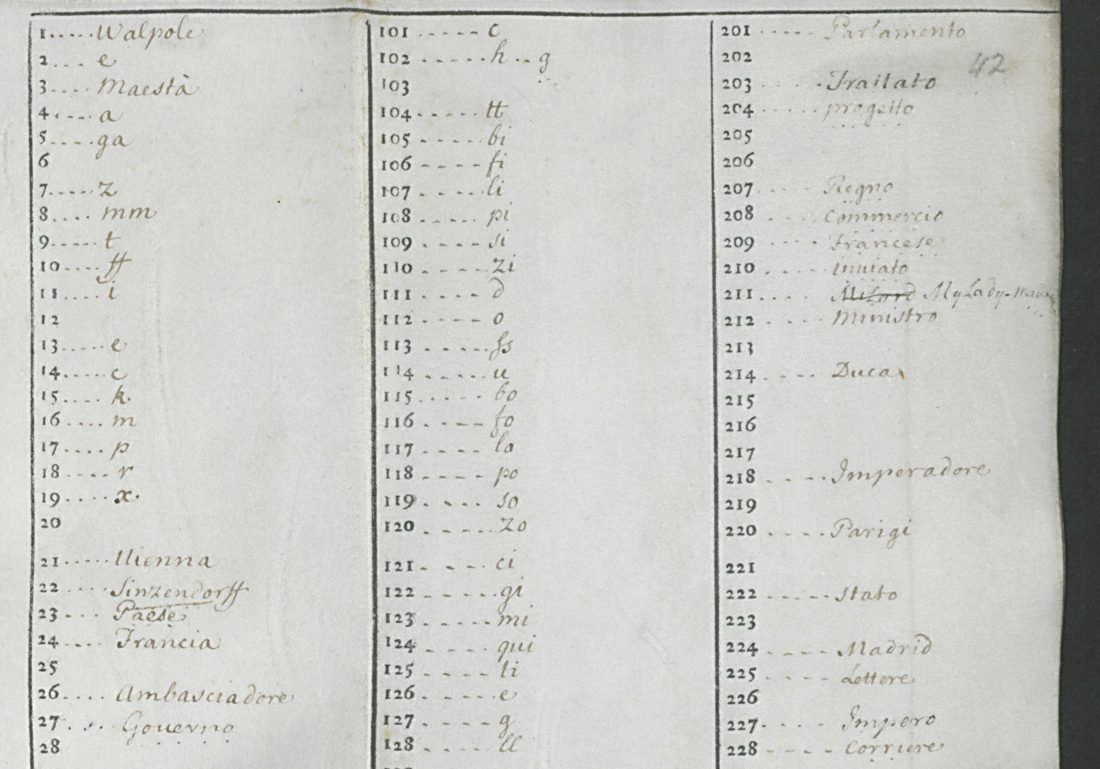 Count Visconti (Brussels) with Marquis Visconti (London), 1727 — not a letter: the key. Catalogued as a ciphered letter, Add MS 32270 f. 42 is the Deciphering Branch’s rebuilt Italian nomenclator, 193 of 300 places filled. write-up
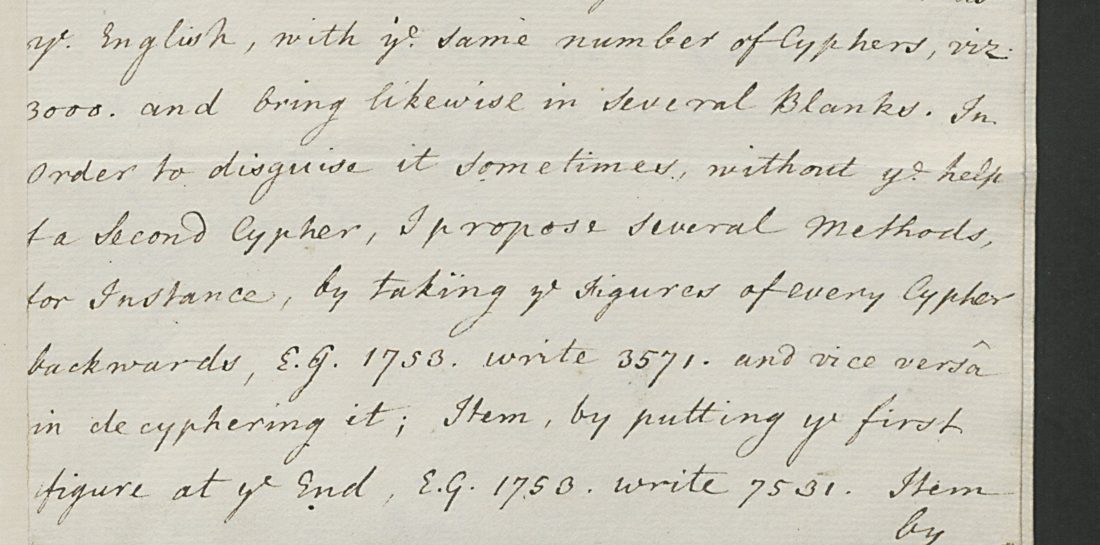 Schaeblin to Mr Jones, The Hague, 16 Jan 1753 — not a cipher: a clear letter about making one. DECODE’s “Jones to Schaeblin” nomenclator runs the other way and is in plain English: a new French cipher of 3000 numbers, disguised by reversing figures. write-up
 Alvise Mocenigo to the Doge and Senate, Madrid, 26 October 1628 — deciphered at the time: the chancery’s decipherment is in the same DECODE record and was transcribed. R1874, catalogued as undated with sender and recipient unknown, is the Venetian ambassador’s despatch on Spinola, Olivares and Cottington’s cancelled journey (CSP Venice 21 no. 515); the numerical syllabic key was not rebuilt. write-up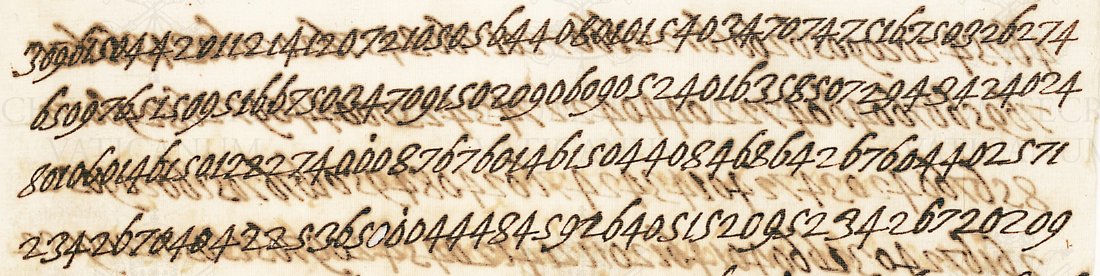
 Cardinal Alessandrino to the nuncio in Spain, 1567 — deciphered with Lasry’s key for 1568: six ciphers catalogued as from an unknown sender, identified from the archive’s volume description: Philip II’s journey to Flanders, Borromeo and the Milan senate, the archbishop of Cologne, and advice to imprison Montmorency in the second French war. write-up
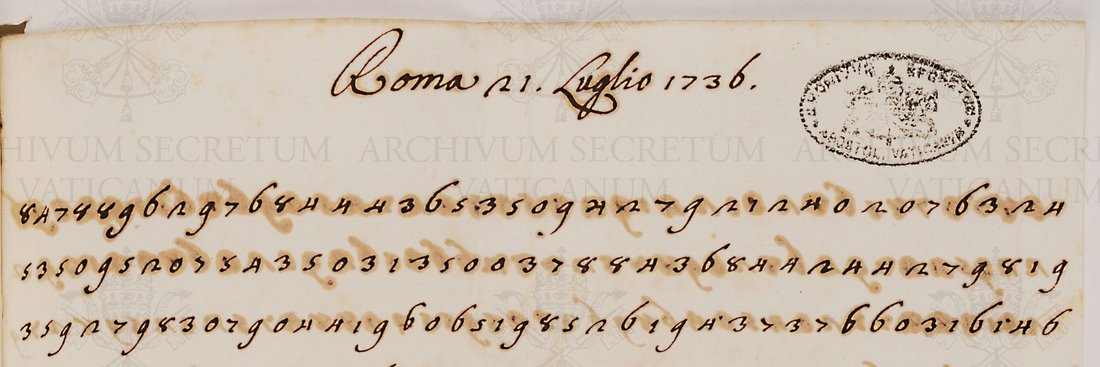 The Secretariat of State to the Nunciature in Spain, Rome to Madrid, 1736 — already decrypted by Lasry; 46 of its code words recovered: eleven despatches of the 1736 rupture over Spanish recruiting (ASV Segr. Stato Spagna 423, DECODE R179–R188) carry Lasry’s 2020 key and decipherment, but none of the 166 nomenclator groups had a value; 46 are fixed here from context, 90.6 → 95.3 per cent deciphered. write-up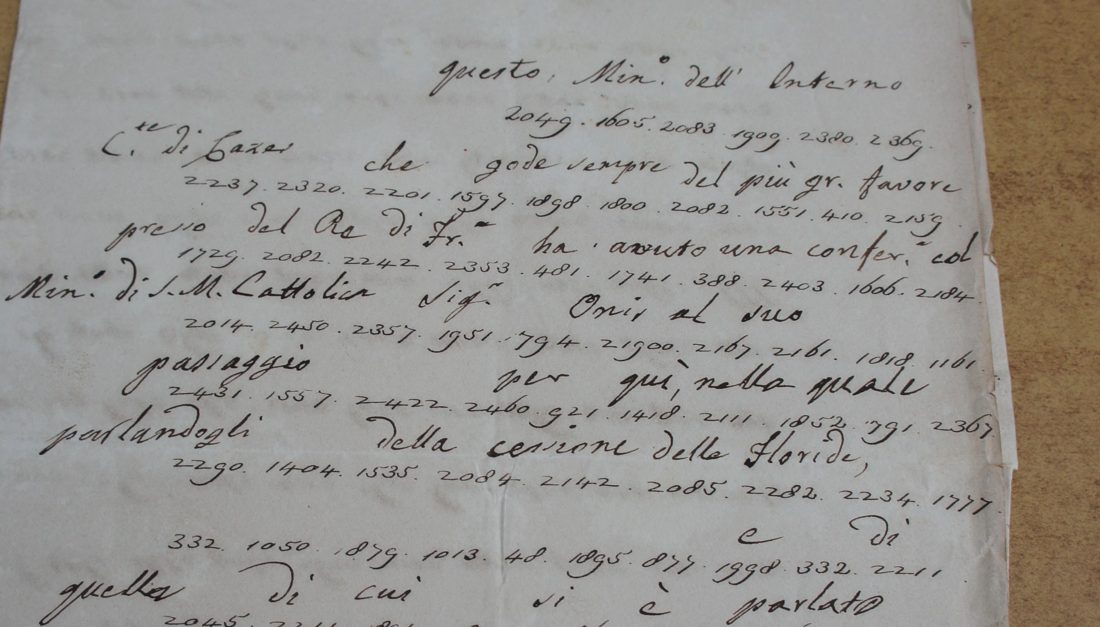
 Castelcicala to the Marchese di Circello and to Medici, 1816–1823 — partial: the code rebuilt from the contemporary decipherments on four letters. Twenty-four despatches of the Neapolitan ambassador, catalogued as two entries, are one series in one syllabic, homophonic code of 2,450 groups; “Ciscello” is the recipient Circello misread. Contemporary decipherments on four letters (Decazes and the Floridas, 1816; the 1823 conclave) gave 162 values and 45% of the groups. write-up
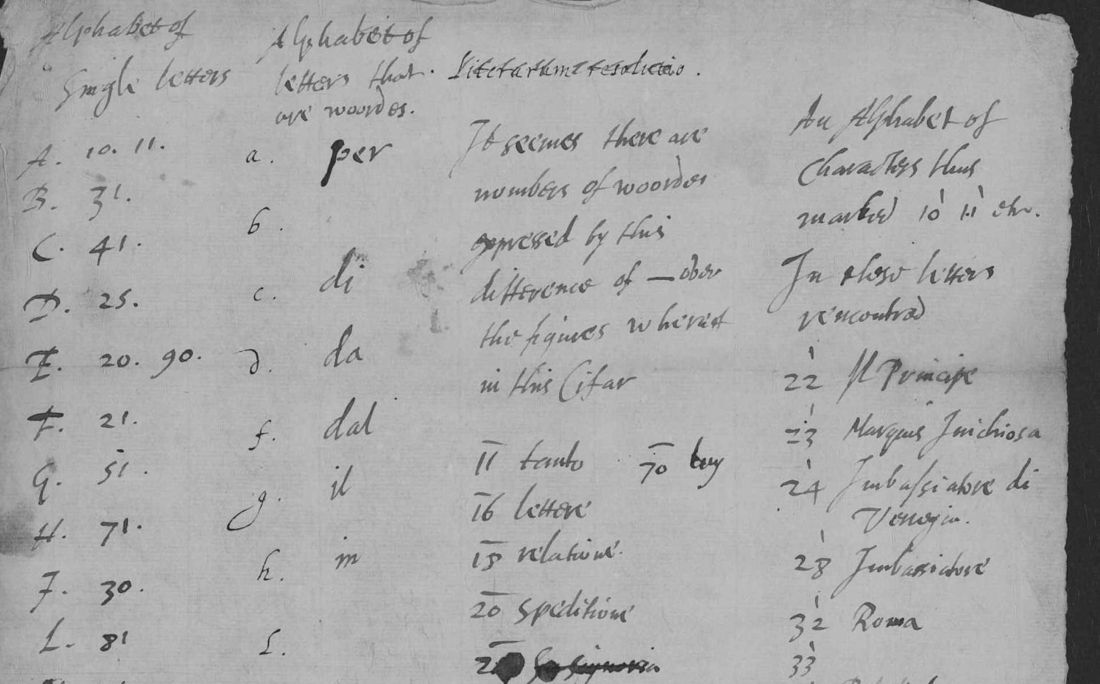 The SP 106/10 codebreaker’s own table of “the Venetian Cifer”, c. 1623–24 — seven more “anonymous ciphertexts” (catalogue 62) are his worksheets; his count grid R658 rebuilds the three-figure code of R664/R660 as a systematic syllabary, checked on his glossed strings (46/46 groups) and correcting four earlier values. write-up
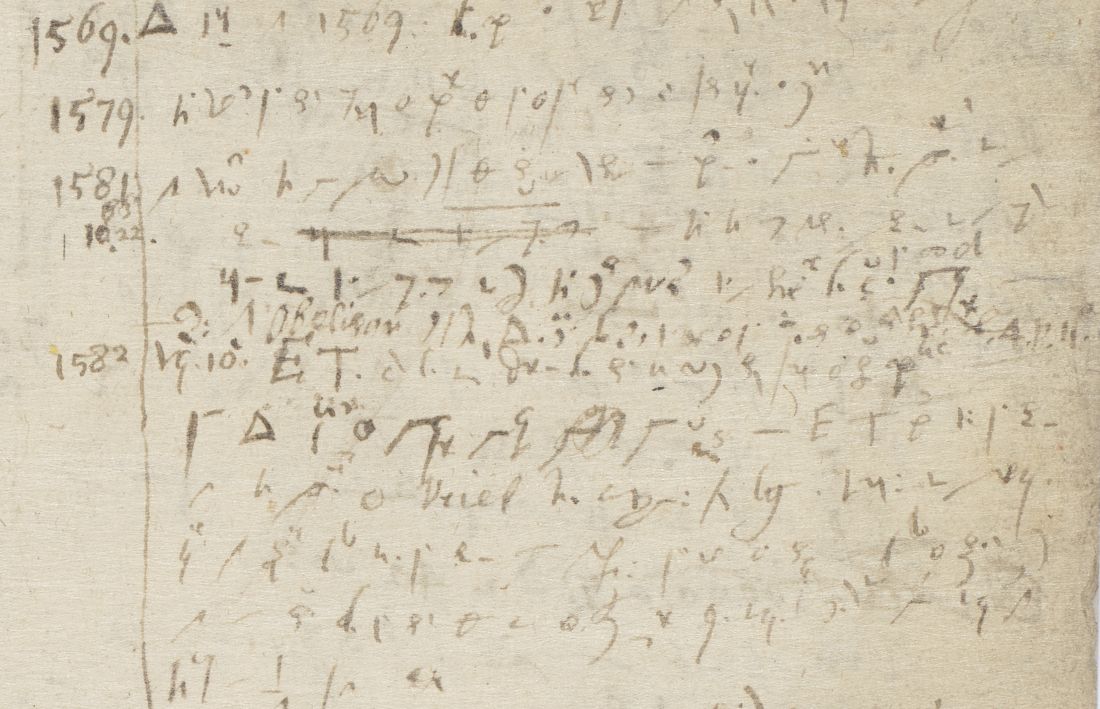 Sloane MS 3188 ff. 109–169, “unknown sender to unknown recipient” — not a cipher: 25 DECODE “ciphertexts” are shorthand notes on John Dee’s spirit diaries and writings. write-up
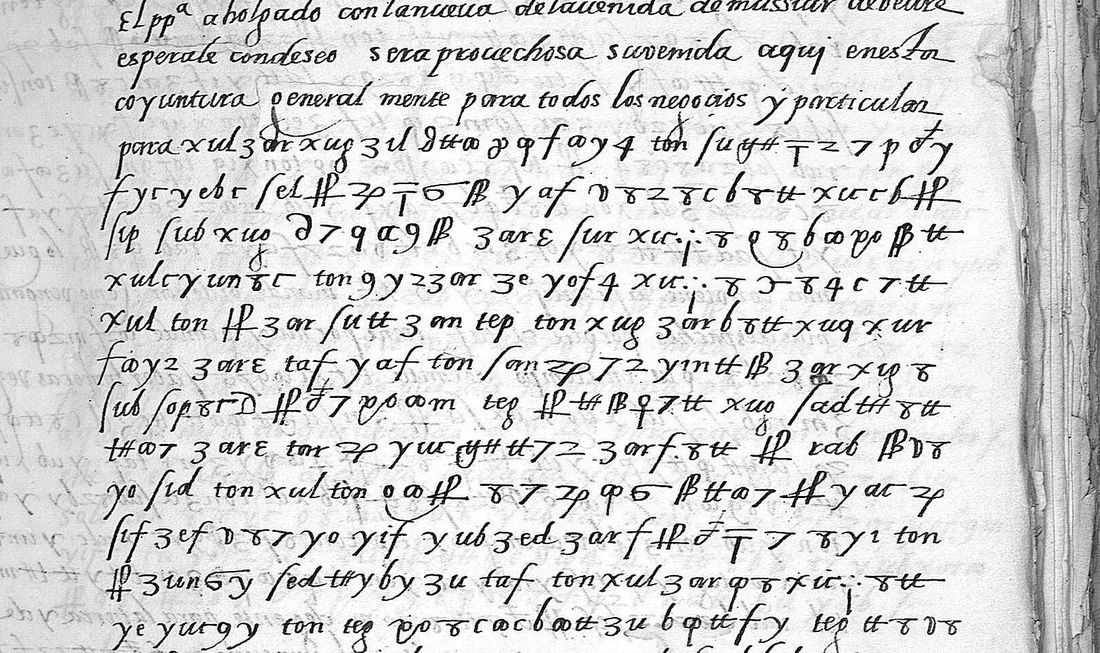 Lope Hurtado de Mendoza at Rome to Charles V and Gattinara, May 1523 – March 1524 — key rebuilt from a contemporary clear, six letters deciphered in part: eight DECODE records with no decipherment; two were calendared by Bergenroth, and the changed key comes from the clerk’s clear bound with the letter of 5 February 1524. Beaurain’s mission, a Pope who wants France ruined or a truce, an agent unpaid. write-up
- SP 106/10 worksheets, R703, 1623–24 — explained, not deciphered: a worksheet, one of seven records on a lost letter in the codebreaker’s “Venetian Cifar”, with his partial key found on R701. write-up
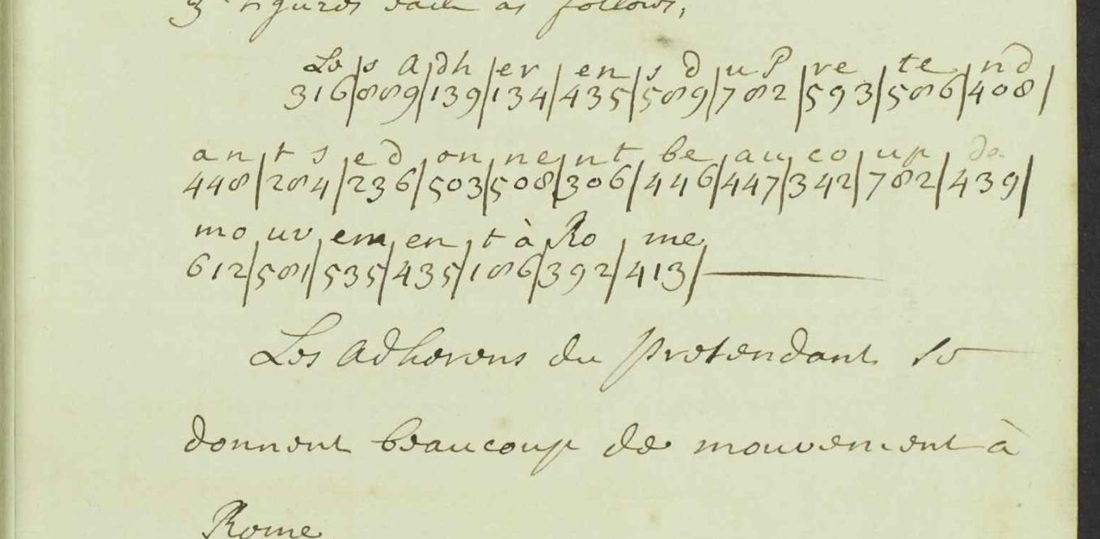 Stosch–Walton cipher instructions, SP 106/7, c. 1731 — not a letter: an instruction sheet, transcribed in full. The lines DECODE lists as open are the worked example run together; two keys, 371 to switch, nulls above 900. write-up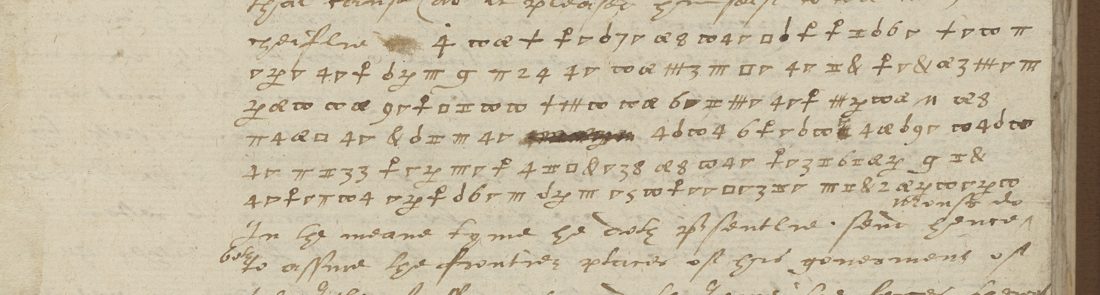
 “Lord Threr?”, Stowe MS 166, 1593–94 — partial, key recovered from the ciphertext alone: despatches to Burghley from Henri IV’s camp. The simple substitution in signs was recovered from probable words (the, of, to), and the King says “that his faith is not vendible”. Butler had printed five of the six deciphered in 1913, found afterwards. write-up
- “Frederic, Re di Prussia”, Blenheim Papers Add MS 61575 f. 95 — not a cipher: the DECODE “numerical cipher” is a plain French thank-you note for lessons in writing in cipher. write-up
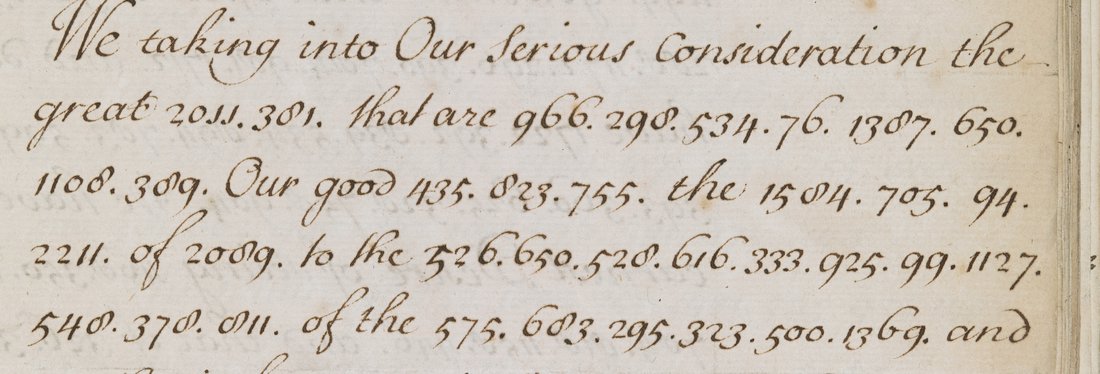
 Queen Anne to the Earl of Peterborough, 22 February 1712 — ciphered instructions with no decipherment on DECODE, matched run by run to the text printed in 1798: not the Turin embassy but a secret errand to keep the Electoral Prince of Saxony Protestant, and to rescue him if he wished. write-up
 Thomas Spinelly to Henry VIII, Brussels, 1 Feb 1517 — key recovered from a clear-text crib for five cipher lines in a DECODE record with no decipherment: the King’s entry into Brussels and the Emperor to Cambrai about the 15th. write-up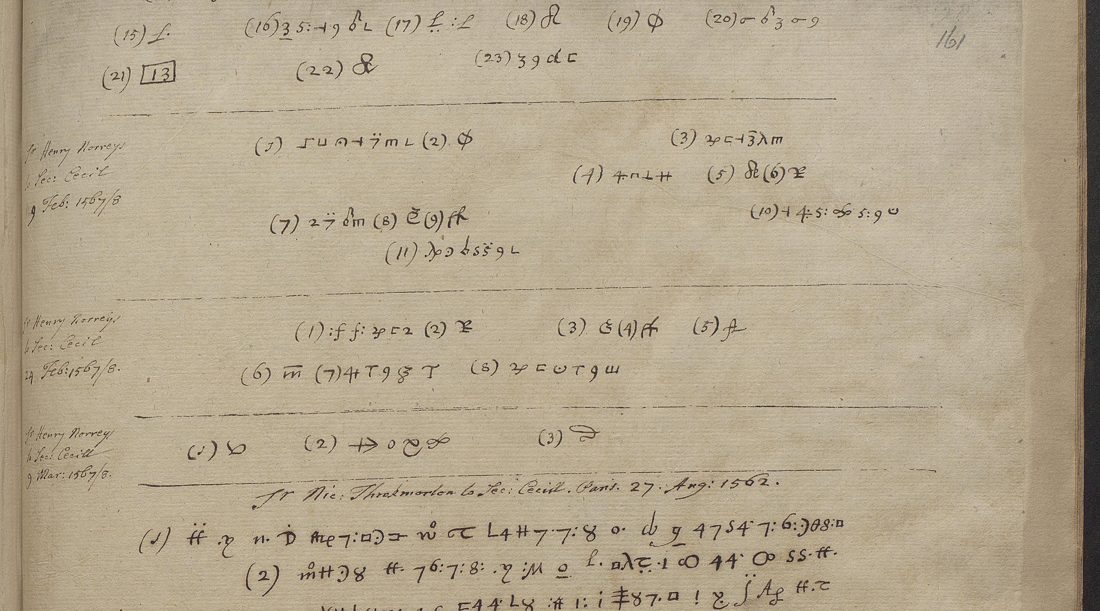
 Sir Henry Norreys to Cecil, Paris, 1567–68 (DECODE R9251) — deciphered in part with the Cecil–Norris key Tomokiyo rebuilt from Cabala. Forbes copied only the ciphered words; they come out as “demaund”, “ruin”, “remain”, “Master Stewarde”, “the lord of Murrei”, as the Calendar summarises the letters; a shuffle control confirms the table. The 9 March 1568 letter: the French King, the Queen of Scots?, and one word open. Write-up.
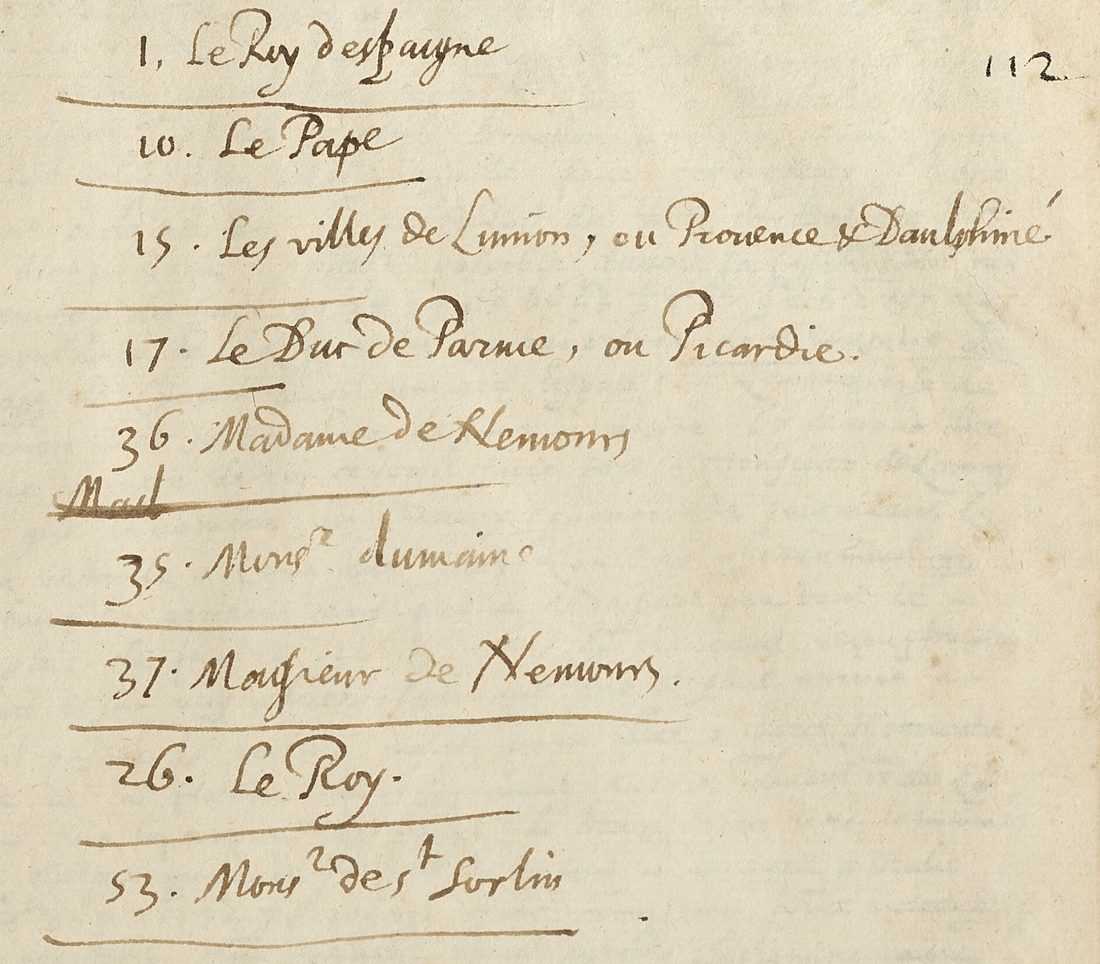 Champagne news-letters to the duc de Nevers, 1590–91 — partial: one letter carries its own name key; three share a two-digit alphabet in alphabetical order, rebuilt from a few interlinear glosses (contre la ligue); updated 29 Sept: Laurière’s 1593 letter deciphered in full with his own key sheet, Nevers key no. 57, found by setsunaatto (vous estes necessaire pres du Roy) … write-up
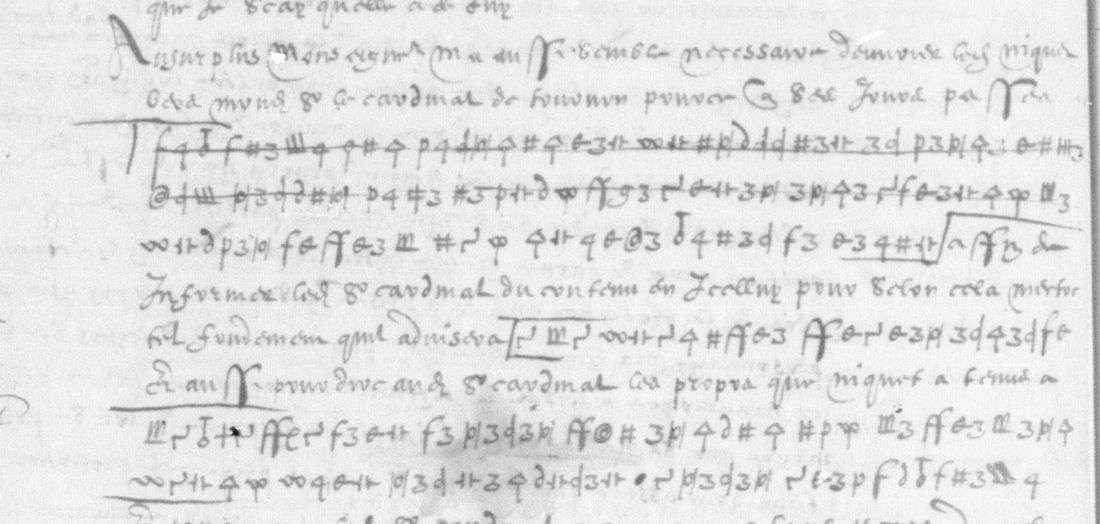 La Guiche (Rome) to Montmorency, 22 November 1551 — a symbol cipher with no decipherment; key recovered from the ciphertext alone, partial. 22 invented symbols, key found by a solver (simulated annealing): the Count of Santa Fiora « mal satisfaict » and ready to serve the king. write-up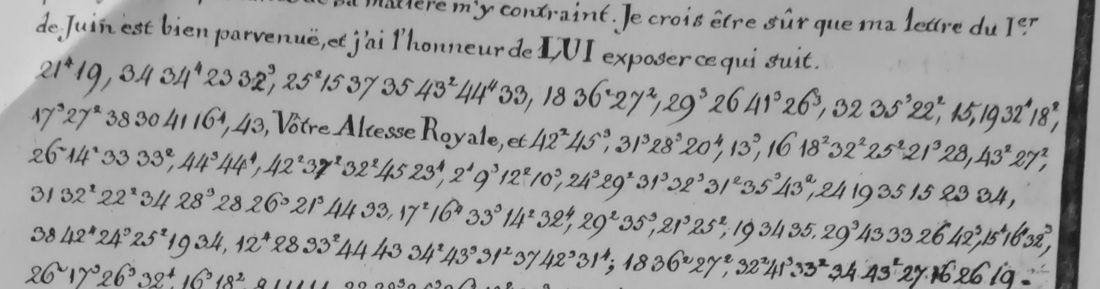
 Wolff to Princess Wilhelmina, 25 July 1801 — deciphered with a known key: R2232, listed on DECODE with no decipherment, is deciphered by the key Wolff sent six weeks later (R2233): a 1798 plan for landings at Le Havre and in Holland, 39 months in prison, a plea for British half-pay. write-up
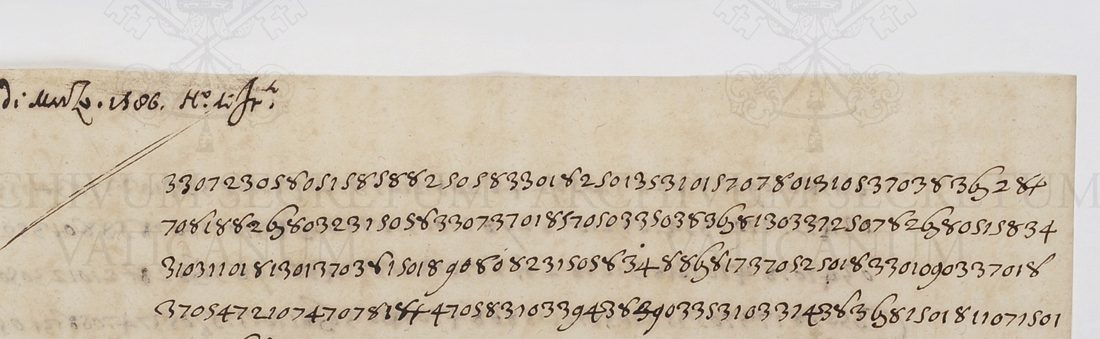 Paris nunciature to the Secretariat, 1586–87 — two despatches deciphered DECODE showed R16 as decrypted, but its decryption was another letter’s; with Lasry’s key and Meister’s 1906 tables it reports Guise’s price for the sale of church property, Metz and money. write-up
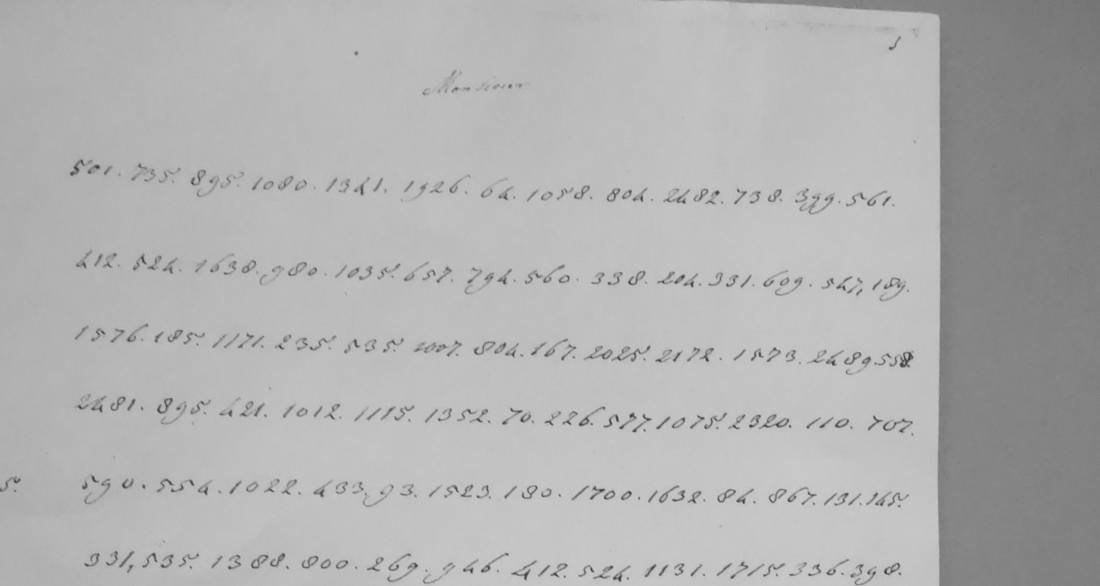 Roell to Van Dedem, 9 February 1809 — attempted, not deciphered: no key survives online. Two unsigned letters for the Constantinople legation, 2,585 groups of a heavily homophonic code unrelated to the 1788–93 Dedem code. write-up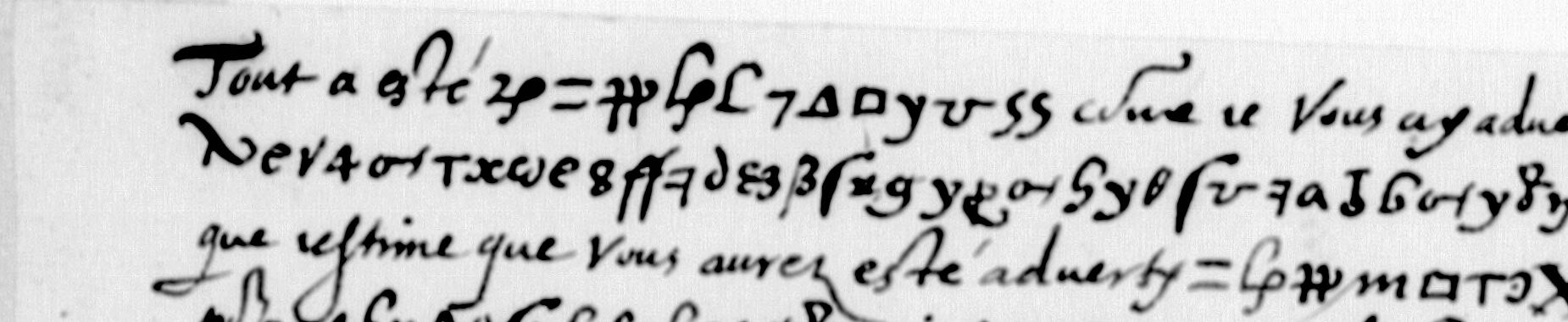
 “MR” to the Duke of Mercœur, 26 June [1586] — attempted, not deciphered: Lasry’s key for fr. 15564 does not fit; 217 symbols are too few for a ciphertext-only break. write-up
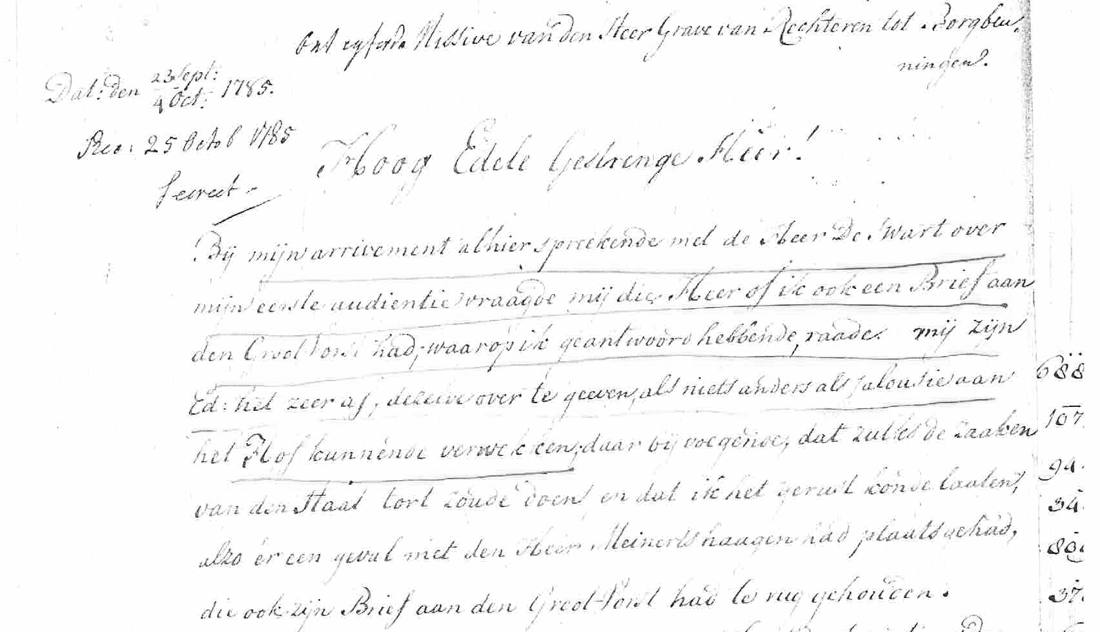 Rechteren to the Griffier, St Petersburg, 4 Oct 1785 — deciphered at the time: the decipherment is on the DECODE record. R1039’s first two images, taken for cleartext, are the “Ont cyfferde Missive”: the new envoy withheld his letter to Grand Duke Paul and, sure his post was opened, asked for couriers. write-up
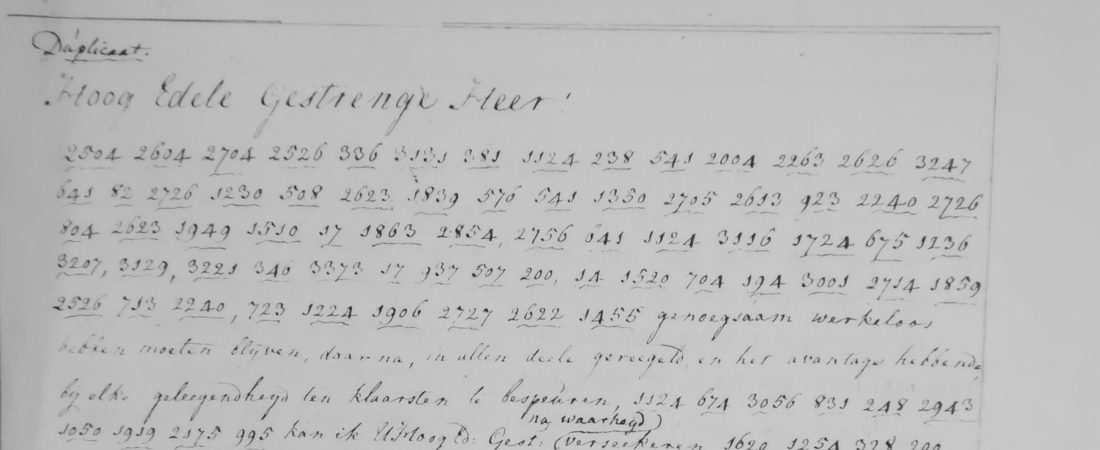 Van Dedem at Constantinople, 1788–1799 — attempted, not deciphered: the code is not on DECODE. The 1788 letter was deciphered at the time (its decipherment is DECODE R2121); the 1789 and 1793 letters use a homophonic word code too thin to rebuild from three siblings. write-up
- Walsingham to Edward Wotton in Scotland, Jul–Sept 1585 — partial; four letters with no decipherment on DECODE are clear English with a name code, two already calendared; fourteen words in a cipher of signs, of 10 September, stay open. write-up
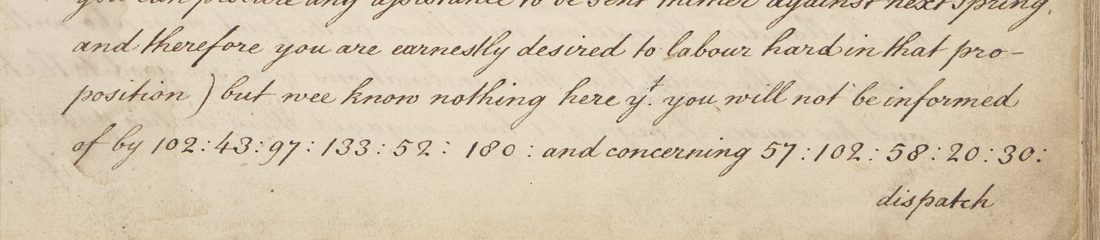
 “Mr. Conleys Hand”, Paris 1652–53 — clear text transcribed; the 23 code numbers stay open. The docket reads “mr Cowleys Hand”: two letters from the Queen’s court in exile, in Abraham Cowley’s hand. write-up
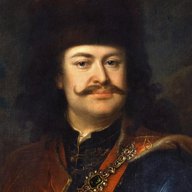 Rákóczi’s envoys at Constantinople, Jan–Mar 1706 — four despatches catalogued as partly deciphered, now deciphered in full with Pápai’s key, unchanged. DECODE R793–R796: the Kiaya’s money, a Moldavian letter route, a Hungarian confederation with the Porte certis conditionibus. write-up
- Unknown sender (Constantinople) to Ferenc Rákóczi II, 1707 — deciphered with Pápai’s envoy key, unchanged. DECODE R784: the French ambassador could not bring the Porte to war; France wants Turkey turned against the Emperor. write-up
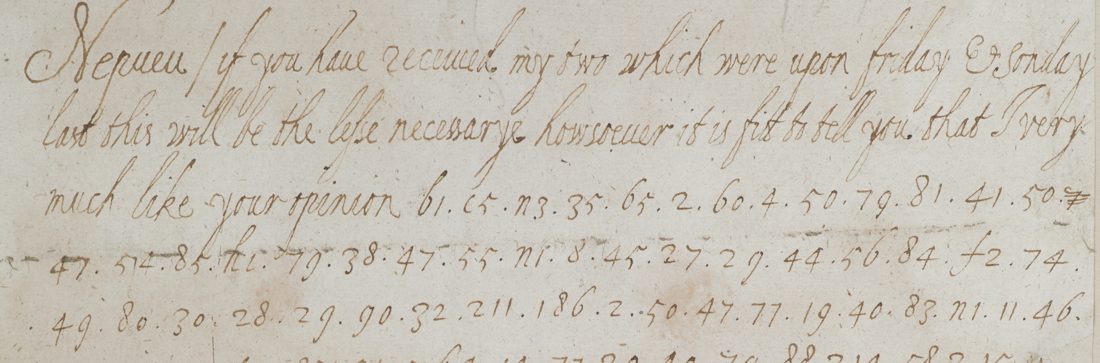
 Charles I to Prince Rupert, 29 April 1645 — deciphered with a matched key: a holograph cipher letter with no decipherment on DECODE is deciphered by George Lasry’s King–Queen key; the King asks Rupert to march and fetch his artillery train. write-up
 Edward Wotton from Scotland to Walsingham, Aug–Sept 1585 — name code recovered from the clear text: three DECODE records listed with no decipherment are clear drafts with a numeric name code: 19 Arran, 39 the Master of Gray, 10 King James, in Gray’s plan to seize the King and bring down Arran. write-up
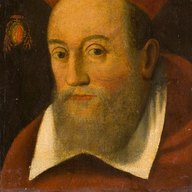 Prospero Santa Croce to Cardinal del Monte, 1553 — already in print: five nunciature ciphers listed with no decipherment were deciphered on arrival and printed in 1972; the one cancelled passage, a postscript on the fleet for Corsica, is deciphered here. write-up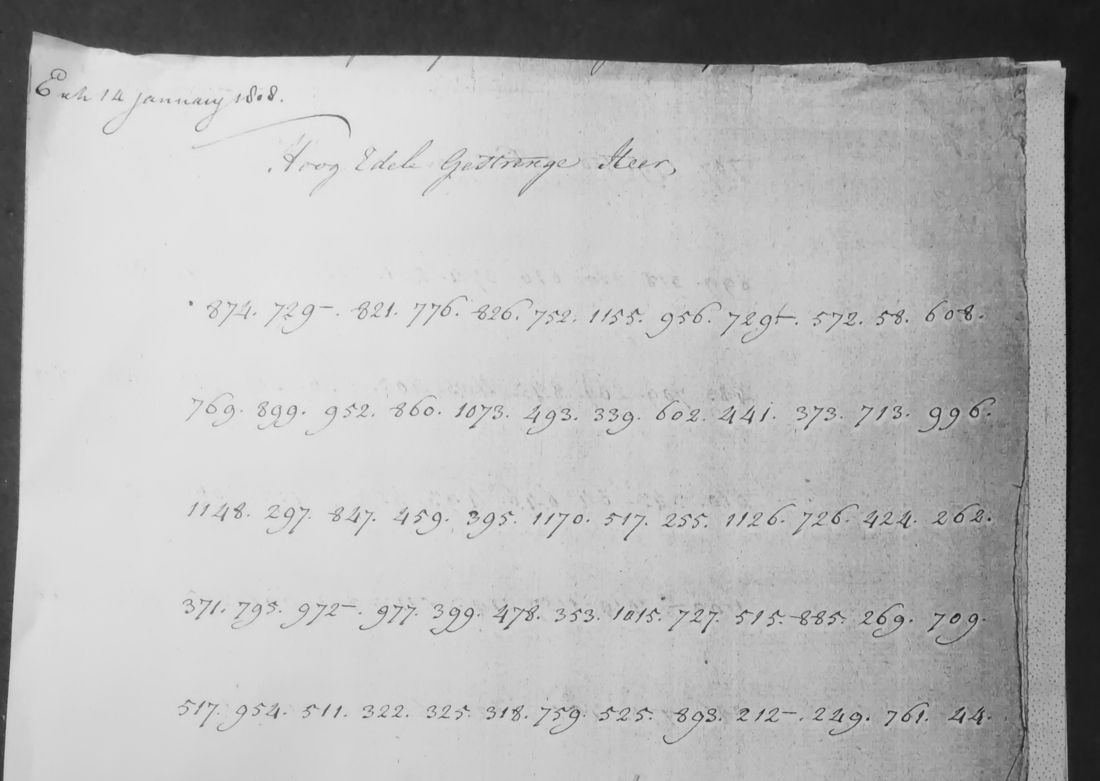
 Van Spaen to Van der Goes, 14–15 January 1808 — attempted, not deciphered: no key survives online. 303 groups of a plain code reaching 1339; the file belongs to the commissioners for the districts ceded to Holland around Zevenaar. write-up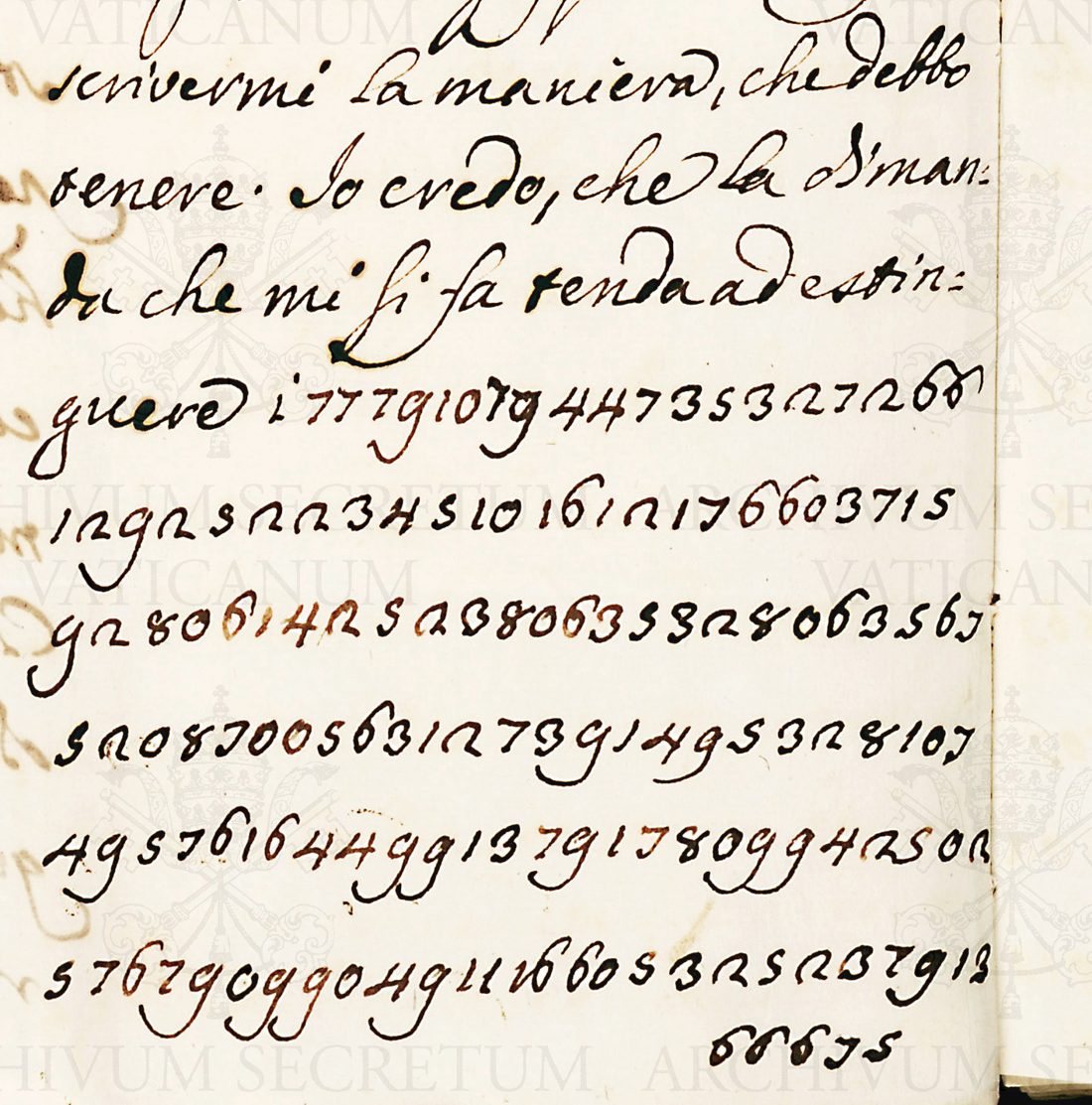
 Nuncio Lucini from Madrid, 13 Oct 1767 — deciphered with Lasry’s key, which sat on the record: the ciphered last sentence of a clear letter, not decrypted before: Madrid’s demand to try clergy before lay judges aims at “i tumulti interni della monarchia”. write-up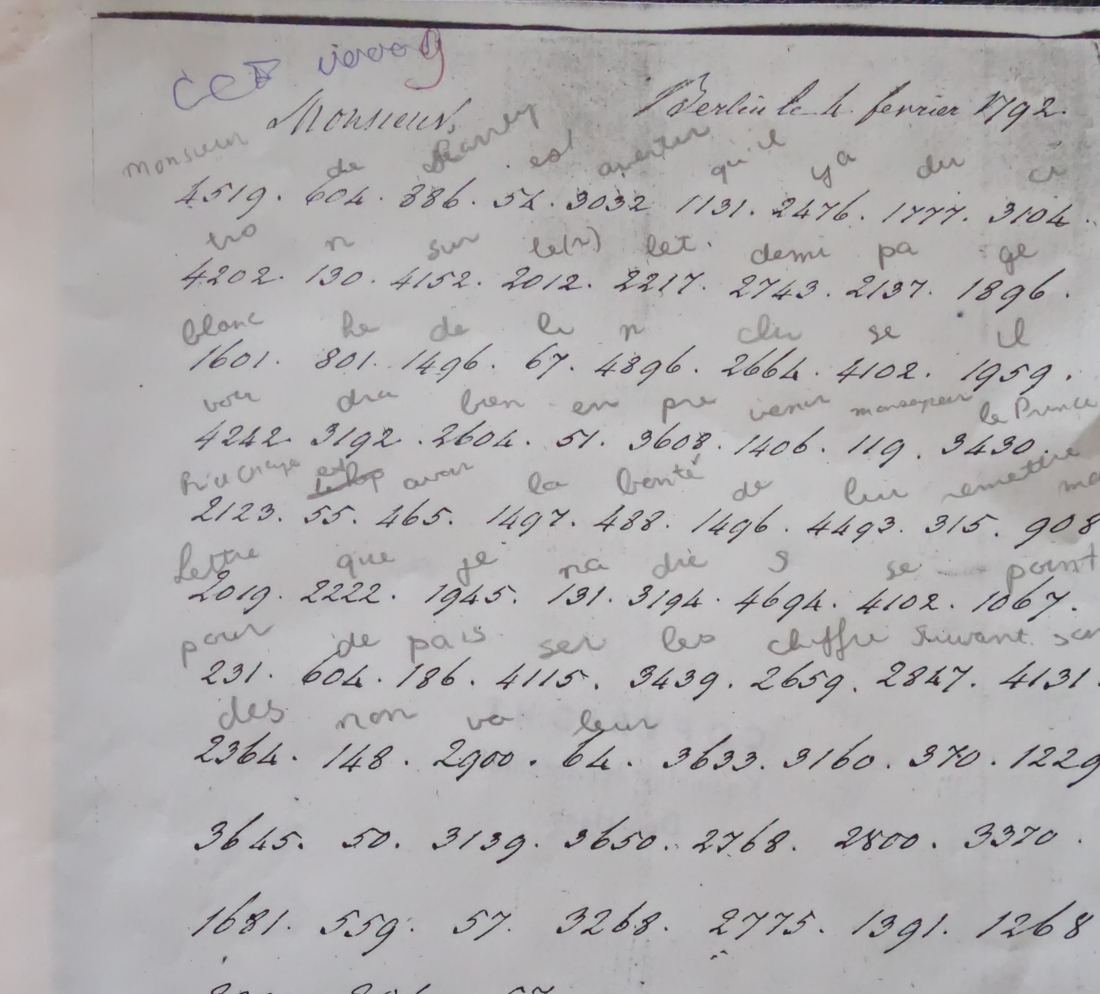
 Van Reede to William V, Berlin, 4 February 1792 — deciphered with the 1782 Grand Chiffre. The letter is a cover note: “il y a du citron sur les quatre demi-pages blanches de l’incluse”, the real despatch in invisible ink, followed by 21 declared nulls. write-up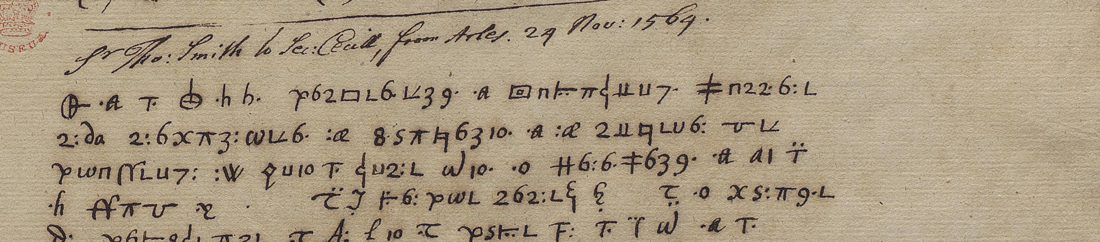
 Sir Thomas Smith, Add MS 4136 f. 140 (DECODE R9236) — a seventh record with no decipherment on DECODE: five more letters in Smith’s key. The 1562 passages match Forbes (“to trust no Frenchman of what religion soever he be”); the letter to the Queen of 4 November 1563 is deciphered in large part. Write-up.
- Sir Thomas Smith to Cecil and the Queen, France, 1563–1566 — deciphered with Smith’s own key, filed in the same volume; the six DECODE records listed with no decipherment hold eighteen letters. The 1563 passages match Forbes’s 1741 print word for word; the later ones, only summarised in the Calendar, are given in Smith’s words, among them the Cardinal of Lorraine and Condé “banketting togither at Soissons” and the Lennox marriage offer. Write-up.
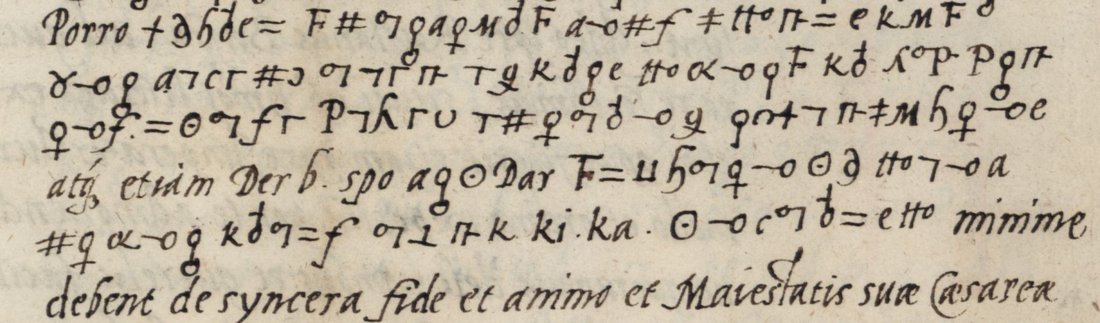 Ferdinand I (Augsburg) to Johann Malvezzi at the Porte, 23 January 1548 — deciphered in part with the key filed beside it on DECODE: the ciphered passages carry the politics (the French working to break the Habsburg–Ottoman peace because they dare not attack Charles V directly) and the envoy’s 4,300 ducats, brought out by the secretary Justus de Argento. write-up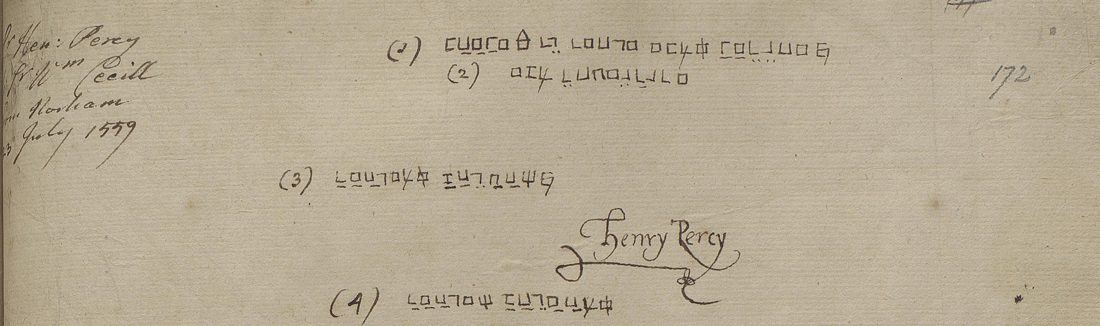
 Sir Henry Percy to Cecil, Norham, 23 July 1559 — attempted, not deciphered: DECODE’s image is a tracing of four short box-script passages; no single alphabet fits them and the key is lost; Cecil’s decipherment is on the TNA original. write-up
- Sir Nicholas Throckmorton to the Regent Moray, 20 July 1569 — deciphered at the time; text recovered with the known key: DECODE’s sender-less record is Throckmorton pressing Moray on Mary’s restoration and marriage; where the decipherment is stain-faded, the cipher was deciphered again. write-up
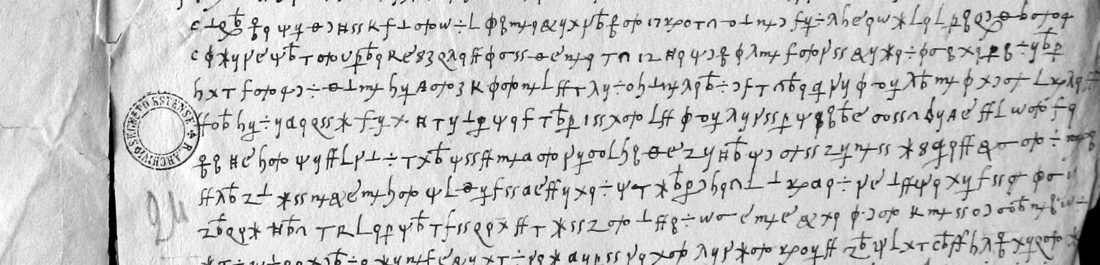 Giuliano Caprile and Alfonso Cistarelli (Eger) to Ferrara, 1519–21 — two letters with no decipherment, deciphered in part with a homophonic key rebuilt from a 2025 decipherment; the rest of catalogue 157 was deciphered in 1882 or since; Cistarelli’s figures give fragments. write-up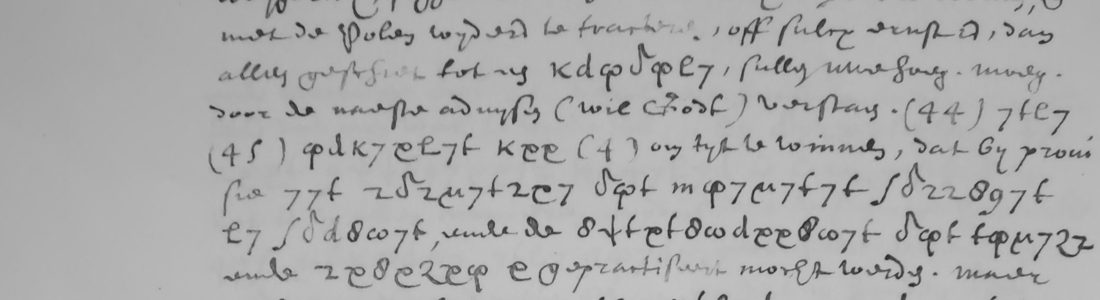
 Cornelis Haga at Constantinople to the States General, February–May 1620 — deciphered with the key filed beside them: two despatches listed with no decipherment; the Porte on the Bohemian revolt and on breaking the truce with Spain. write-up
- Charles de Poupet de La Chaulx to Charles V, Vitoria, 28 May 1522 — deciphered at the time: the 1522 decipherment is bound in with the letter. DECODE R1187, listed as a Spanish letter with no decipherment, is French; its five cipher passages on Adrian VI’s sailing are keyed A–E to the clerk’s text. write-up
- Letters to and from Ferenc Rákóczi II, 1707–1711 — deciphered with a matched key; three of four were written to him: the Bonac–Groffey key DECODE R639 deciphers three French reports from the Polish court (2,653 of 2,839 groups); the fourth, Rákóczi’s Latin letter from Lwów in June 1711, was deciphered between the lines at the time. write-up
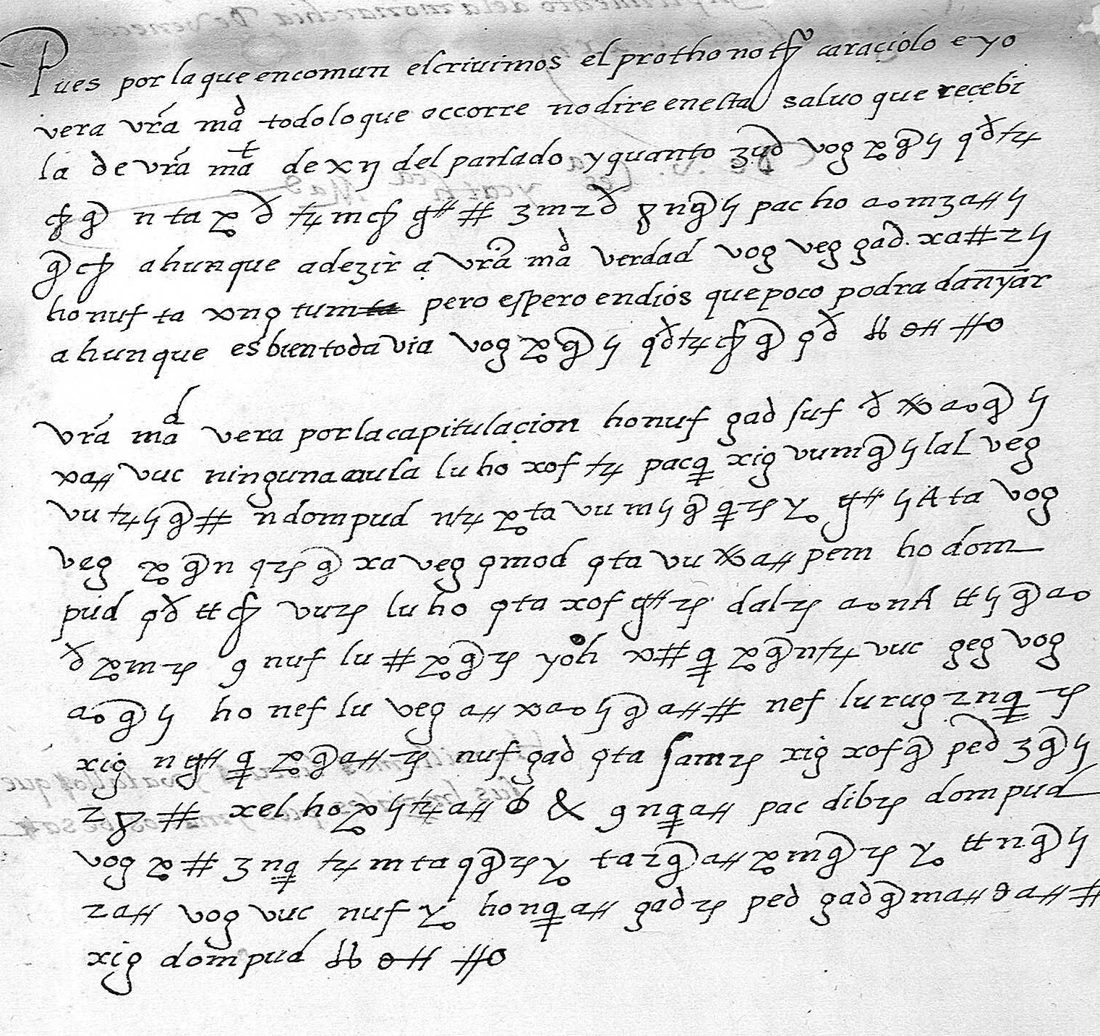 Alonso Sánchez at Venice to Charles V, May–August 1523 — already calendared by Bergenroth in 1866, key unchanged from 1522: seven of ten DECODE records with no decipherment are despatches in CSP Spain 2, calendared from their contemporary decipherings. The uncalendared letter of 16 August 1523 is deciphered in part. write-up
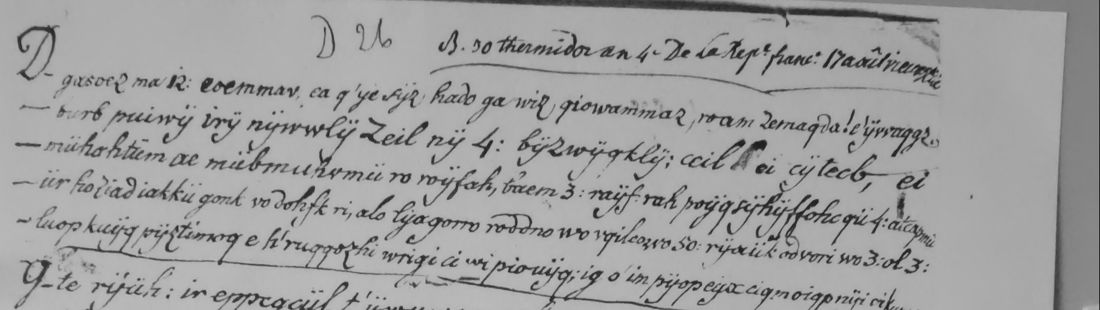 An Orangist at Basle to William V, 17 August 1796 — deciphered with a known key: R2234, listed on DECODE with no decipherment, is deciphered by the five-alphabet key R2235 from the same file, the alphabet changing every line. Salm’s hussars, Barthélemy, the armies of Italy and the Rhine. write-up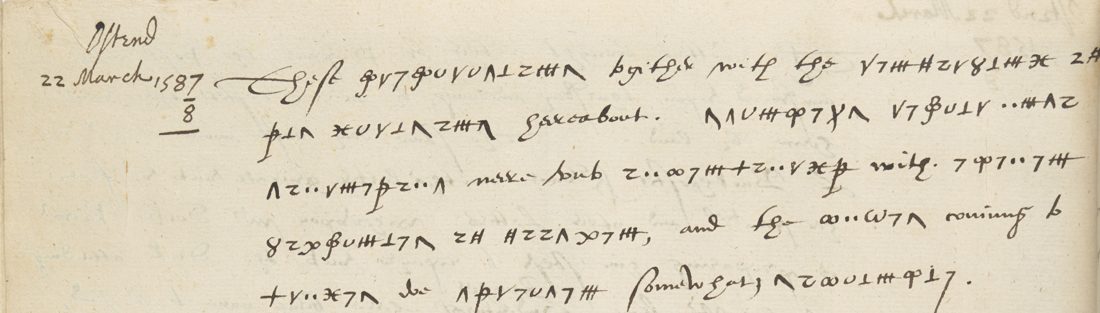
 Lord Cobham at Ostend to Walsingham, 20–22 March 1588 — partial: DECODE’s “unknown sender” letters in Harley MS 287 are the peace commissioner’s; the key of a cipher of graphic signs was recovered from its clear context. write-up
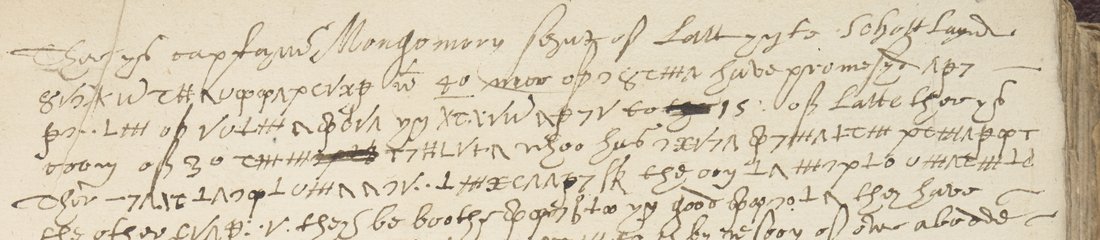 Lord Cobham to Walsingham, May–June 1588 — partial: key rebuilt from Cobham’s glossed April letters; a solver over the transcribed symbols gives “in all armadas”, “Italians arriving”, “within France”. write-up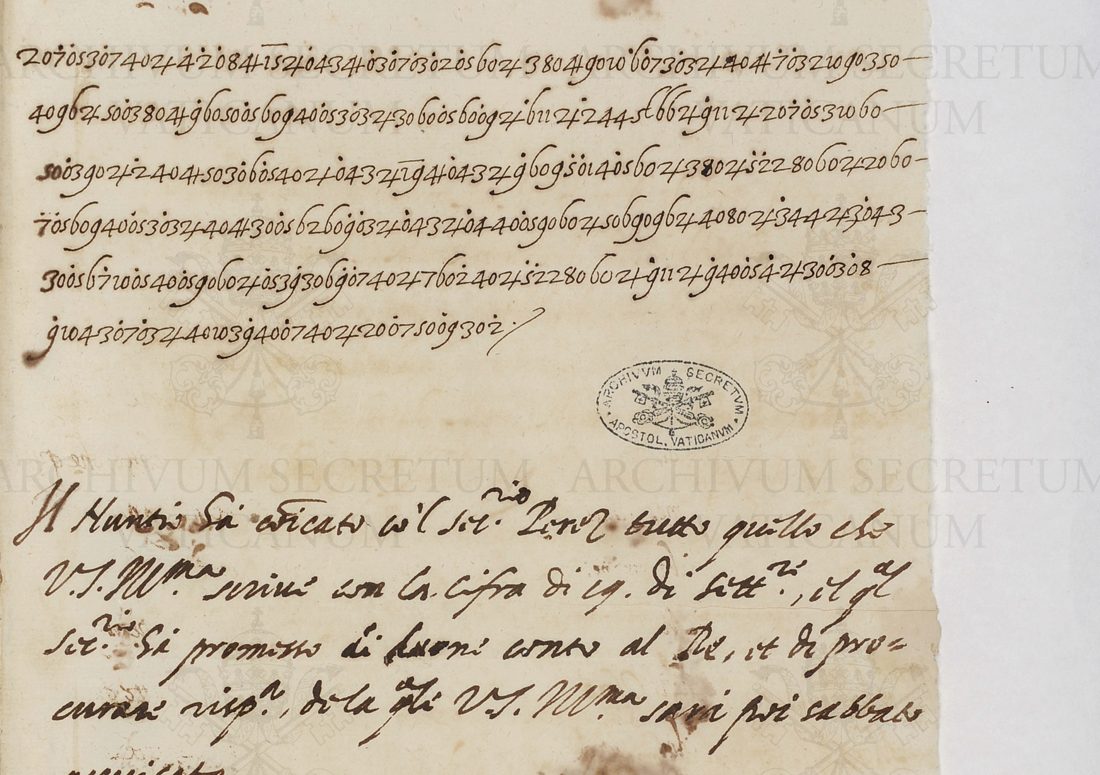
 Ormanetto and Clementino, Spain nunciature, 1576–77 (ASV Segr. Stato Spagna 10) — not deciphered: one record is a clear memorial, the other’s note is not its decipherment. write-up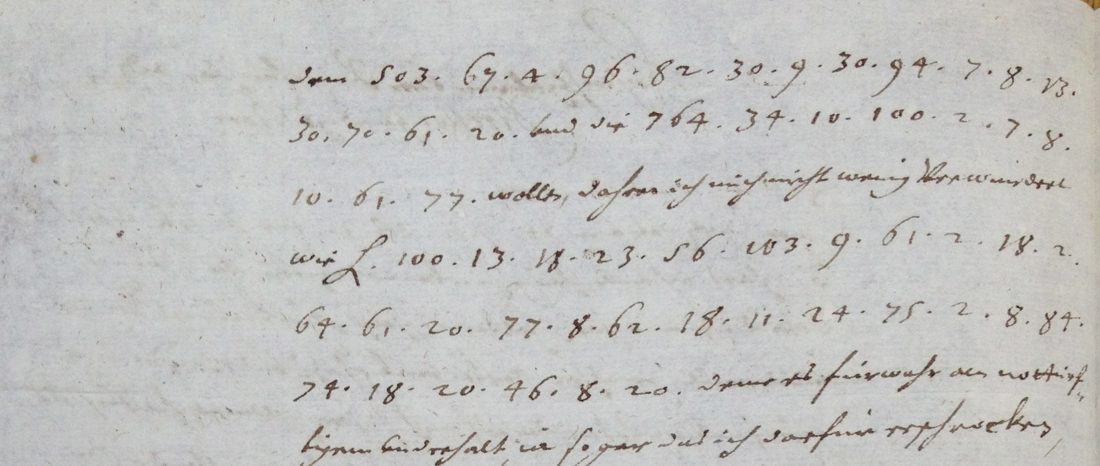
 Heusner von Wandersleben to Oxenstierna, Kassel 1637 — found already deciphered by Waldispühl and Kopal (2024): two “open” DECODE records are one letter, dated May, not March. write-up
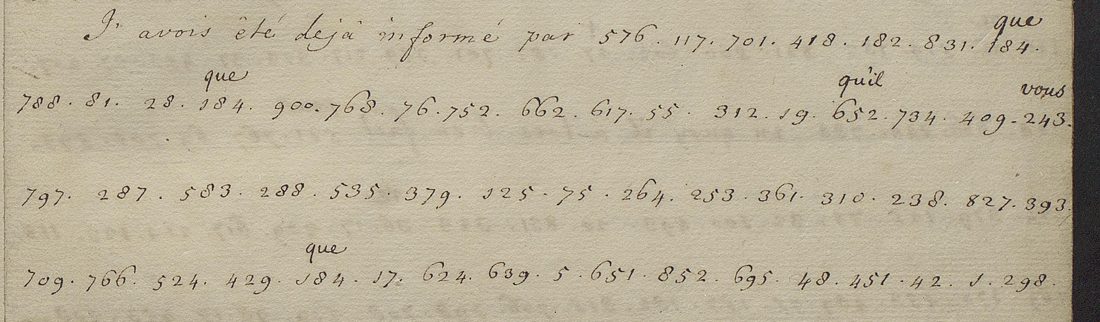 Paris 1719 and the Carré letters, 1742–45 (BL Add MS 32305) — not deciphered: a codebreaker’s file; two items deciphered at the time, the rest two-part codes with a dozen glosses or none. write-up
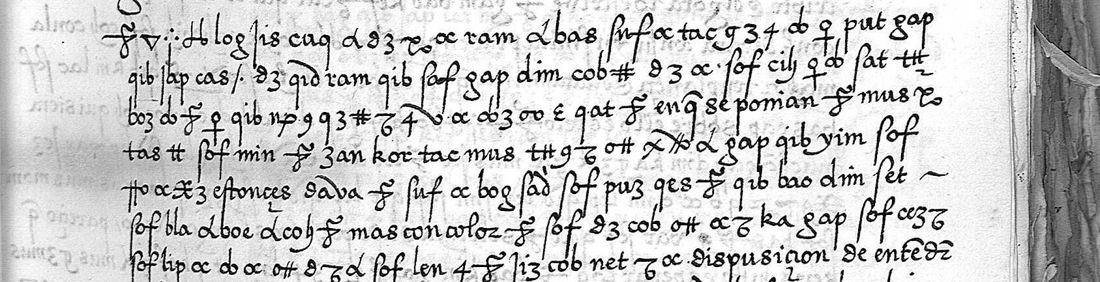 The Duke of Sessa to Charles V, February–April 1523 — seven “unknown” ciphered letters identified; four already calendared by Bergenroth, the rest deciphered, in part, with the 1524 Sessa key. write-up
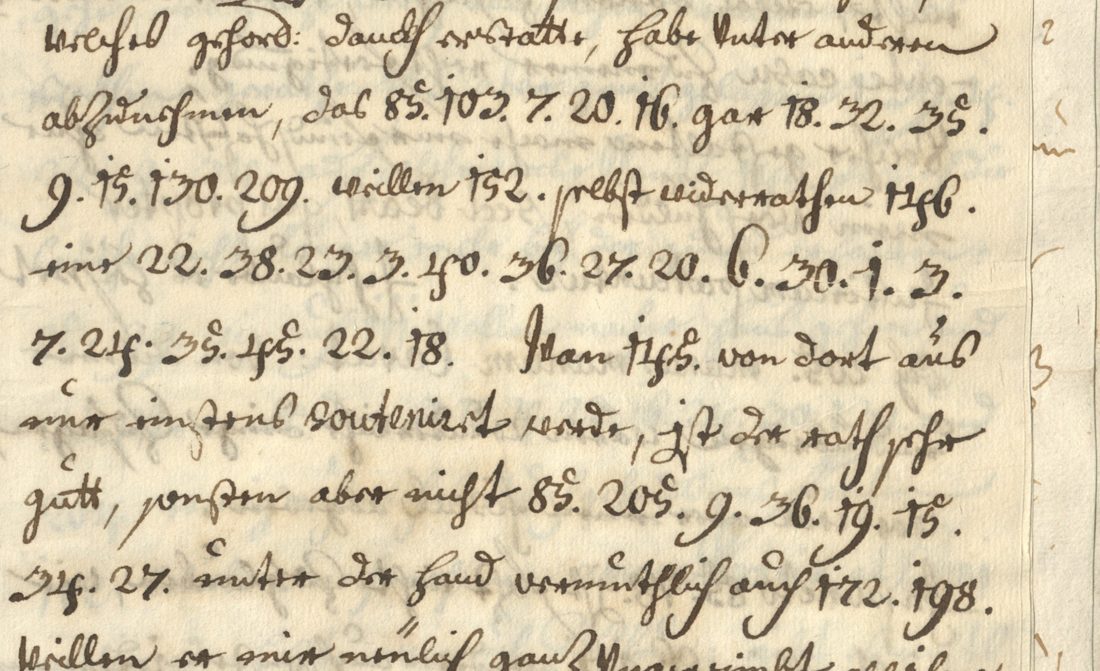 The Windischgrätz brothers, Brussels, 18 Nov 1721 — deciphered in part with Jakub Mírka’s key, already on the DECODE record: a family letter listed with no decipherment: the Congress of Cambrai, an excuse the Emperor advised, the Prince’s plan, the succession; 23 codes open. write-up
 An Orange prince to an officer of the émigré troops, c. 1795 — partial: DECODE R1892, listed with no decipherment, is a 6×6 digit square; key recovered from the ciphertext alone. A son of William V on General Dundas, pay, embarkation and British service for the rassemblement. write-up
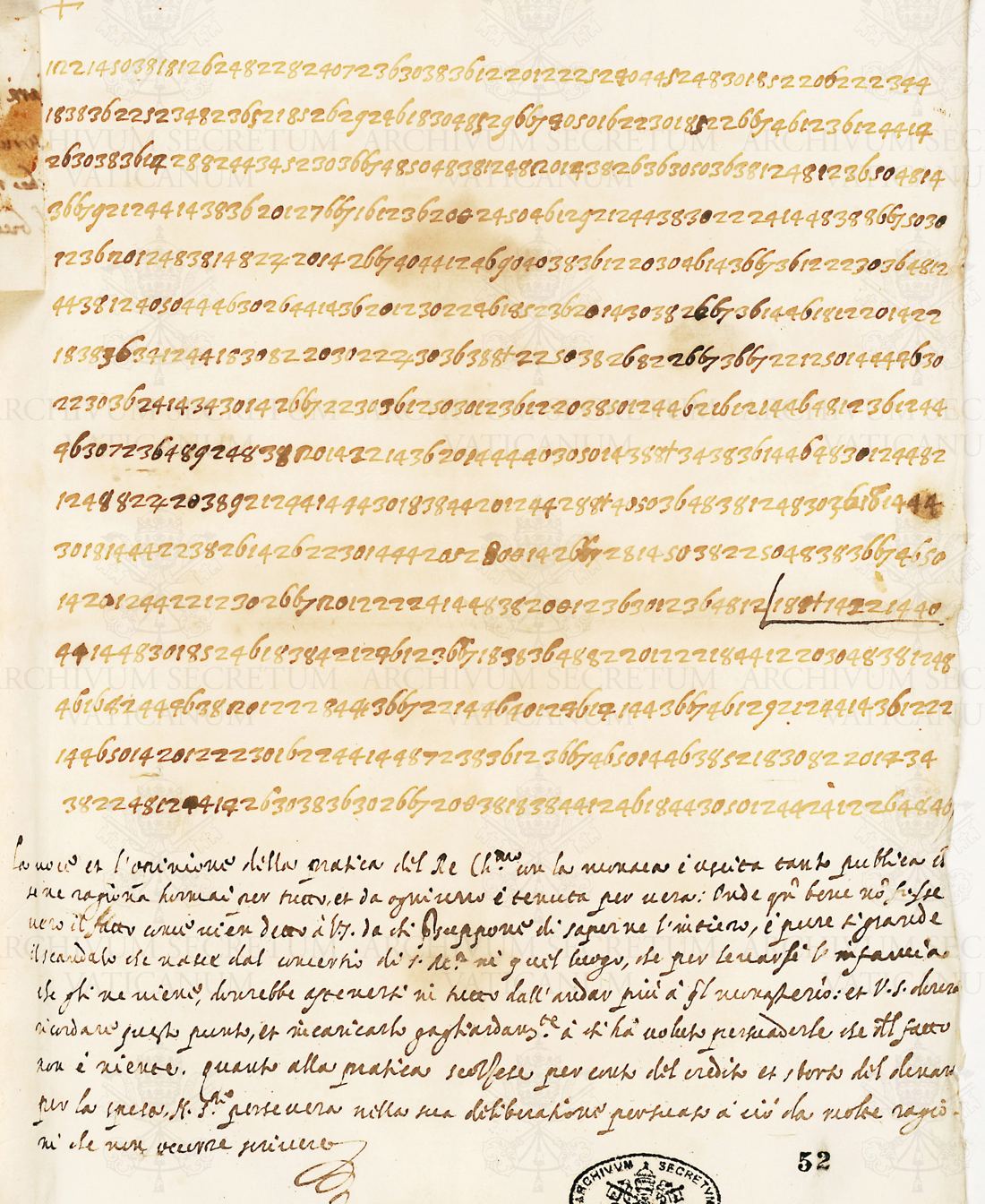 The Cardinal of Como to the nuncio Dandini, 1580 — the clerk’s decipherment transcribed; R72’s own letter key, rebuilt inside Lasry’s frame, agrees with it: Rome tells the nuncio to stop Henri III visiting a nun, quietly. write-up
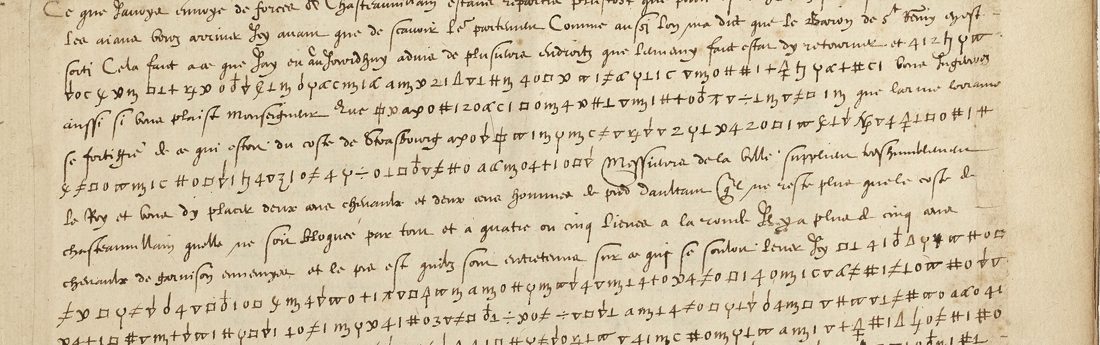 Dinteville to Nevers, 3 July 1592 — not deciphered: the “contemporary decipherment” DECODE reports is not on the leaf; a crib on sibling f. 128 found, key not rebuilt. write-up
- Mihály Hentér to Ferenc Rákóczi II, Constantinople, 8 July 1707 — decipherment found: DECODE R496, listed with no decipherment, has a contemporary Hungarian decipherment between its lines. The pasha of Belgrade offers troops, powder and grain if Rákóczi sends men against the Serbs; the key is confirmed on two sibling letters. write-up
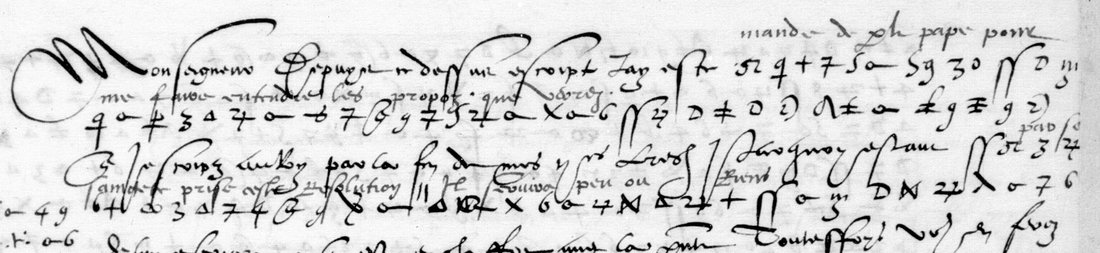 The cardinal de Mâcon, Rome and Orvieto, to Montmorency, 1536–37 — the catalogue’s “unknown sender” named and about 95 % of the cipher of the eight records deciphered: Paul III’s volte-face on the general council, Andrea Doria’s galleys and a suspected secret treaty, Milan refused to the Farnese, and an estate in France offered to the Pope’s son. write-up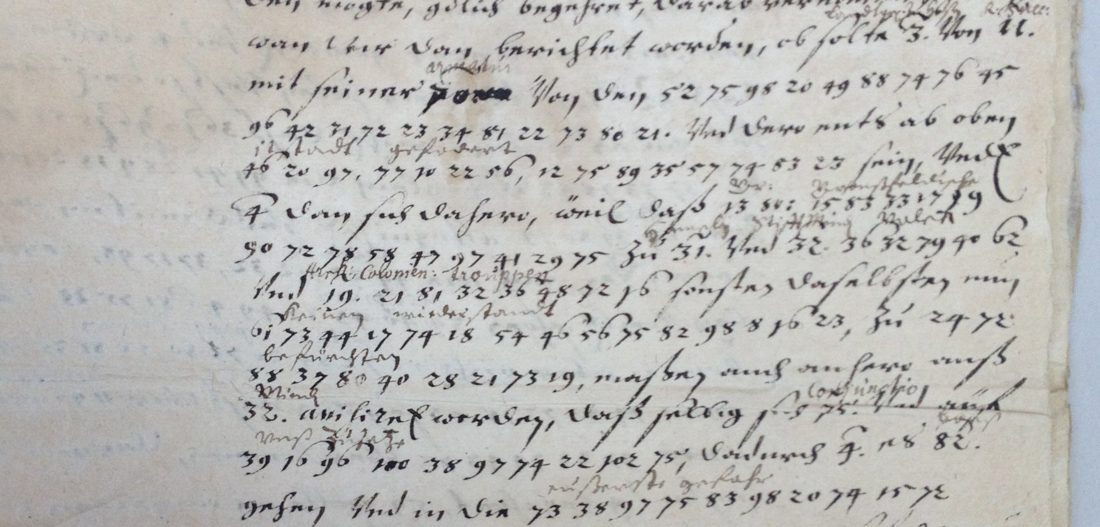
 Archbishop of Bremen to Johan Adler Salvius, November–December 1631 — one letter deciphered in full; catalogue item 207 is four unrelated Riksarkivet groups. The clerk’s glosses gave four numbers per letter in the columns of an alphabet grid, which placed the letters nobody glossed; three key-box ciphers attacked and still open. write-up
- János Pápai to Ferenc Rákóczi II, 1706–1710 — six of seven envoy despatches deciphered with the key issued to Pápai. DECODE R580 was never linked to the letters; unchanged it keys 98.5% of 11,224 groups. write-up
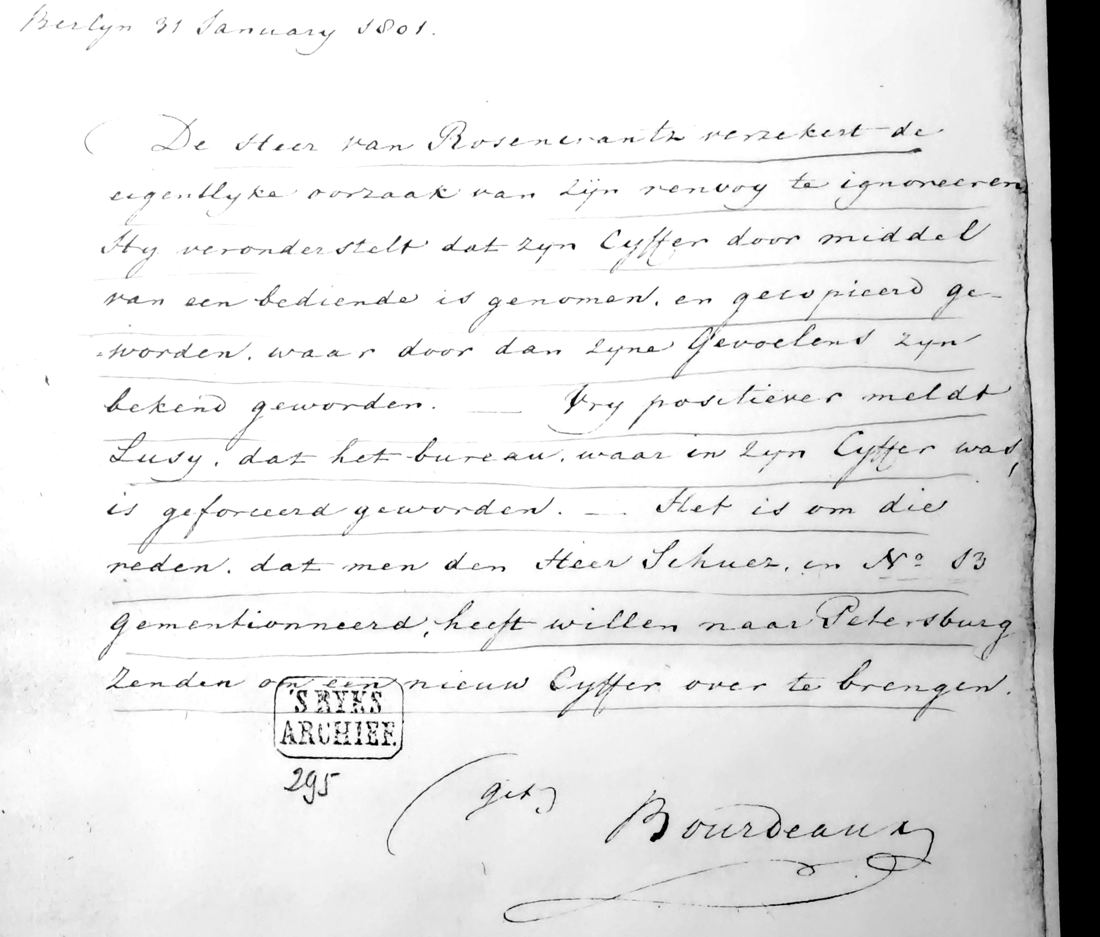 Etienne Bourdeaux to Maarten van der Goes, 31 January 1801 — transcribed from its contemporary clear copy, misfiled under another DECODE record. The Batavian chargé’s ciphered dispatch no. 16 reports that Rosenkrantz’s cipher had been copied in Petersburg, through a servant or a forced desk. write-up
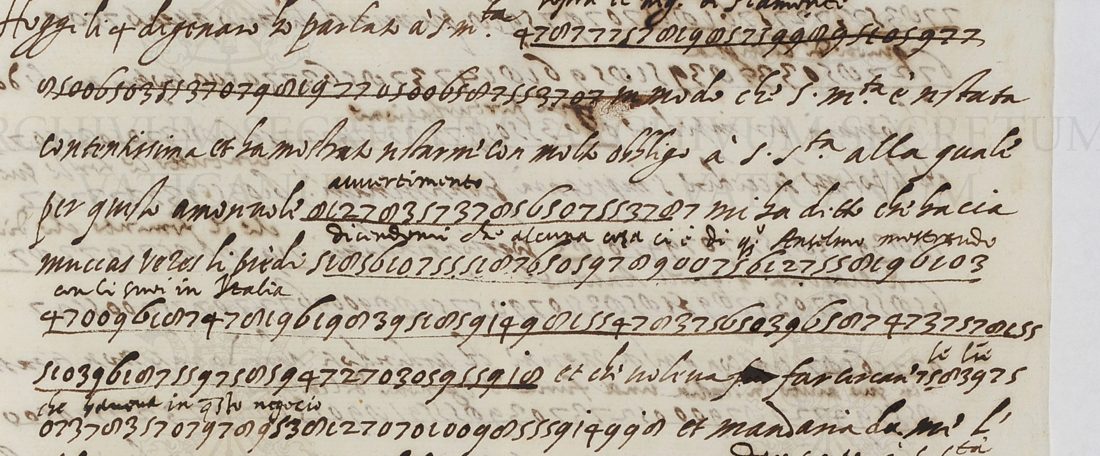 Sauli and Riario, Portugal to the Secretariat, 1579–81 — the contemporary decipherments transcribed and checked against Lasry’s key, five code words added: the Piedmont plot, the papal Italian troops for Ireland, and the English enterprise put off until Flanders is subdued. write-up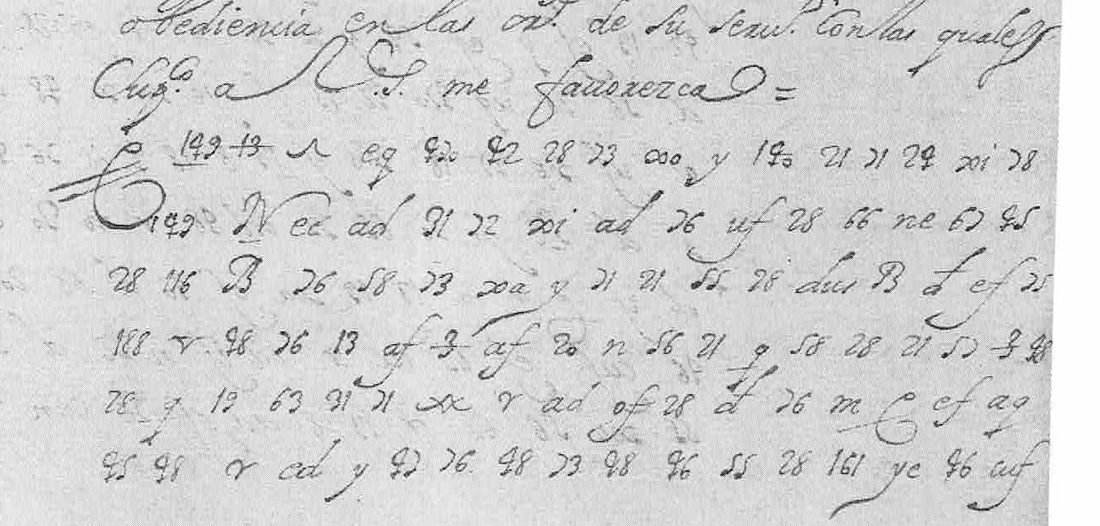
 Bernardo de Salinas and Pedro Ronquillo to Baltasar de Fuenmayor, London and Nijmegen, 1676–78 — deciphered in part (88% of groups); the Balbases key fits all twenty letters unchanged, and deciphers the four that have no marginal decipherment (two of them listed on DECODE with none): Ronquillo waiting on the English parliament after the fall of Ghent. write-up
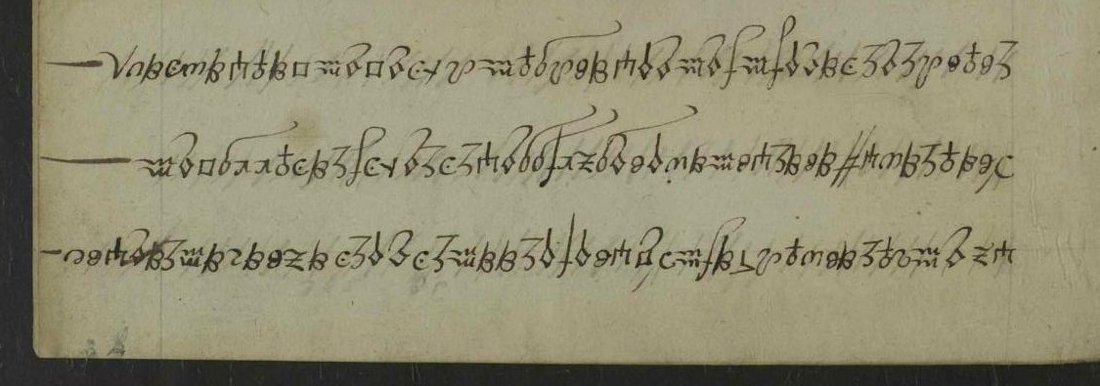 Sir Ralph Boswell to William Boswell, December 1627 — found already deciphered by Mark Woodard: the “Charles I to Boswell” cipher of SP 106/5 is a monoalphabetic newsletter on Buckingham’s return from Plymouth; sender and date identified here from the endorsement. write-up
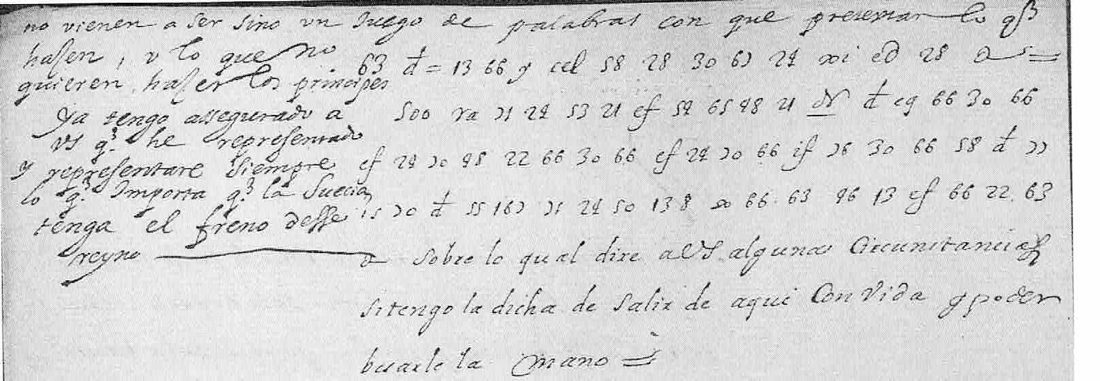 The Conde de Hernán Núñez to Baltasar de Fuenmayor, Stockholm, December 1674 — deciphered with the Balbases key, which fits unchanged; the marginal decipherments verified: Sweden’s senate about to decide on armed aid to France. write-up
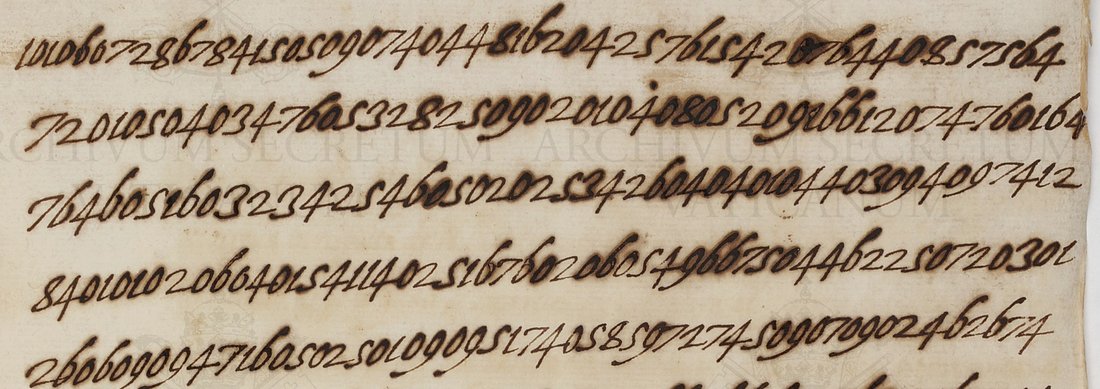 Cardinal Alessandrino to the nuncio in Spain, 1568–69 — deciphered with Lasry’s polyphonic key: eleven papal ciphers on DECODE with his key but no plaintext, all deciphered end to end, each ambiguous figure resolved from context: a French bride for Philip II, the King’s ministers and Church jurisdiction, Bolognese exiles, the Turk and the German Protestants. write-up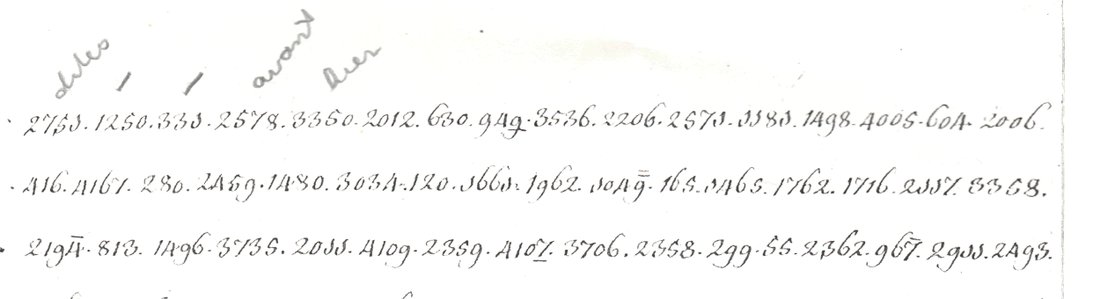
 Arend Willem van Reede to Van de Spiegel, Berlin, December 1787 and March 1788 — partial. The two French despatches are in William V’s 1782 Grand Chiffre, confirmed on a control letter; a catch-all sign in the DECODE transcription was resolved with a language model. The King of Prussia would not guarantee the Dutch possessions overseas. The 1793 letter is in another code and is not deciphered. write-up
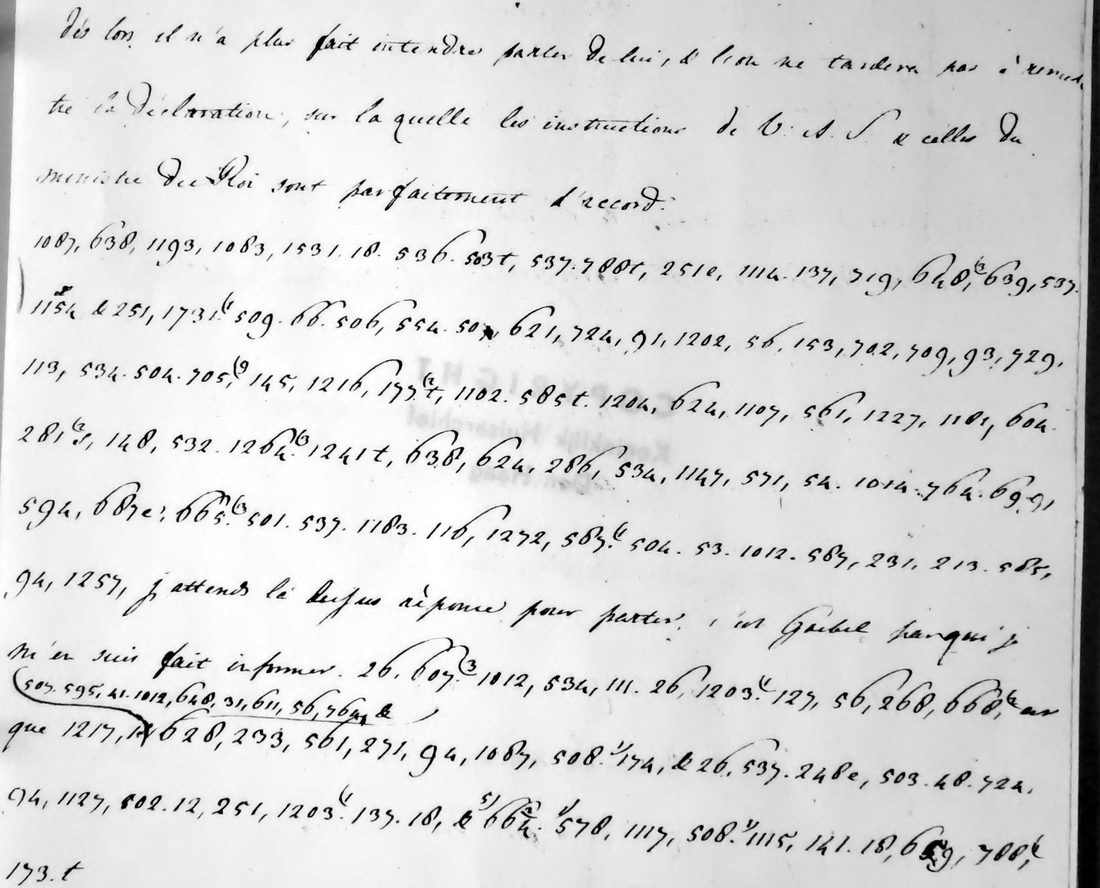 Robert Fagel to William V, 18 June 1804 — attempted, not deciphered: every key reachable online ruled out. 128 groups of a French nomenclator reaching 2510, on the 1804 Orange compensation talks; the key is most likely in the undigitised KHA packet A31-902. write-up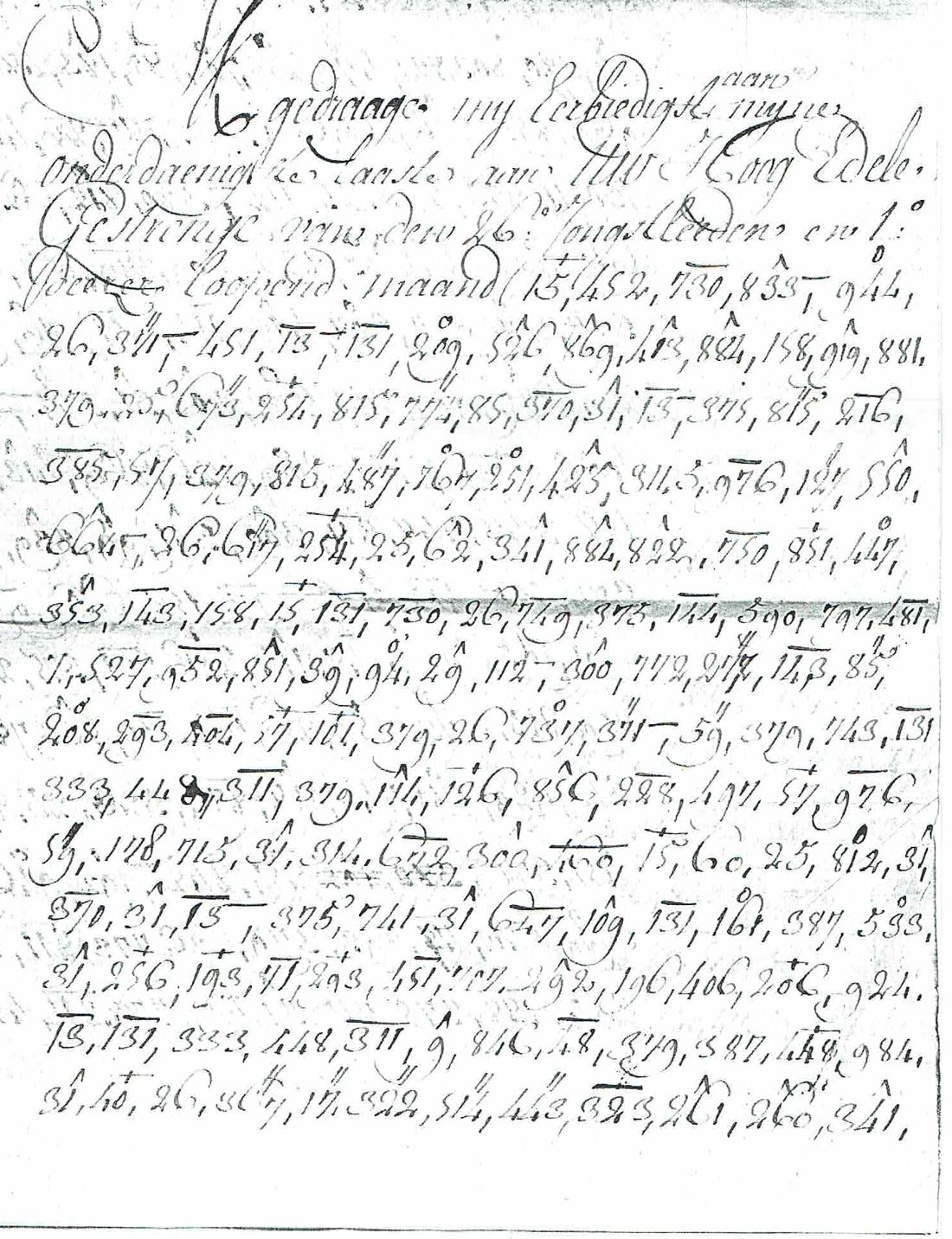
 Johan Isaac de Swart to Pieter van Bleiswijk, 8 March 1782 — deciphered with a matched key, 96.7% of the groups. The codebook DECODE could not identify is Croiset’s 1765 key for the Russia legation (R1038). The despatch covers the Austro-Russian mediation, Catherine II’s Greek project and Prussia’s accession to the Armed Neutrality. The 1787 letter is deciphered in its second part only. write-up
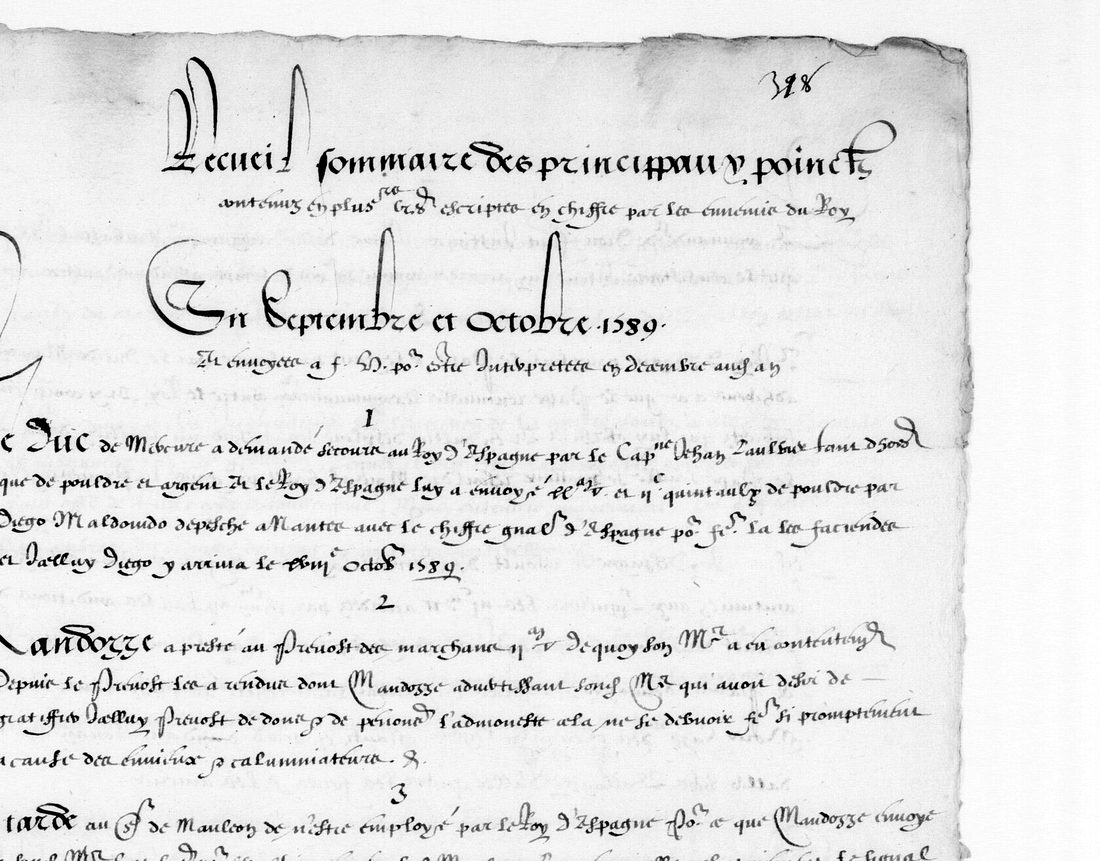 Intercepts summarised for the duc de Nevers, September–October 1589 — the ciphered originals are not in the volume, and the summary is in clear French; the sweep turned up eleven other intercepted ciphered letters in the same volume, each carrying its 1589 decipherment written word by word above the cipher, three of them from Mendoza to the duke of Parma. write-up
- Philippe Groffey (?) to Ferenc Rákóczi II, 15 October 1707 — cipher identified and the report deciphered in substance; the catalogue direction reversed. The address names Pompeio Cesoni as recipient, and the matching key DECODE R639 identifies 1,020 of 1,108 groups. The report treats Ráday’s letters to Rehnskiöld and work at the Swedish and Polish courts. Exact prose awaits a fresh manuscript transcription. write-up
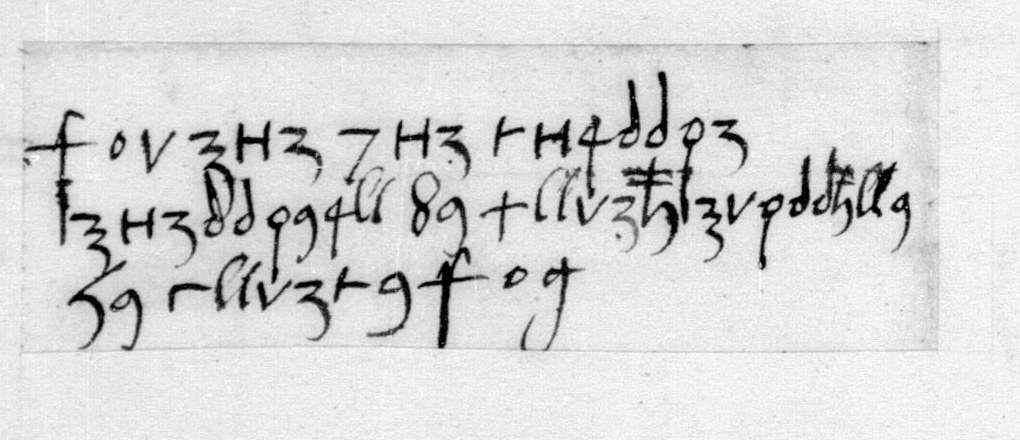
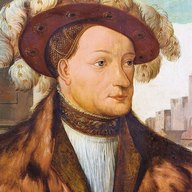 Charles of Egmond to the grand master of France, year unknown — George Lasry solved this cipher in 2023; the key was recovered again here from the ciphertext alone, independently, and the ciphered body and address deciphered. A request for support after entering war on the king’s commands; Arnhem, apparently 18 July. Minor glyph doubts retained. write-up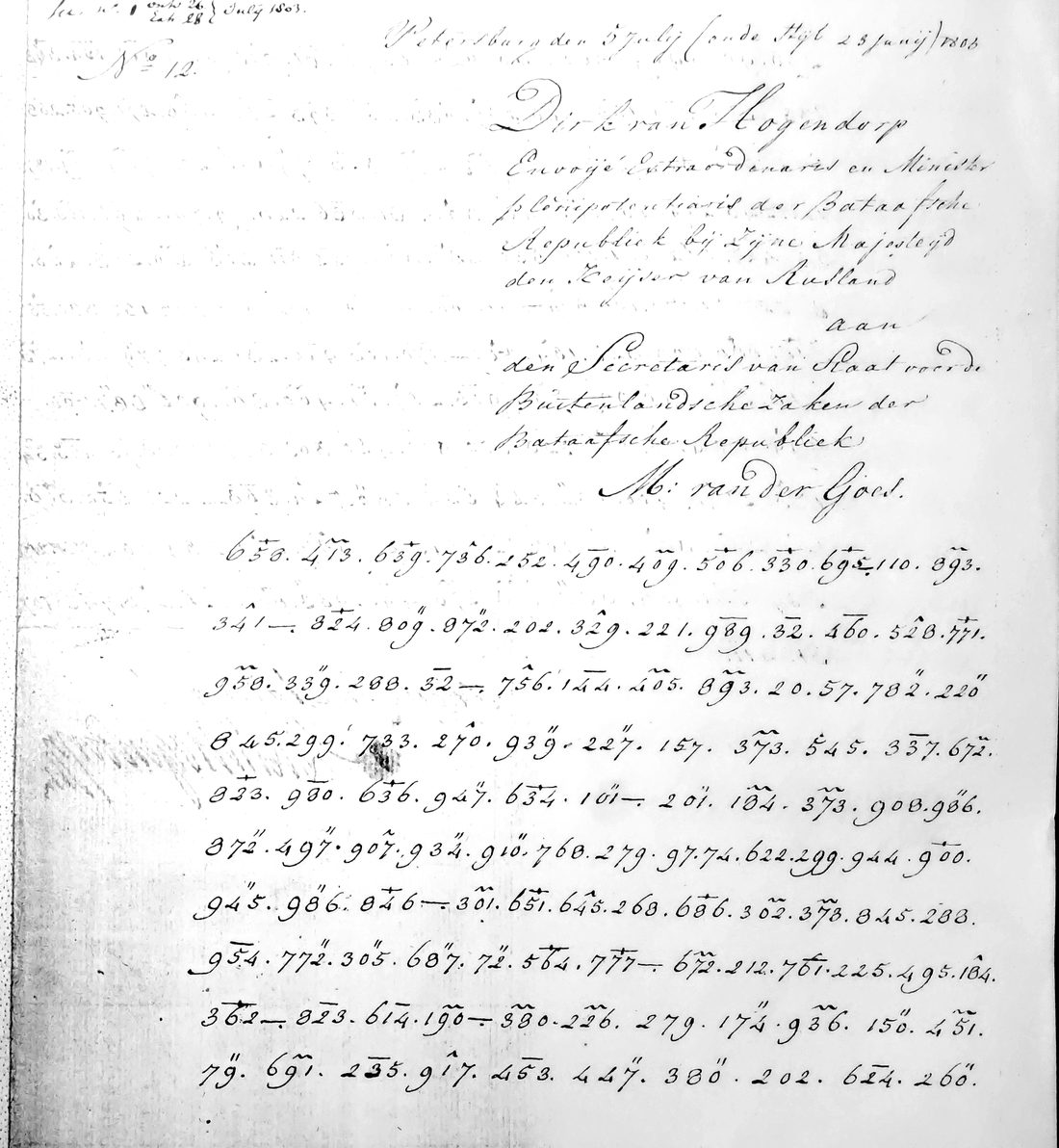
 Dirk van Hogendorp to Maarten van der Goes, 5 July 1803 — subject identified from print; the exact plaintext remains open. Sillem’s 1890 account says that, after Vorontsov rebuffed him, Hogendorp sought another channel to Alexander I through General Van Suchtelen, and cites the ciphered dispatch of the same day, no. 12. The manuscript is headed no. 12; the matching 1803 Russian-legation codebook is DECODE R1035. write-up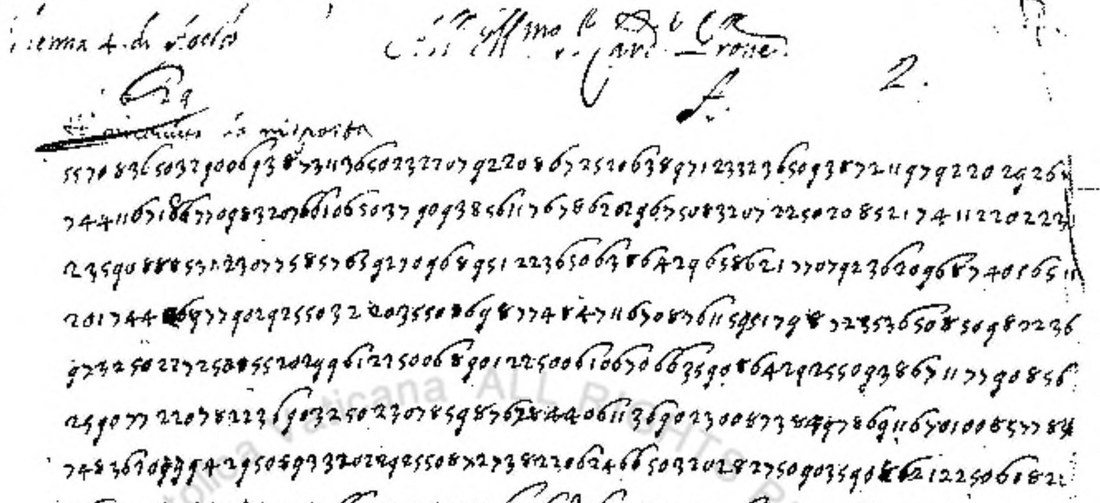
 Pallotto to Barberini, 1629: the key was already found — George Lasry points out that BAV Barb.lat. 6960 uses the key Norbert Biermann and Thomas Bosbach broke in 2018 for the sibling volume Barb.lat. 6956. Applied to all 28 sheets listed with no decipherment, it deciphers them (“ho riceuto la risposta datami in scritto”), apart from about 1,750 name groups missing from the key. Two-digit homophones, three-digit nomenclator groups and nulls in one digit stream: that is why every fixed-width attack here failed. write-up
- Pallotto to Barberini, 4 August – 29 November 1629 — twenty-eight ciphers of the nuncio at Vienna, listed with no decipherment, whose contents have been in print since 1897: Kiewning’s Nuntiaturberichte volume prints the despatches from the Roman office’s own decipherments, and the register’s clear pages confirm it: the Mantuan succession, Sabran, Eggenberg, Susa and the Grisons. The cipher itself is not broken, and calibrated controls now rule out every fixed-width hypothesis: a search of all 1,161,303 letters of the edition finds no window of four ciphertexts enciphering anything in print at widths two, three or four. What it is, though, is now clear: 39 repeated 24-digit strings where chance gives none make it a code with deterministic variable-length groups, not a homophonic cipher. write-up
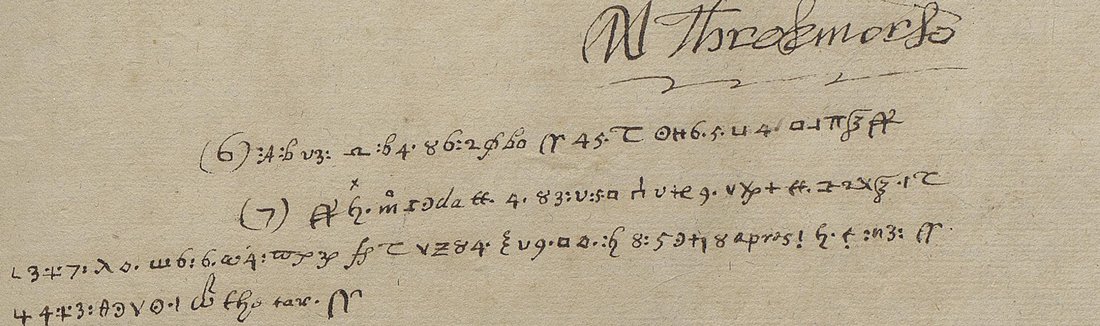 Throckmorton to Cecil and the Queen, 1560–63 — archived key and printed plaintext verified: two samples, 42 tokens; twenty-record source concordance. write-up
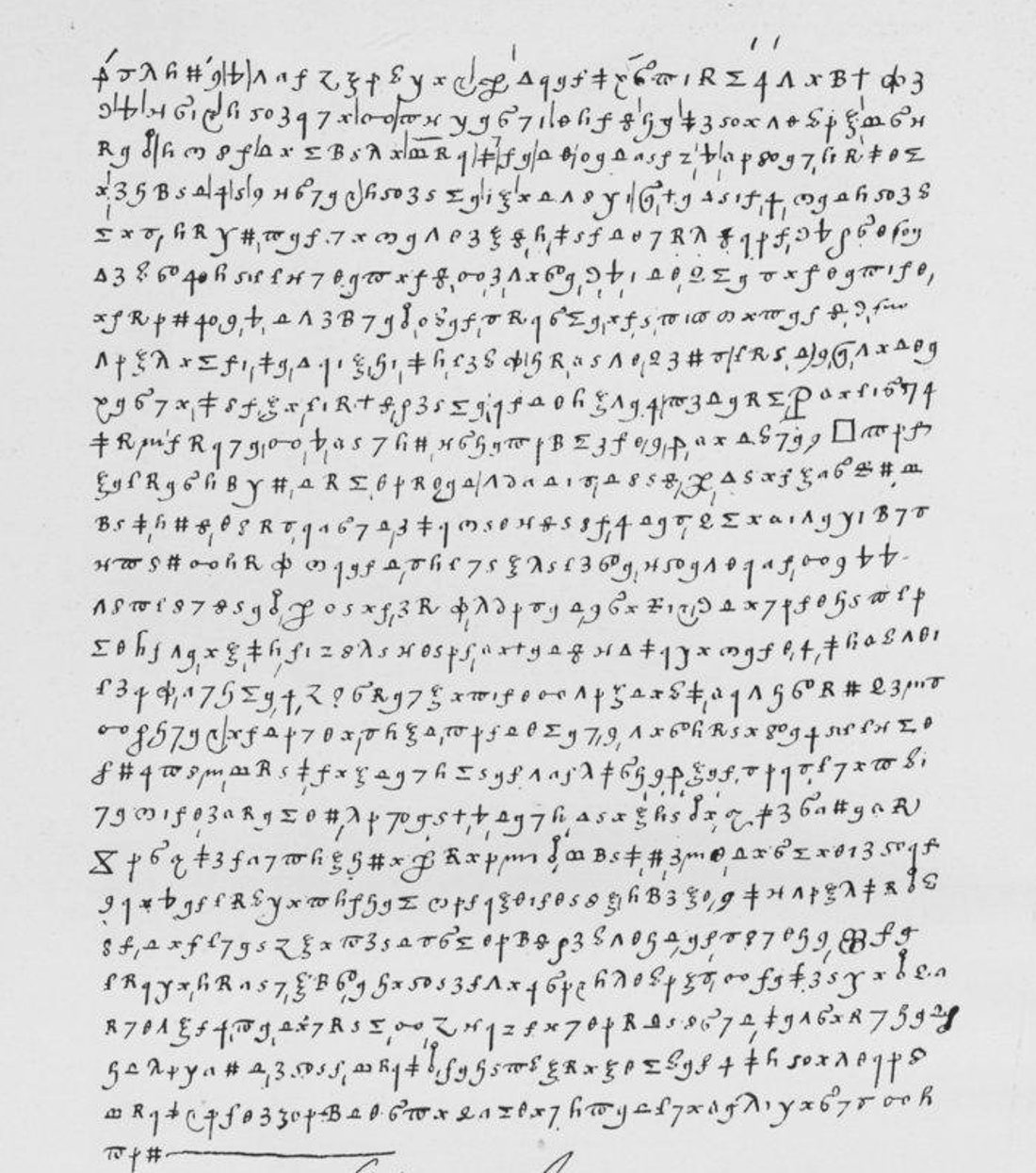 Charles IX to Philibert du Croc, undated (1565–67 or 1572) — the Scottish cipher listed as not decrypted had already been decrypted by George Lasry in 2022: preserve James VI’s attachment to France, prevent a marriage before France is consulted, and ensure “que les Anglois n’empiètent aucune chose en Escosse.” The catalogue’s 1 January 1550 date is a metadata error; Destray says the letter is undated. write-up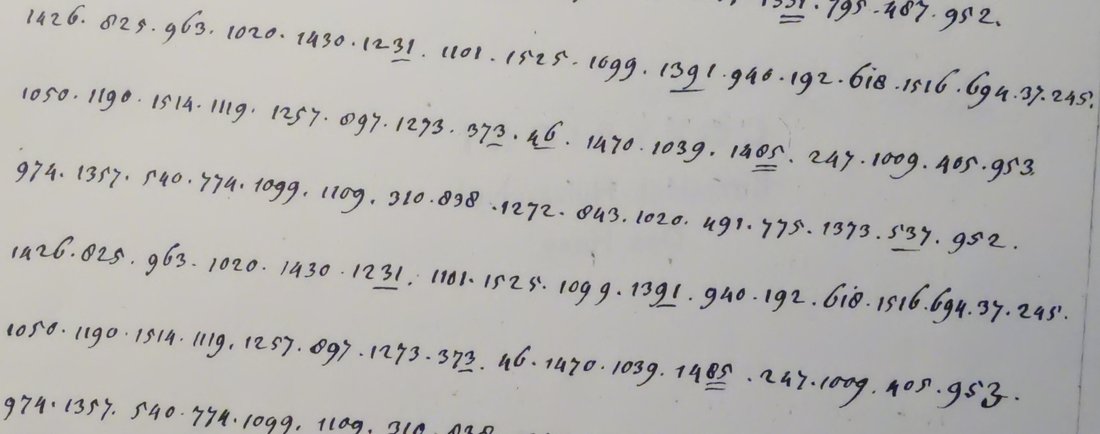
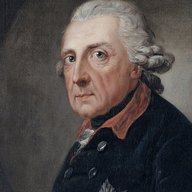 Hellen to Frederick II, 1752–1763 — Not deciphered; transcription audited and an archival lead identified. The repeated passage is on the manuscript; Fagel 5206 may supply a parallel decipherment for 1752. No plaintext verified. Progress report
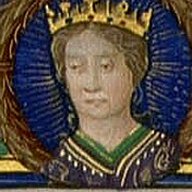 Beatrice d’Aragona, 1482–1505 — four earlier decipherments and one plain letter. Decipherments printed in editions of 1877–78; R1154 is dated 1505 and says the queen has no cipher. The March edition’s markers remain unexplained. Evidence and limits
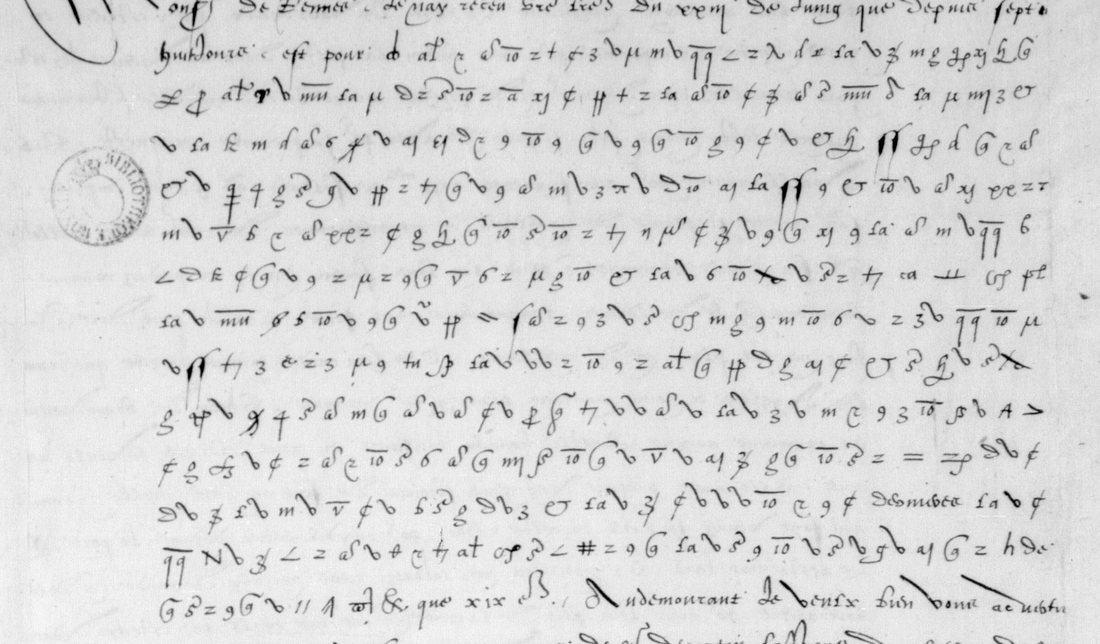 Catherine de Médicis and the bishop of Rennes, 1562–64 — four cipher letters with no known decipherment, deciphered in part. After f. 55 (31 July 1563), the three siblings in the Cinq cents Colbert: a 1564 order to drop the quarrel over precedence at the imperial court and leave a secretary behind soubz couleur d’aucuns voz affaires particuliers; Bourdin’s letter of December 1562 on the marriage overture that was known at once in Spain; and a note Rennes was to decipher himself and burn. Each secretary’s hand was calibrated on glossed letters in the same hand, and every line decoded with a language model choosing among the possible values: between 65% and 99% of each letter, about 87% overall, f. 55 now to 91%. write-up
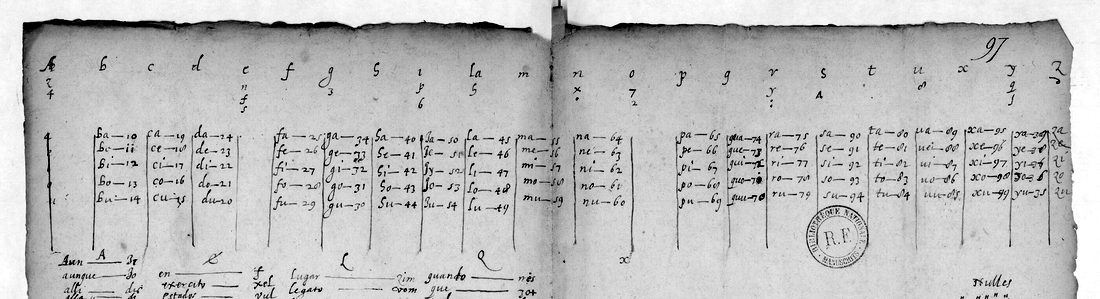 Spanish despatches of 1593: Miranda, Sessa and Ibarra — the Spanish office’s own key survives, with the nomenclature no published table has, in the Nevers cipher book BnF fr. 3995 f. 97: found by following the catalogue’s own instruction to check DECODE, whose only two hits for these correspondents are keys. It confirms Tomokiyo’s syllable table against the original and deciphers the leaves in part. write-up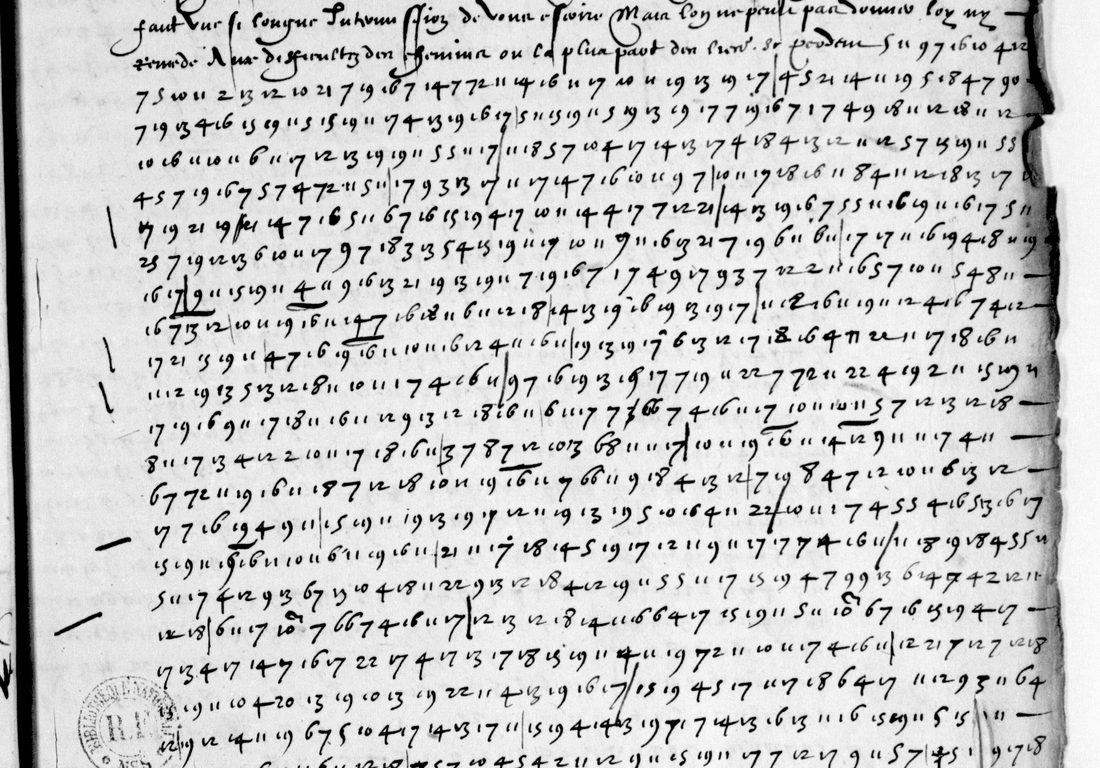
 Henri IV to Maisse at Venice, 3 November 1592 – 27 April 1593 — four leaves listed with no decipherment; two different ciphers, and Tomokiyo had already published a key for each, as images, which a text copy of his page does not show; no decipherment of these leaves was published. The 1592 key decodes f. 370 letter-for-letter, 81 of 81 characters, against a clear copy found independently in Brienne 13; it adds an omega-shaped sign for d missing from the table. f. 406 is the duplicate of f. 404. write-up
- A Jacobean codebreaker’s file of Italian intercepts, TNA SP 106/10, c. 1623–24 — seven anonymous ciphertexts shown to be one case, dated, and the cipher explained; the letters deciphered in fragments: DECODE lists them undated, “1558/1625”, sender and recipient unknown. The key the codebreaker himself reconstructed sits three records away, catalogued as a key and so outside the target list; it sets out two-figure groups read as a letter, or as a word of one list, or of a second, according to a bar or a tick — “there are numbers of woordes expressed by this difference of — over the figures”. Its vocabulary (Marques Inichiosa, Palatinato, C. Barberino, Il Principe) dates the whole file to 1623–24. The file holds three ciphers, not one, and about forty-five values of the three-figure code are rebuilt from the codebreaker’s own syllables: della loro sicurezza — write-up
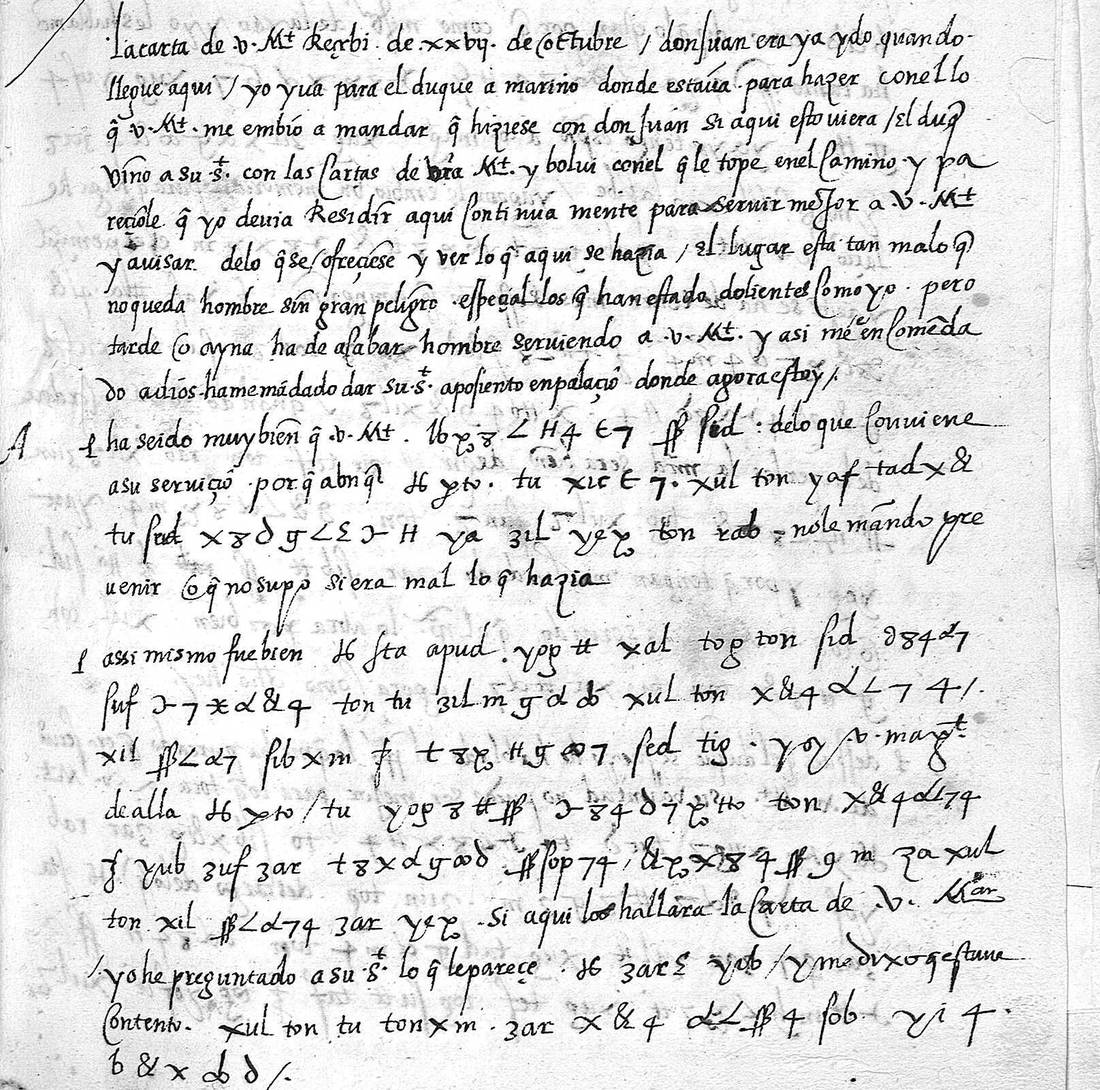 Lope Hurtado de Mendoza (Rome) to Charles V, 1522 — key recovered from the clerk’s clear versions, four letters deciphered: nine records catalogued as part of Sánchez’s Venice correspondence are in a different key, and no published key for it was found. The crib was bound with it (two of them carry the clerk’s own clear version), and the rebuilt key gives el papa unaided in a letter with no crib at all. Adrian VI temporising while the French came into Italy: “tomalo tan tibiamente que no se espera de todo bien”. write-up
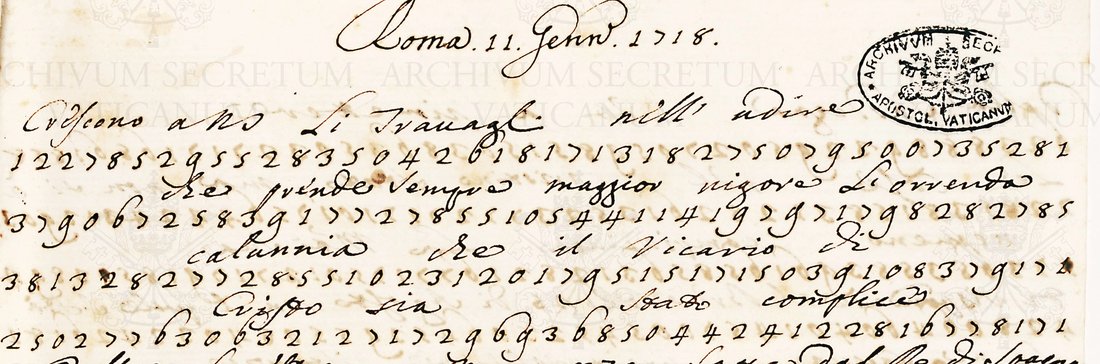 The Secretariat of State to the Nuncio in Spain, Rome to Madrid, 1718–1720 — already decrypted by Lasry, and 61 more of its nomenclator recovered: twenty-four despatches (ASV Segr. Stato Spagna 364D, DECODE R154–R177) were catalogued as a transcription job with no decipherment, but George Lasry reconstructed the key in October 2020 and filed his decipherment of the whole corpus on every record: 97.6 % of the 34,243 cipher groups, measured here. The gap was the nomenclator: 189 of the 399 four-digit groups in use had no value. The key is alphabetical in runs, so 61 are recovered from the brackets and the contexts (promozione, aggiustamento, giurisdizione, vascelli, Vicerè), and the calendar block falls into two Gennaio–Dicembre runs, with 4538 Luglio confirmed by the date of Alberoni’s promotion — write-up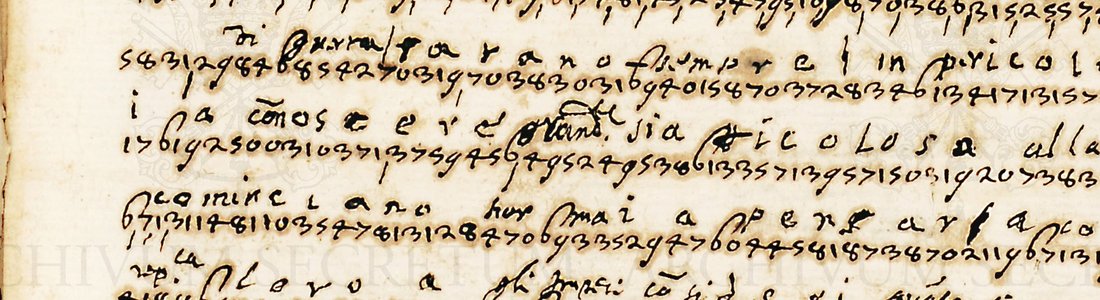
 Barberini to Nuncio Ceva, Rome to Paris, 25 September and 18 December 1632 — deciphered in part: the two letters of ASV Francia 346 that Lasry had left open: the entry listed five ciphertexts as a transcription job, but George Lasry had already reconstructed the key in 2020 and decrypted four of the eleven letters (three of the five), leaving R75 and R84. Both are deciphered here by dividing the unseparated figures into units with a language model, checked at 77.5% against the decipherment written between the lines in 1632, which in turn gives the first six values of the dossier’s nomenclator (830 = Francia). A month after Lützen Rome fears “conseguenze che tengano disunita per un lungo pezzo la Francia… impotente a soccorrer li suoi alleati” — write-up
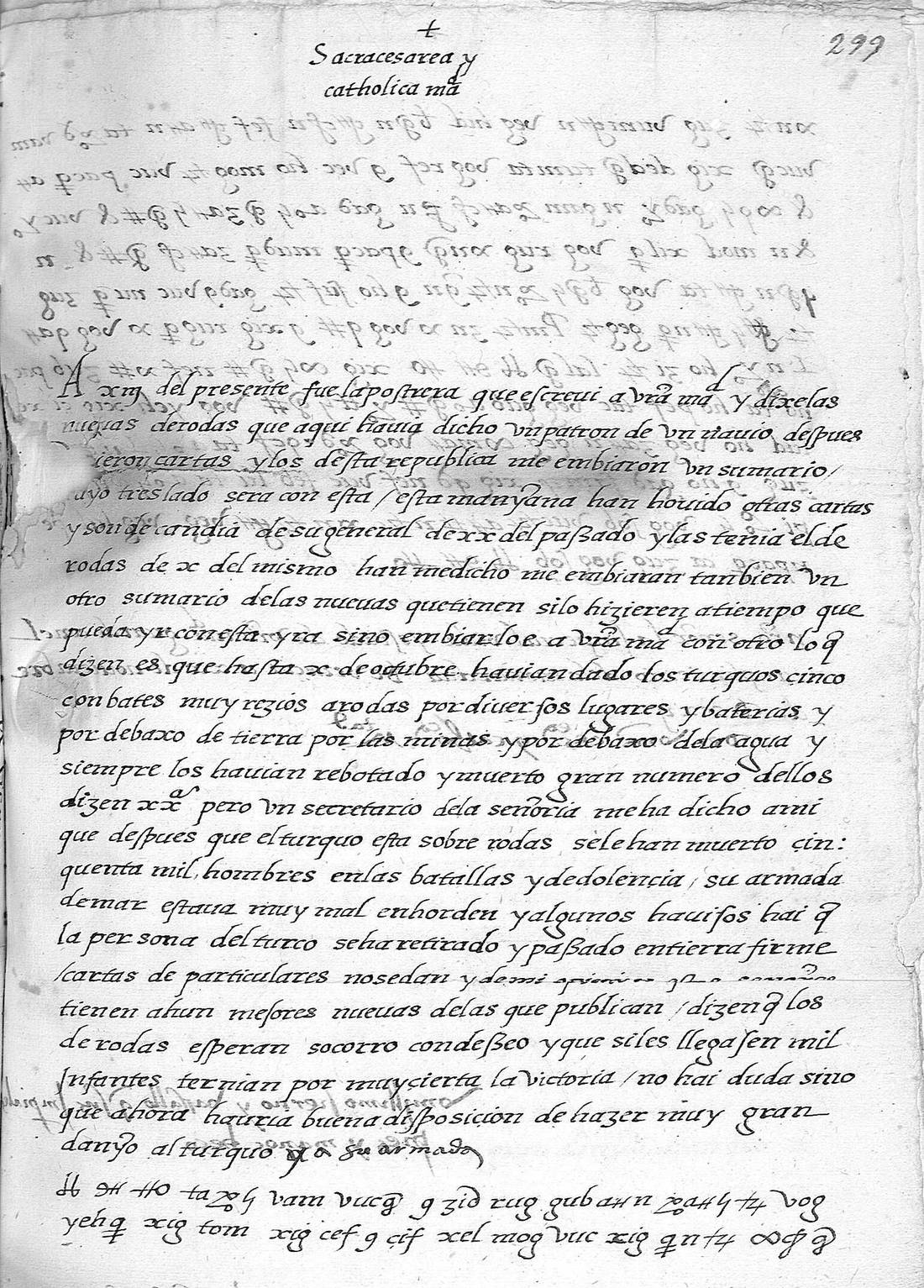 Alonso Sánchez at Venice to Charles V, 1522 — the key was already published, and the catalogue entry was wrong: Tomokiyo had reconstructed and published it a year earlier, so the entry is corrected instead: four volumes, not one, all of it 1522 and none of it the 1523 treaty, nine letters by a second ambassador, and contemporary decipherments bound in throughout. The nomenclator is alphabetically ordered, which predicted three numerals since confirmed in text; two letters beyond the published decipherment are deciphered in part here: the siege of Rhodes, and “ducados allende de los otros xviii mil … mas de xv mil ducados”. write-up
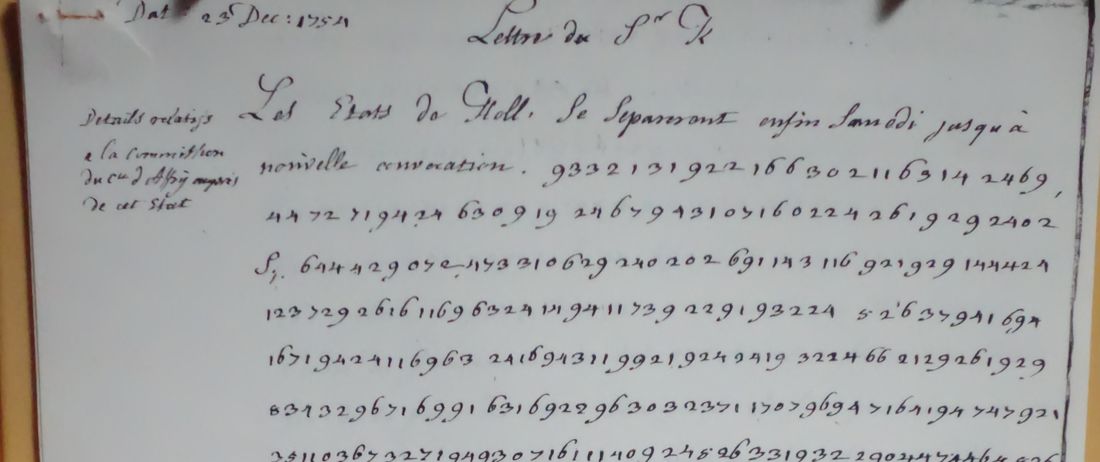 Kauderbach from The Hague to Dresden, 1754–56 — key recovered from the ciphertext alone: ten Saxon intercepts that the Hague cabinet noted it could not decipher, their unseparated figures divided into units and the values fitted to the vocabulary of his 1761 key: the augmentation quarrel, Yorke and the subsidy treaty, and the Treaty of Versailles, “une consternation extraordinaire ici”. write-up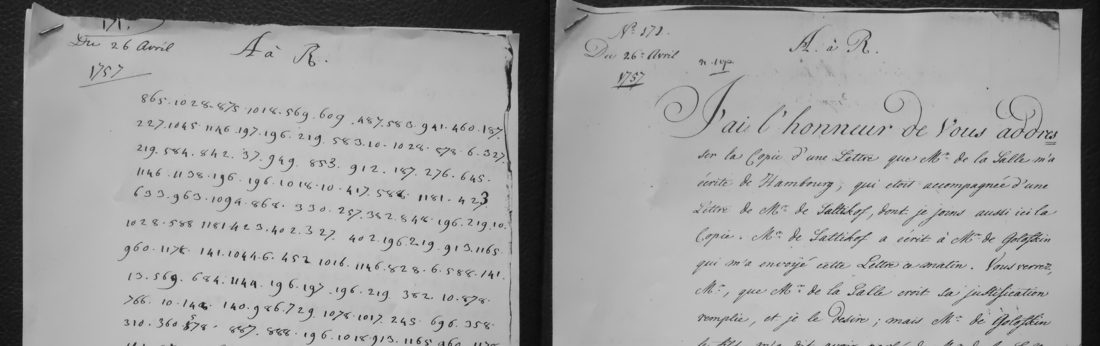
 D’Affry from The Hague to Rouillé and Bernis, 1757–58 — deciphered in part (86% of groups); eleven intercepts listed with no decipherment, the code rebuilt from Lyonet’s decipherments found among the images The Princess Governess in tears over her father, Ostend and Nieuport, spies for England and a French loan in London; Bussemaker’s 1906 extracts recur word for word. write-up
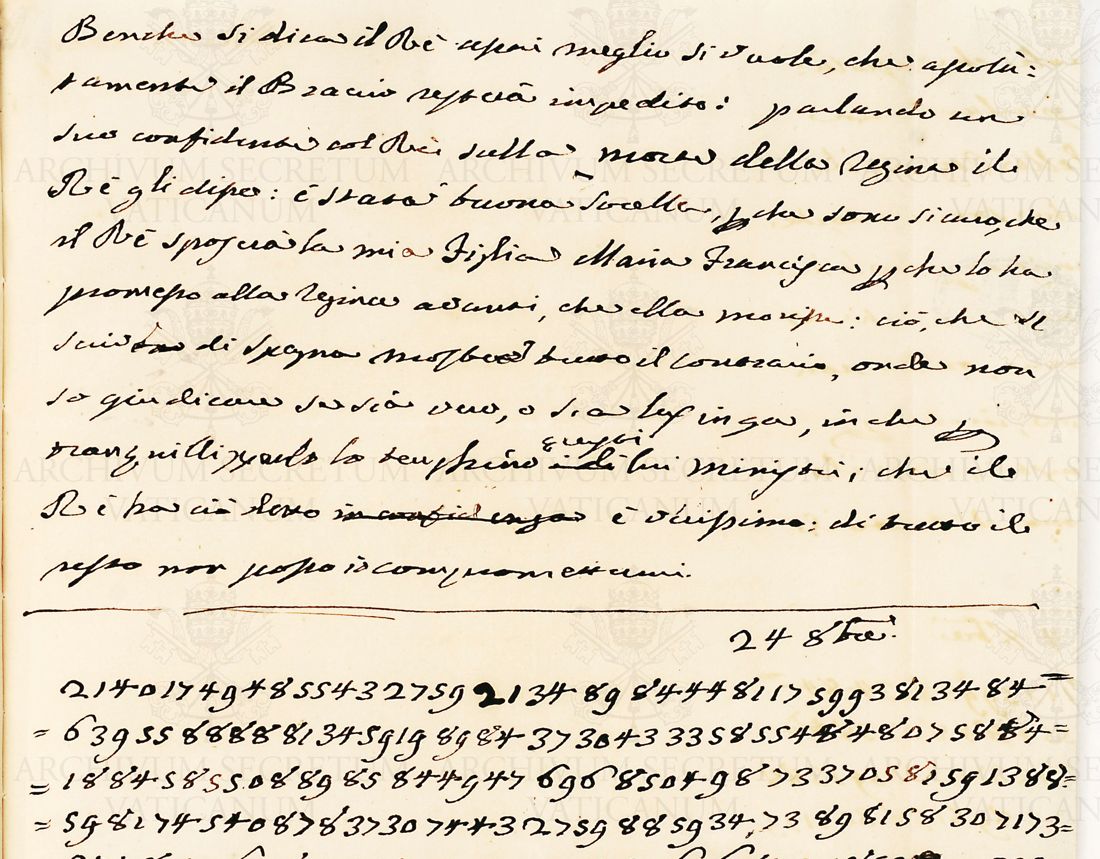 Nuncio Acciaiuoli from Lisbon, 1758–60 — deciphered with Lasry’s key: eight Vatican ciphers left as a letter stream with the code words open, now Italian with 25 codes fixed from three contemporary decipherments: the attempt on José I, “il Re molto ferito del braccio destro”. write-up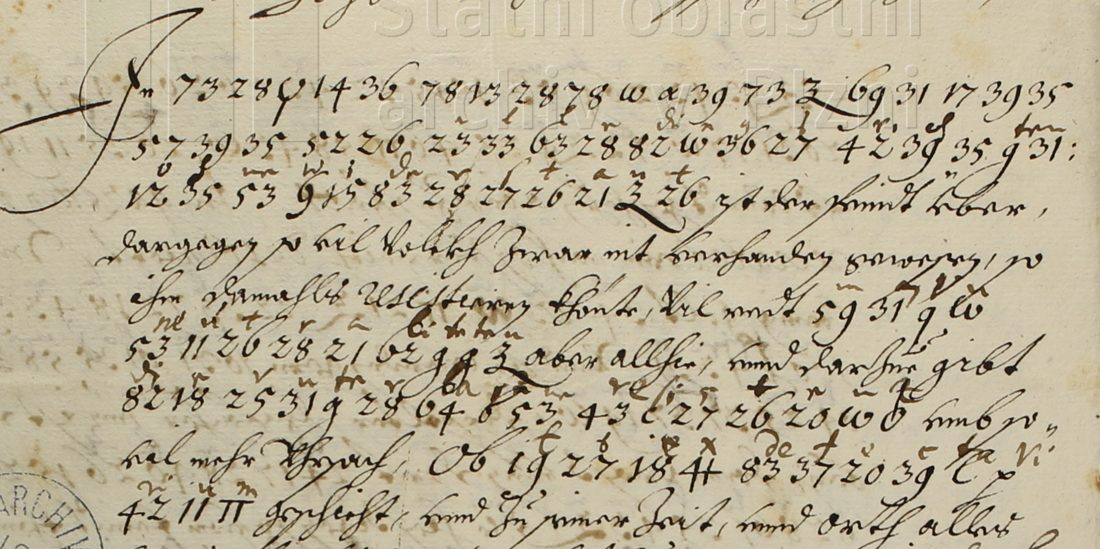
 Kurz von Senftenau to Trauttmansdorff, Hamburg, January–April 1639 — the vice-chancellor’s cipher rebuilt from one glossed page; all nine letters deciphered in part, eight with no earlier decipherment found: Banér in Lower Saxony, Arnim, the Danish mediation. write-up
- Lope de Soria to Charles V, Genoa, 1523 — eleven despatches with no decipherment, deciphered in part: one key rebuilt from a court decipherment, the other recovered from the ciphertext alone by a substitution solver; the Venetian league, a plan to take Bergamo, Andrea Doria’s first approach. write-up
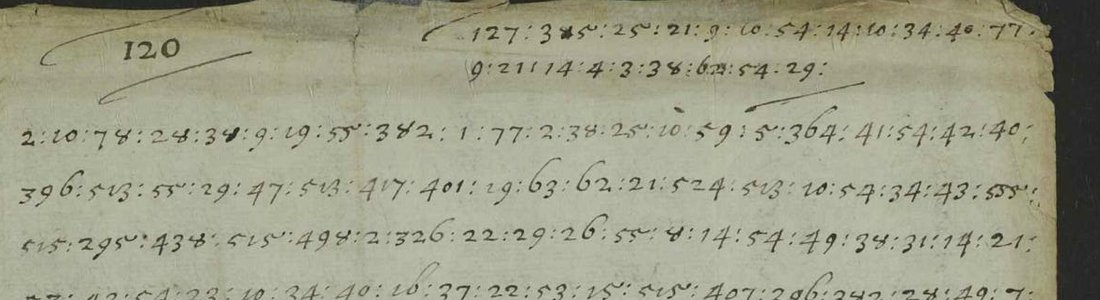
 Henrietta Maria’s household to Charles I, 1645–46 — found already decrypted by George Lasry: six SP 106/10 letters listed with no decipherment have his keys and plaintexts on DECODE since 2020. write-up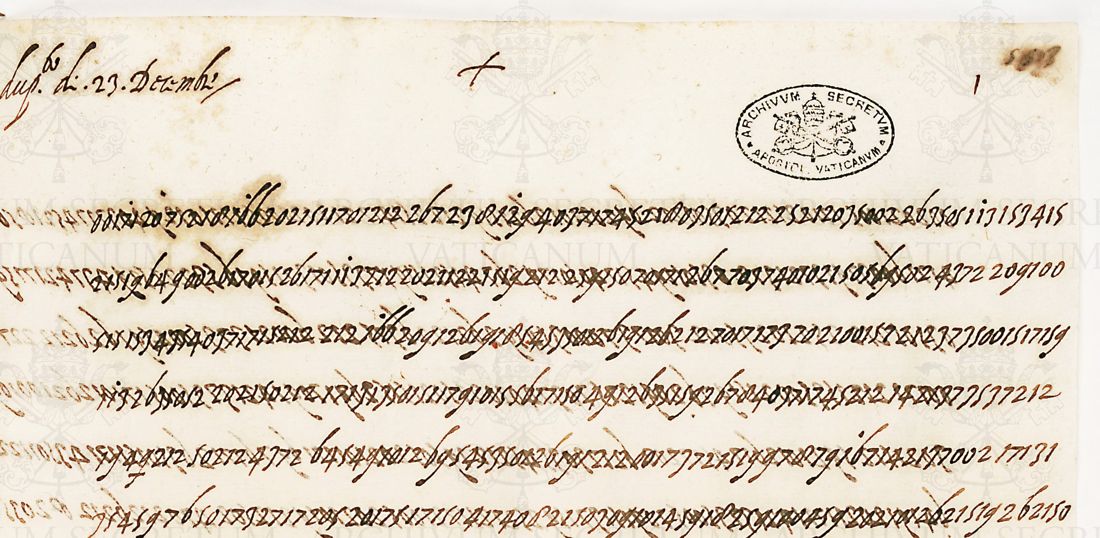
 Cardinal Morosini, legate in France, to Cardinal Montalto, 1588–89 — deciphered with the key Meister printed in 1906, as identified by Lasry: 36 nunciature ciphers catalogued as partially decrypted, 34 deciphered end to end, the unseparated figures divided into units with a language model: the Estates of Blois, Saluzzo, and the Duke of Guise “amazato a colpi di pugnale” in the King’s chamber. write-up
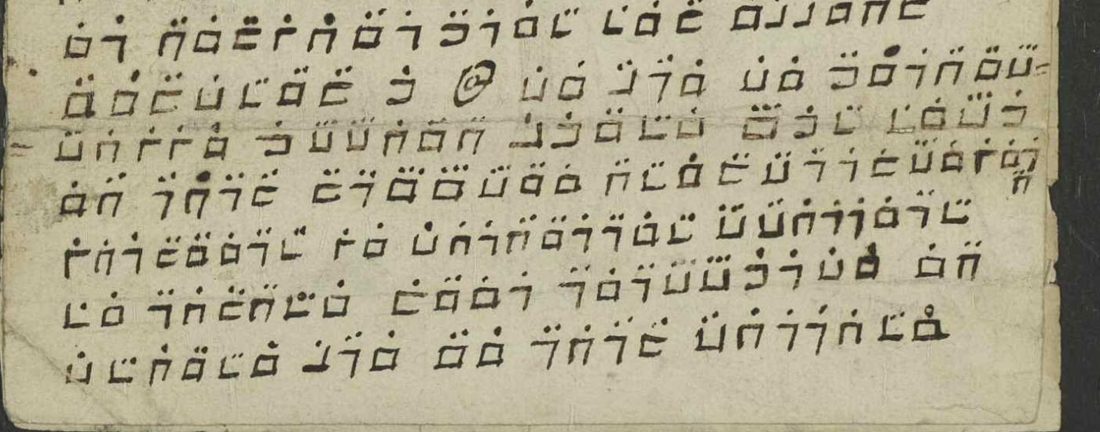 An unknown writer to “Monsieur”, 17th century (TNA SP 106/10) — key recovered from the ciphertext alone for the “masonic alphabet” letter: a homophonic pigpen hiding French; the last page is deciphered nearly in full. write-up
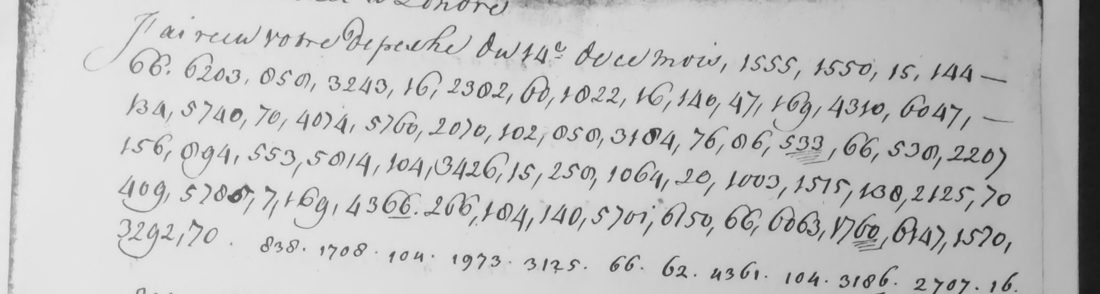 Frederick the Great to Louis Michell, Berlin, 28 December 1751 — an intercepted Prussian cipher with no decipherment on DECODE, matched to the King’s minute printed in 1882: find out whether London knows of the plan to crown Charles of Lorraine in Poland, and report to the King alone. write-up
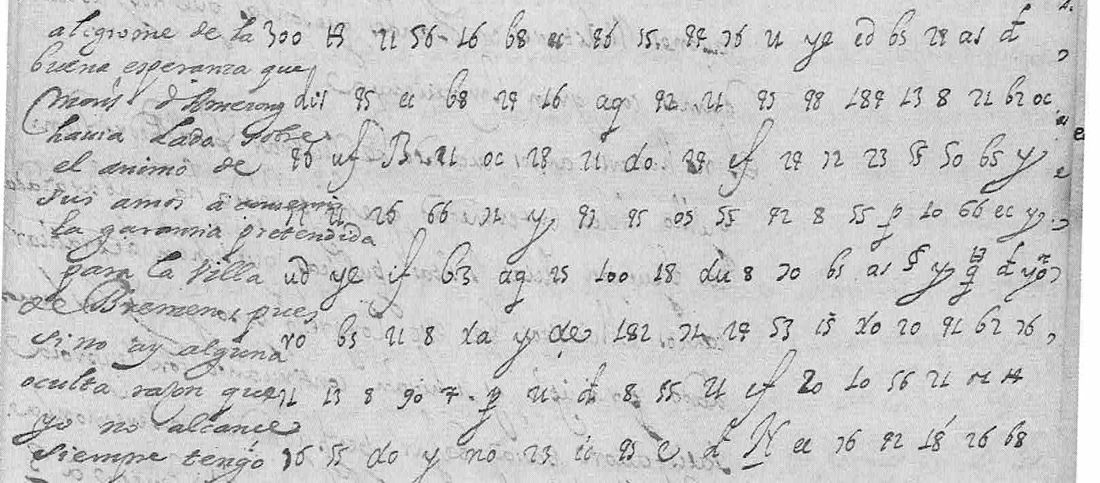 The marqués de los Balbases to Baltasar de Fuenmayor, Nijmegen, 1677–78 — key rebuilt from ten margin decipherments, since none survives; it deciphers the four letters that have no decipherment: the Imperial protest over Bremen, the Brunswick rank quarrel, and “con la pérdida de Gante estamos temiendo la de otras importantes plazas”. write-up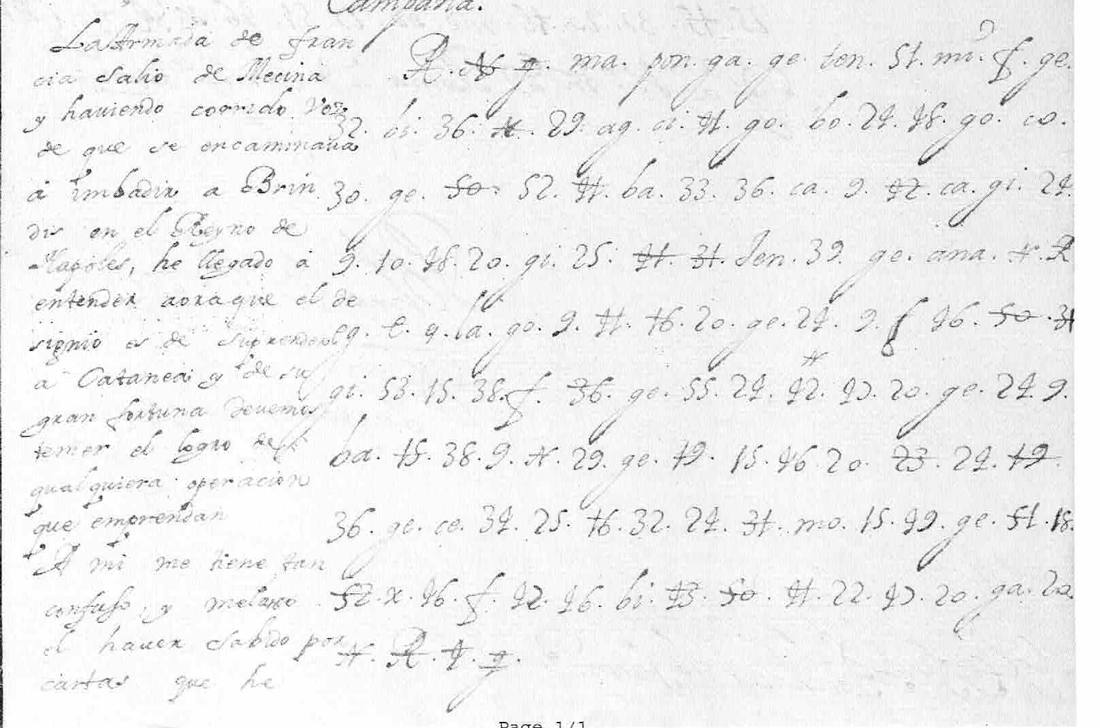
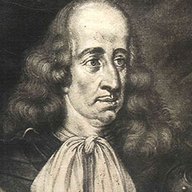 The Marqués del Carpio to Baltasar de Fuenmayor, Rome, 1677 — the Spanish ambassador’s syllabic nomenclator rebuilt from one letter’s contemporary marginal decipherment; all ten deciphered, including two listed with no decipherment: the French fleet at Catania, Orange at Charleroi, Innocent XI refusing audience, and d’Estrées at Turin. write-up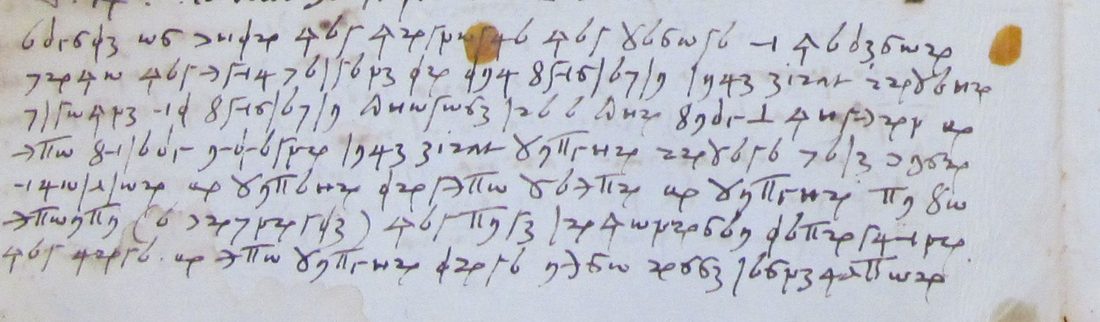
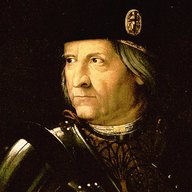 Nicolò Sadoleto to Ercole I d’Este, Pozsony, July–November 1482 — deciphered in part; the key of the Ferrarese envoy’s cipher of signs rebuilt from two sibling letters filed with their clear copies, and the seven cipher lines of 16 July, which have no clear copy, give the Venetian counter-offer to Matthias Corvinus: Veglia, a fleet command for his natural son János Corvin, and a hundred thousand a year. Two of the four catalogued letters were deciphered at the time; one faded block gives fragments only. write-up
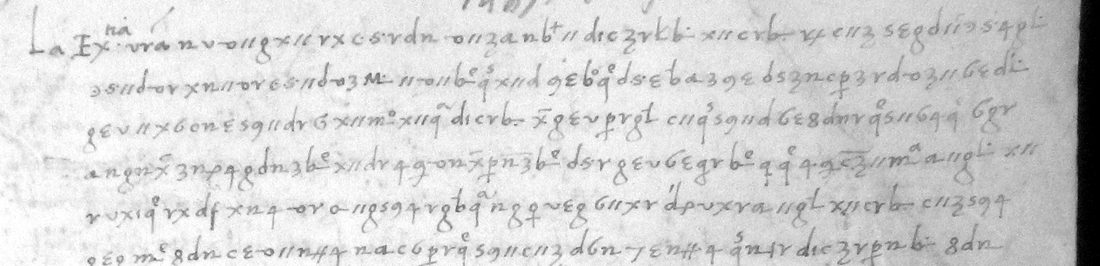 Maffeo da Treviglio to Ludovico Sforza, Buda, 22 November 1489 and 12 January 1490 — deciphered in part with the key Somogyi reconstructed in 2016, which existed only as a table of numbers, with no picture of a single symbol; apart from two lines, no decipherment with it had been published. Judit W. Somogyi numbered the signs in order of their first appearance in the letter of 2 April 1490, which survives with its contemporary clear copy, so the numbers could be matched back to the shapes; about twenty more signs came out of the letters with no decipherment (Fedrico, essere, littere, quando, figliolo). The four pages of 22 November 1489, of which only two lines had ever been deciphered, give Matthias Corvinus’s terms for the peace with Frederick III, the two rival marriages for John Corvinus, the queen’s “insaciabile ira de Iunone”, and the warning that “le littere in cifra che forono intercepte, le quale duplicate sono state scoperte ancora qua”. The letter of 12 January 1490 has the king riding for Vienna on the 8th and the ambassadors following on the 15th, which its own clear second page confirms. At the time, the oldest text deciphered in this repository. write-up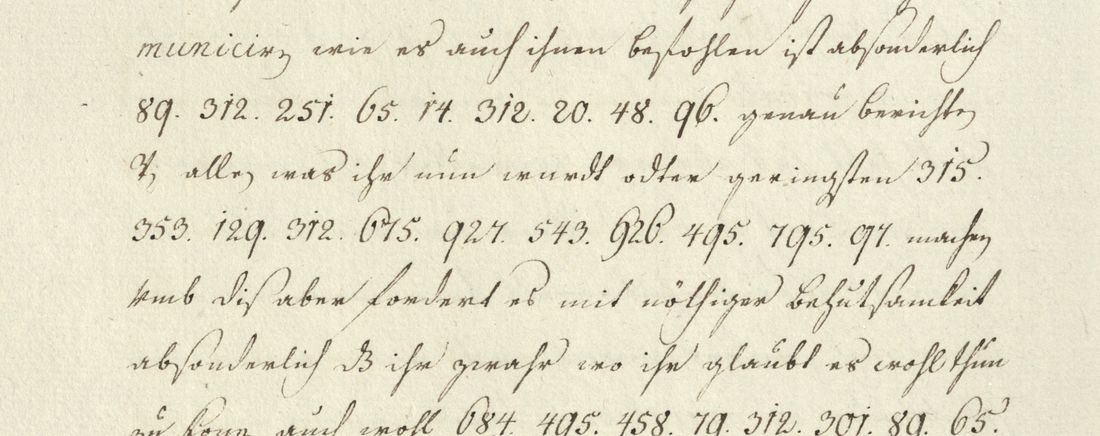
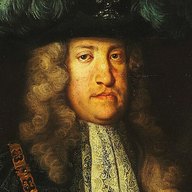 Charles VI to Count Windischgrätz, Vienna, 1720–1722 — deciphered with the two keys in the same family archive: four of the Emperor’s autograph letters listed with no decipherment: Alberoni’s fall and a feared French separate peace with Philip V, Sardinia for Lorraine, Portugal into the Alliance, and a Spanish marriage offered for his children, “beede so klein”. write-up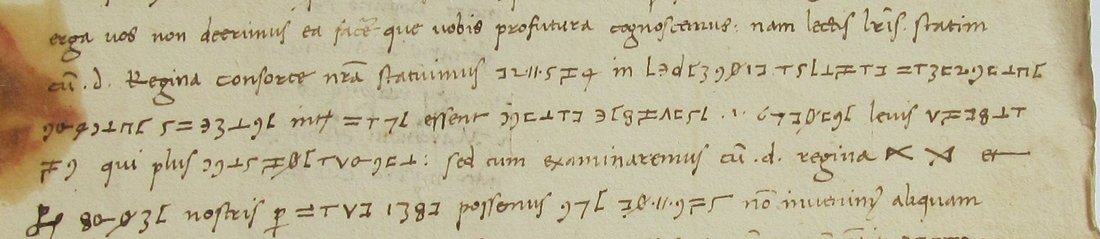
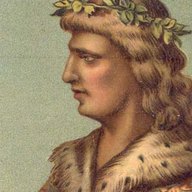 Matthias Corvinus to Ercole I d’Este, Pozsony, 1 June 1482 — found already deciphered; the King of Hungary’s cipher runs were printed in 1877 and by Fraknói in 1895, but the edition garbles four of them. DECODE R1156 lists the letter as partly decrypted. It is a one-page Latin letter with the troops, the route and the plan in invented signs, promising Ferrara five hundred horse in the first weeks of the War of Ferrara. Deciphered again from the image, the closing sentence the edition prints as nonsense is Speramus cito nos res nostras ita disposituros, ut meliori postea modo vos iuvare possemus; the hussars are those “who are worth more than the rest”, and Balázs Magyar leaves with troops, not servants. Write-up.
- The Duke of Sessa to Charles V, Rome, 18 April 1524 — catalogued in DECODE as a 1424 cipher; a century younger; deciphered in part with a key rebuilt from eight sibling letters that carry the court’s decipherment. write-up
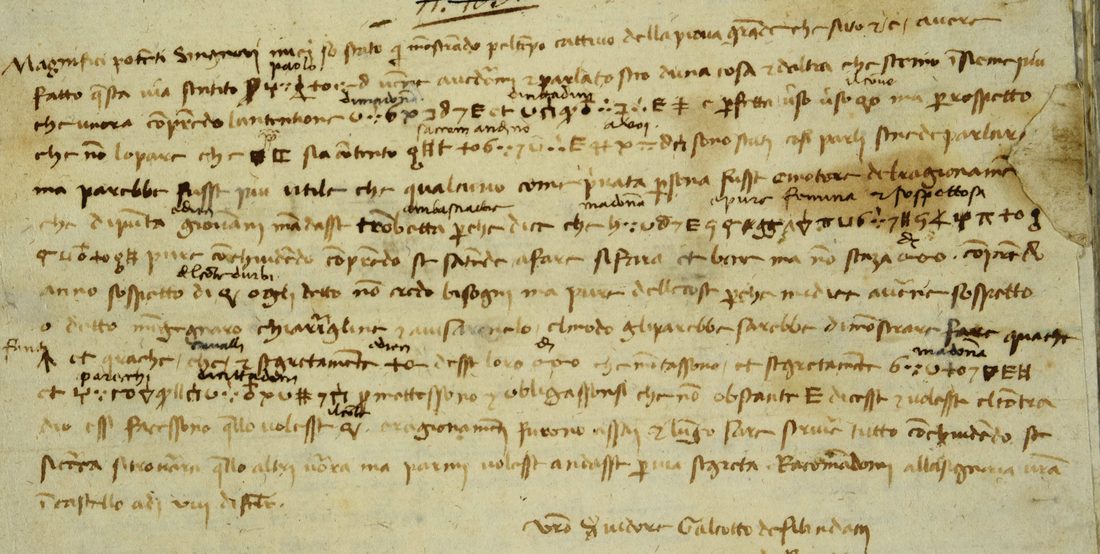 Galeotto da Ricasoli to the Dieci di Balía, Urbino, early 1425 — deciphered with the 1863 decipherer’s key: the three runs he left open decoded, his glosses extending the key: the Count of Urbino says of his wife, the Pope’s niece, “Madonna è pure femina e sospetosa”, and her relatives are to bind themselves to him in secret. Never printed; the oldest letter deciphered here. write-up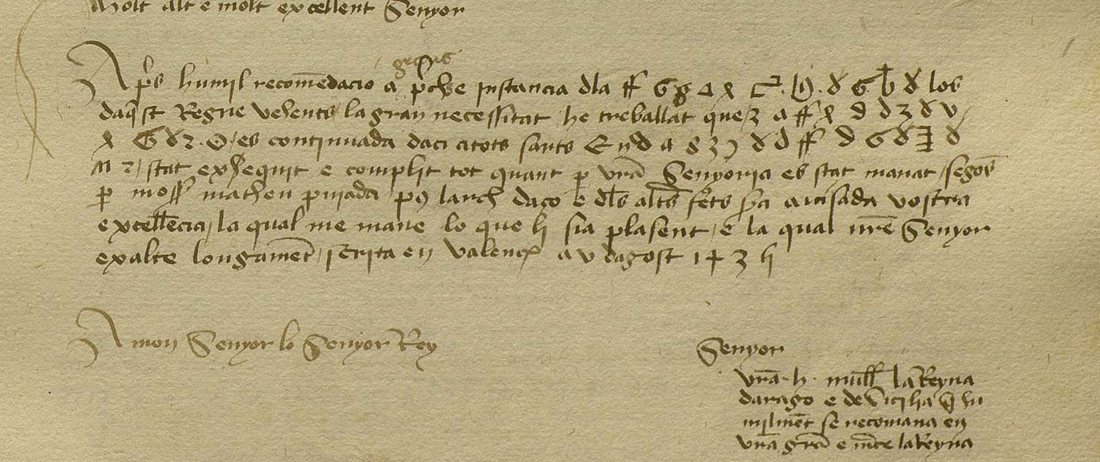
 Queen María to Alfonso V, Valencia, 5 August 1435 — attempted, not deciphered; both printed Aragonese keys of the decade tested, four neighbouring registers (1,414 images) swept with no cipher found. The 1429 key’s nomenclator seems to match the letter’s word signs for Aragon, Catalonia, the king of Castile and Navarre, but its alphabet does not; the king’s own register shows his letter to her of 27 July 1435 went in ciffra. What would finish it is in the ACA and in Valencia. ACA Cancillería reg. 3225 f. 59r. write-up
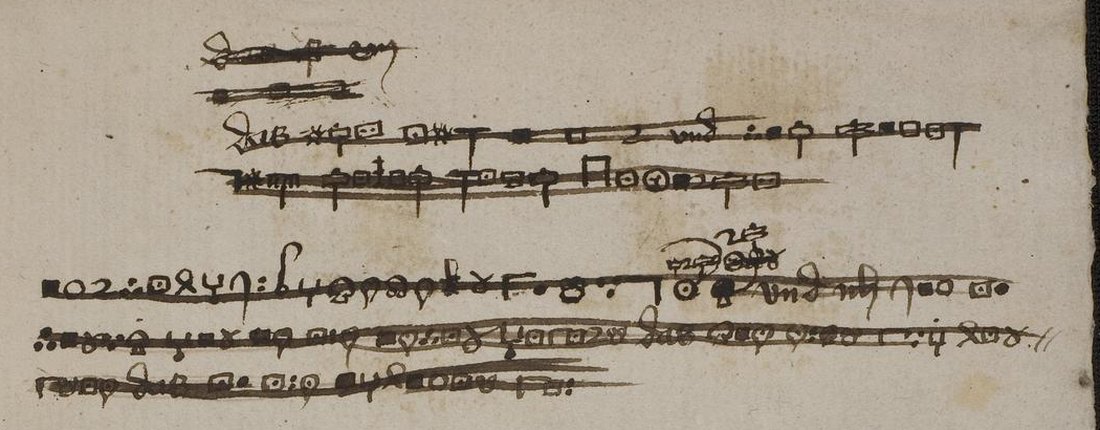 Alchymey teuczsch, an alchemists’ notebook, East Bavaria 1426 — found already deciphered; the struck alphabet on f. 1r of Heidelberg Cod. Pal. germ. 597 was deciphered by Wilhelm Wattenbach in 1869. DECODE lists the book with no decipherment, and it was on the list of candidates older than the project’s 1497 record. The compiler wrote the key as one unbroken run of signs “so that no one should understand that it is an alphabet”, and struck it through. That alphabet and the one of the f. 6v invocation are recovered from the images and checked against Wattenbach’s plaintexts; a third set is partly fixed from the Heidelberg catalogue’s decipherment of f. 93r. The “ff. 70–71” in the candidate list were Bischoff’s item numbers. Write-up.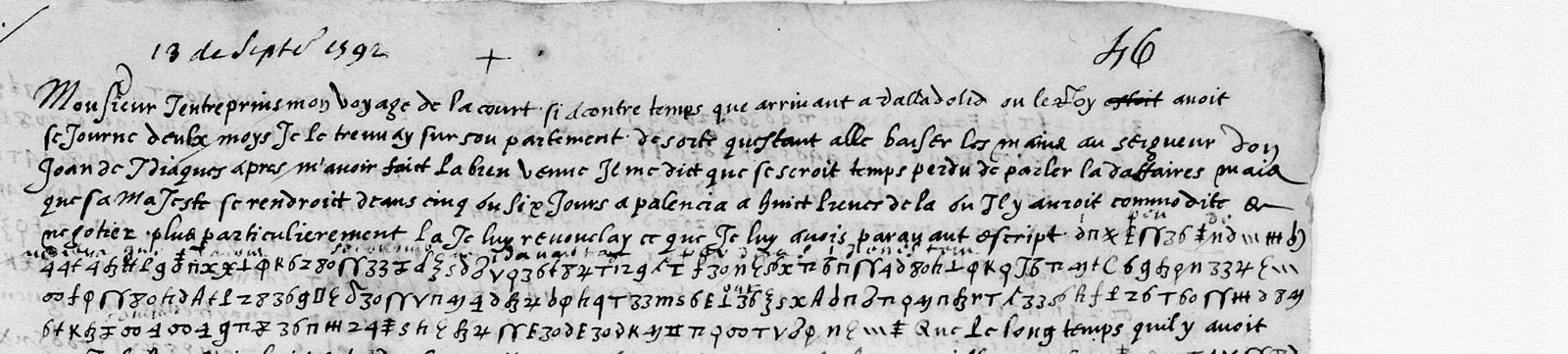
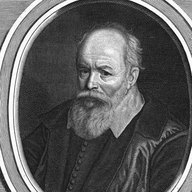 Pelissier to Jeannin, Burgos, 13 September 1592: partly deciphered — 93 % of the plaintext words now deciphered, after calibrating the key on Pelissier’s own deciphered letters. The first pass over the League agent’s nine pages stalled at half to two-thirds, on look-alike signs merged in transcription. Pelissier’s October letters, nos. 45 and 46, were aligned with their clear decipherment on f. 115, 1,764 signs, which split them with known plaintext: the plain 4 is n, never t; the tailed ⊤ is s; the hooked δ is c. Every page deciphered again: open words 413 → 256. New: the ducats payable at Madrid “ou je me pouvois retirer avec les ambassadeurs”, “un corps de sept ou huit mil Alemans”, Mayenne’s credit being cut down (“Dieu veulle que je me trompe”), and code groups 310 (probably Savoy) and 441 (probably France). write-up
 The prince de Conti’s ciphered mémoires, March 1649 — nos. 41–42 deciphered again with Lasry’s published key; no. 43, a different code whose contemporary decipherment is unfinished, key rebuilt from its glosses. BnF fr. 3854 nos. 41–42 (26–27 March 1649) are Lasry’s 2023 poly-homophonic cipher, deciphered again here from a fresh transcription, with three small corrections (ne pouvant, pour insister, B<l>etaigne). No. 43, meant to be their crib, is a different number code of letters and syllables whose clerk never glossed its first twelve lines. The key was rebuilt from about 3,300 glossed groups: four interleaved alphabets, five-syllable blocks, underlining reverses a syllable, 99–250 nulls. It gives the opening, Pour Monsieur de Legue …, and the whole mémoire is edited: Conti to Laigue, 5 March 1649, the day after Rueil opened, promising the Archduke that the conference will be broken off the moment he enters France. Write-up.
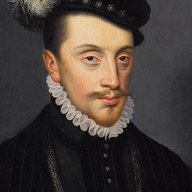 Charles III of Lorraine to the comte de Vaudémont, 18 June 1592 — key recovered from the ciphertext alone, partial; DECODE lists this piece with no decipherment and the glyphs are ordinary cursive letters (Tomokiyo had reported reading it in 2025, opening line only, found after this reading). BnF fr. 3621 no. 97. The verification step answered negatively first: no. 22 is a plaintext decipherment with no cipher on the sheet, so the hoped-for crib does not exist, and no key is published; four candidate 1592 key sheets in the Nevers key book fr. 3995 were fetched and all four eliminated on their own evidence, one of them endorsed “Chifre d’entre le Duc de Parme et le Roy Cath[olique]”. The earlier attempt failed on shape clustering it never needed. Per-line crops give 1,071 letter symbols in 44 forms plus 38 nomenclator figures; the coincidence statistics place the cipher between monoalphabetic and fully homophonic. The old solver was then proved inadequate on controls with known keys (37–56% of letters at −2.64 where the true key scored −1.62) and replaced by a steepest-ascent search recovering known keys at 98.7–99.6%. Two traps closed on the way: free nulls let the search beat French at −1.70 by deleting every hard position, and selecting on raw score picks a degenerate all-e key. The recovered key is verified against the manuscript as well as the model (the group spelling chasteau occurs twice in the cipher and Chasteauvillain stands in the clear on the same page), and yields unprompted munitions, prisonniers, promesses, resolution, secours, conserver la plaine and ramener mon armée … es quartiers de la Faulche. At −2.10 the result matches controls with 6–12 systematically merged glyph pairs: about a quarter of the glyph identifications are still wrong, and that, not the cryptanalysis, is what now limits it. Full write-up →
 A Catalan letter to the King of Aragon, Barcelona, 2 May [1413–16] — found already deciphered; the oldest item on DECODE with a public image is a word-chunk transposition that Xavier de Salas printed in full in 1931. ACA Reserva 12, listed with no decipherment, as a cipher of unknown type, “ca. 1420”. The slashes cut the Catalan into chunks and the chunks run down the lines of each block, the blocks marked by dots in the margin; the writer’s clear postscript tells the King not to be put off reading it. The rule is checked on the image (Senyor, jo us auie quezacom escrit de so que asi s’és feit…). A royal financial officer in Barcelona, with Roger de Pallars, urges Ferdinand I to leave València and hold the corts, and defends his accounts against a royal order to Berenguer de Relat. The DECODE record cites the article and keeps the status. Write-up.
 A letter from Rome to the abbé d’Orbais, 23 August 1589 — deciphered in part with the Nevers–Piles alphabet; none of the three keys bound in the volume fits. BnF fr. 3413 no. 62 was catalogued on the hope that one of the keys at nos. 53, 61 and 69 would decipher it. They are a numerical key, an Italian key for Piedmont, and a League key whose square sign is e, and none of them fits. The letter, from a secretary of Cardinal Pellevé to Jean de Piles of the League’s Paris council, is almost all in clear: the news of Henri III’s murder reaching Rome, and “l’on a proclamé Roy a Paris Mons. le Cardinal de Bourbon”. Its cipher is the Nevers–Piles alphabet Tomokiyo identified, filled out here from a deciphered letter of 1586 in fr. 4715. It gives Cassin, la protection, vostre regne, depeschera, mon maitre a esté retiré and the signature, probably Baron. About thirty signs, mostly code signs, are open. Write-up →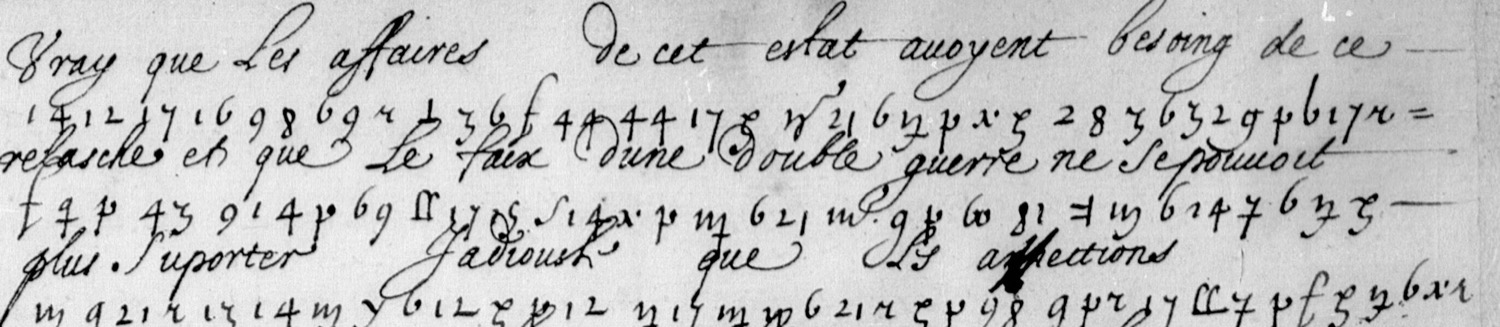
 Herbault to Béthune, 13 February 1626 — decipherment found: the one letter listed without a decipherment is one of two copies, and its twin carries the 1626 decipherment. BnF fr. 3669 no. 25 was the single piece marked “avec chiffre” without “et déchiffrement” among some thirty of 1625–26. No. 26 is the same despatch with the plaintext written between the lines: the clear text runs word for word, the cipher falls at the same points, and the groups match where checked. The ciphered passages carry the substance: the papal Legate and “le Pape pour l’acheminement de ces troupes in la Valteline”; the candid reason for the Huguenot peace, “le faix d’une double guerre ne se pouvoit plus supporter”; the Dutch squadron sailing home with the Huguenot admiral “sans permission de Sa Majesté”; and the prince of Piedmont’s propositions, which “tendent à engager le Roy à la guerre avec l’Espagne” six weeks before Monzón. Full write-up →
 Sormano and Passano from Ferrara, February 1529 — deciphered with George Lasry’s published 2023 key, after eight attempts on the microfilm failed; 20 of the 22 values derived here independently agree with it. BnF fr. 3096 nos. 63, 65 and 66. The cipher uses about thirty-six symbol forms for some twenty values, which a 1960s microfilm will not separate, so the attempt was written up as a documented negative. The key had been published all along, on a Cryptiana page I had not searched, in a table built from this volume’s own glossed control f. 113. Of the 22 values derived here independently, 20 were right; the two wrong ones (figure 4 = i not e, figure 3 = a not o) were what had blocked the decipherment. Verified end to end where the twin’s clear text controls the cipher, it gives the Duke’s answer: “risolutamente concluse per cosa dil mondo non voler … se alcunamente accetare il regno”: Alfonso d’Este refusing the kingdom for nothing in the world. The write-up also records two claims it previously got wrong. Full write-up →
 An anonymous numerical cipher of October 1586 (Clairambault 357) — decipherment found: the “two thirds unread” were deciphered in 1586, on the next leaf and between the lines. BnF Clairambault 357 f. 167 is a letter in two-digit figures of 28 October 1586 for which Tomokiyo published part of the key. Folio 168 is a clear text of the cipher down to a cross mark, and from the cross to the end the decipherer wrote the plaintext over the figures. The key agrees with the glosses, which add 87 = e and the King of Navarre’s sign. The writer, a Catholic of the Angoumois, reports that Fumé, visadmiral de Guienne, tres confident du Roy de Navarre keeps proposing a reconciliation between Navarre and the addressee, probably Guise. Write-up.
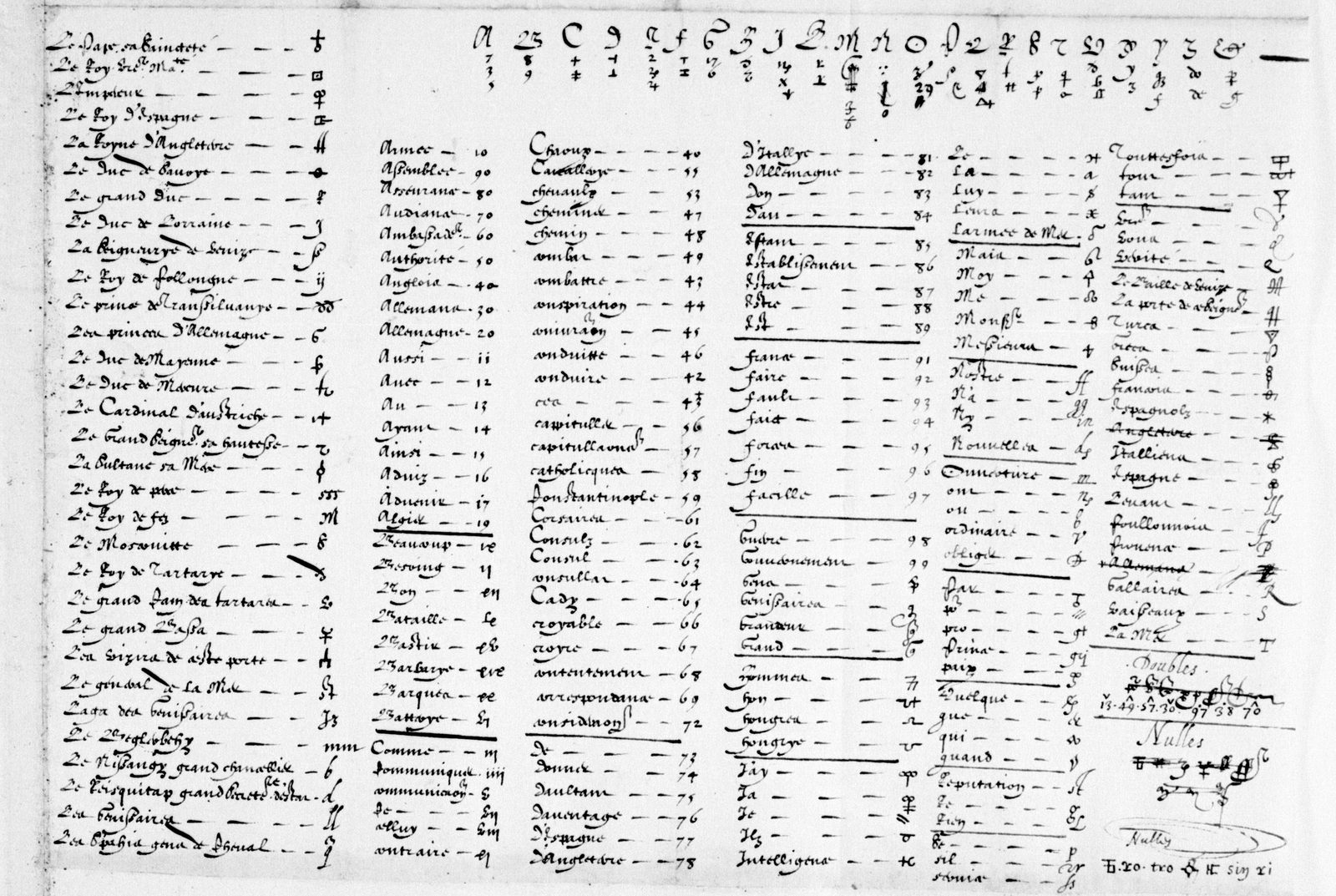 Henri IV to Savary de Brèves, ambassador at Constantinople, 1603 — resolved from print, not deciphered; the key and a contemporary clear copy both survive. BnF fr. 3541 holds twelve ciphered letters of 1603, not the two usually cited, and they are listed with no decipherment. The office’s key is BnF fr. 3462 f. 103, whose figures match what Tomokiyo recovered (aussi 11, faire 92, fault 93). Berger de Xivrey printed the letters in 1853 from a copy in clear: 18 February, 31 March (the “1 March” of the lists) and 17 April in full, the other nine as summaries. That text corrects Tomokiyo’s partial f. 60 overlay (revolteur d’Asie, protestans). Fr. 3541 is not digitised, so the letters have not been deciphered with the key. A second clear copy of all twelve turned up in BnF fr. 4029 (ff. 118–128), a register of the King’s letters to Brèves; it is not online either; eleven folios of it would give the nine summarised letters in full. Write-up →
 The Marquis del Vasto to Charles V, and a letter to “Garbino”, 1527–28 — two of three deciphered: one already decrypted by Lasry, one deciphered here with his key except about fifteen code groups, one without its key. BnF fr. 3022 nos. 6, 10 and 20 are imperial papers in French hands, listed with no decipherment. No. 10, del Vasto from Ischia on 27 September 1527, had been decrypted by George Lasry and edited by Satoshi Tomokiyo. No. 6, catalogued as an anonymous report, is del Vasto’s own letter from Rome of early December. Lasry had its letters but not its three-letter code groups; about forty are identified here from context (doz Lautreque, deh la Marca, dnb dinero). It gives his plan to secure Siena and take Perugia and Urbino before the army starved. No. 20, from Madrid on 11 April 1528, is in the initial-letter code of Hieronimo Ranzo, Gattinara’s kinsman. The numbers do not follow the alphabet. All 1,315 groups and 2,600 more from Ranzo’s letters are transcribed, but a solver that gets 9 % of groups on a control yields only the function words. Write-up →
- Vatican Part 5, 1542: the manuscript images — the DECODE images and the sibling letter examined: an image-verified transcript, and the printed Farnese keys excluded under any renumbering. DECODE’s transcription is the challenge text itself; the 400 dpi images correct 151 digits (four groups copied twice on f. 71v, struck digits, some 20 missed dots) but carry no separators and no decipherment, as Lasry said. The sibling letter IA-1 is another key. Doubled digits run at 0.30 of chance, against 0.82 and 0.63 for Meister’s keys 1 and 2 however renumbered. Still not deciphered; the key or the clear copy is the route in. Full case →
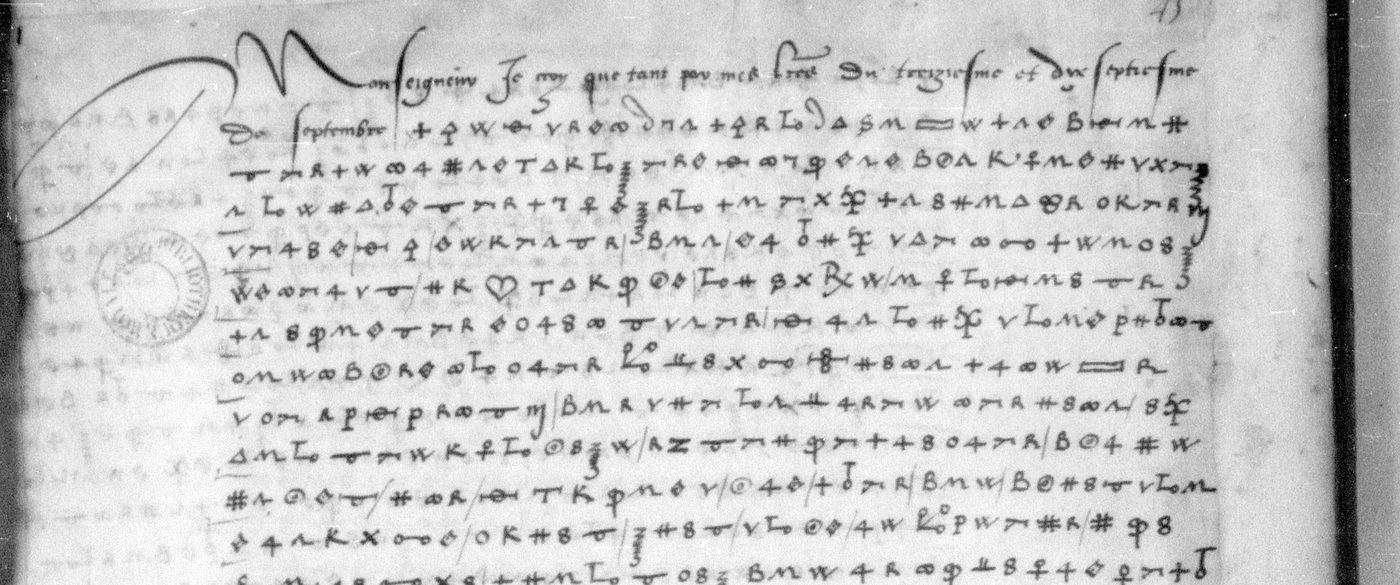 Gramont, Mâcon and Langeac to Montmorency, 1529–1537 — deciphered with Lasry’s keys: four letters in four keys that Lasry reconstructed in 2023, when he also deciphered all four; his decipherments were not posted. The catalogue asked whether the four shared a cipher; they do not. Deciphered with the published tables: Saint-Pol seeking leave from Venice in January 1529; Gramont’s five pages of solid cipher of 11 October 1529, with Clement VII dreading a general council he means to grant and then stall, offering to feign illness on the road to Bologna to wait for the Admiral Chabot, and troubled by a dream; the princes’ return in 1530; Paul III threatening in 1537 to declare for the Emperor if the Farnese marriage is refused. A slip pasted into the Mâcon letter proved to be a contemporary decipherment and agrees with the decipherment. Write-up.
- Pelissier to Jeannin, Burgos, 13 September 1592 — deciphered in part with Tomokiyo’s key; nine pages the catalogues list as only partially deciphered. The League’s agent at Philip II’s court, BnF fr. 3982 no. 22. Tomokiyo’s key for Pelissier’s October letters fits, and the decipherer’s scattered glosses agree with it; code 315 is the Béarnais. About 18,400 signs transcribed and decoded with a language model of period French choosing among values; half to two-thirds of the cipher gives sense. Philip grants 500 ducats; Pelissier argues against holding the Estates now and for two armies at 300,000 écus a month, and reports the case being made in France for Navarre. The gaps come from look-alike signs merged in transcription, not from the key. Write-up →.
- Bordeaux to Brienne, London, 30 May 1653 — deciphered with the English decipherers’ own key sheet; the 16 September failure explained. The French envoy’s despatch intercepted by Thurloe, 810 cipher tokens. BL Add MS 32263 f. 1, catalogued on DECODE as a 1653 key for “Mr. Bordeaux”, has the very design the solver assumed: plain 15–37 the alphabet, three marked series of syllables in alphabetical order. It did not decode the provisional transcription until that was checked against the page images, which had two signs merged as d (ꝺ = u, ∂ = n) and tokens and marks dropped. The Council heard rebel Bordeaux’s deputies before Cromwell gave the King’s envoy his audience, and Brienne is told to hold back French mediation. Six name codes stay open. Write-up →
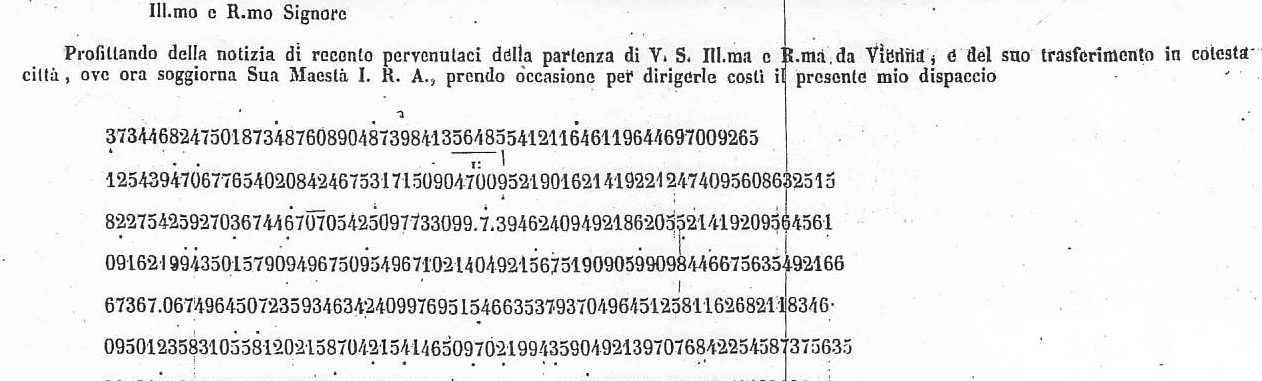
 Cardinal Soglia to the nuncio Viale Prelà, Rome, 15 June 1848 — key recovered from the ciphertext alone; a papal cipher intercepted at Turin and printed by Mazzini’s paper with a prize for its reader, open on Cipherbrain since 2014. 955 digits. The digit 5 separates words (92 of 102 runs are even), 8 never ends a pair, and the pairs of the other eight digits form a 64-cell table of letters, homophones and syllables; 8XXX is a one-part code whose values rise with the alphabet (Imperatore 8319, istruzione 8340 … Roma 8620). Simple substitution fails where a matched synthetic control is solved exactly; a letters-and-syllables annealer gave circostanze, intendendosi, indirizzata, and the rest was worked out by hand. It is a counter-order: the nuncio, told earlier to ask for his passports after Lützow left Rome, is to stay with the Emperor; the order is sent “per tre diverse vie” and is to be shown to Mgr Morichini. The Dizionario Biografico has him leaving Innsbruck for Frankfurt and Cologne on 14 June, the day before. Eleven code groups stay open. Transcription by Joe (Cipherbrain, 2014), one digit corrected. Write-up.
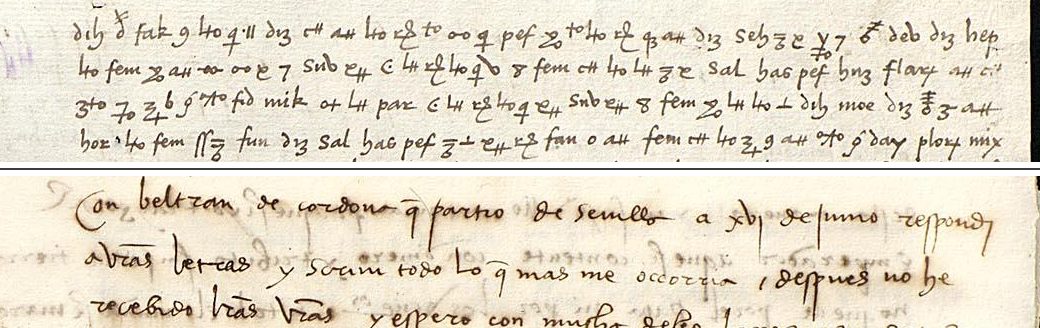 Ferdinand the Catholic to Jerónimo de Vich, 1511–12 — key rebuilt from deciphered siblings; three cipher-only letters from the King to his ambassador at Rome deciphered with it. AHN Estado 8715 N.45 (Seville, 4 April 1511), N.57 (Burgos, 5 June 1512) and N.60 (Logroño, 1 September 1512) are wholly in a nomenclator of homophones and three-letter code groups, and unlike the others in the Vich papers they carry no decipherment. Lining up N.46 and N.52BIS with the clerk’s decipherments gave the alphabet and the common groups, and the key then deciphered three letters it was not built from; 153 groups are now known. Julius II’s new cardinals and his dealings with Venice sin dezirme ni comunicarme; Ravenna, where the viceroy was pressed to fight against orders, and echar la soga tras el caldero; Massimiliano Sforza for Milan, and las armas espirituales against Louis XII. The 1515 letter N.73 is another system and is not deciphered. Terrateig’s 1963 edition of the correspondence was not seen and may already print these letters. Write-up.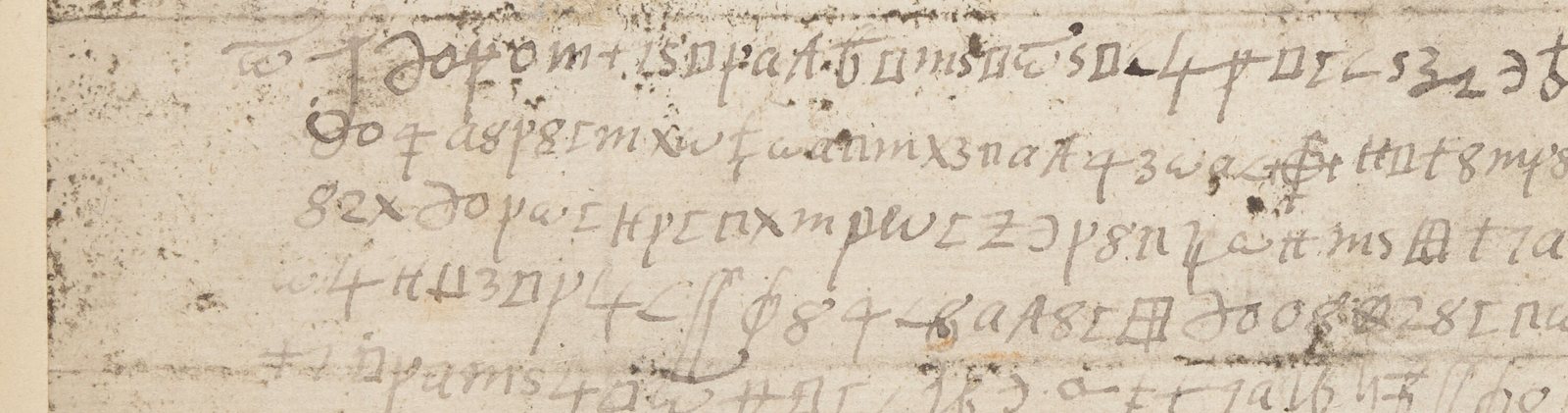
 Mary Queen of Scots to the Duke of Norfolk, “the 20th”, 1570 — deciphered with Tomokiyo’s key; the one letter of the Norfolk series with no contemporary decipherment. Cotton MS Caligula C II f. 74r is 23 lines of cipher dated only the tventi of this instant, listed on Tomokiyo’s cryptiana page as having no contemporary decipherment. He rebuilt the key from the three deciphered siblings and overlaid a partial decode, letter by letter. The key was checked on f. 66r against its decipherment, and the letter deciphered from the British Library’s new IIIF images, stitched from 1,024-pixel tiles. Written weeks after the Regent Moray was shot at Linlithgow: Mary thanks God for delyvring us of our [enemy] Murray, and says Elizabeth sueves me the veyt of Murray death; Norfolk is to write to the B[ishop of Ross] or through your sister Scrup, and not hasard you to vreyt your self. Five nomenclator signs and a few words are still open. Write-up.
 German police double-box radiograms, 27 February and 16 June 1942 — attempted, not deciphered; the five February messages are one key, and the second pass through the same boxes defeats every ciphertext-only attack, on the real text and on its control. Frode Weierud’s six Ordnungspolizei intercepts (NARA RG 457), posted by Schmeh in 2020, are in the Doppelkastenschlüssel: two 5×5 boxes, each pair enciphered twice. Read as the last three letters in any order, the discriminators of the seven parts of 27 February come to exactly four, the number issued with a daily key, so 970 letters pool. For the double pass, annealing, tempering, staged scoring, relaxation and EM all fail on a synthetic 970-letter text with a known key as well. A known-plaintext solver recovers the boxes from about 80 pairs, but Bletchley’s decrypt of the 16 June message from Mogilev (the destruction of Borki) admits no consistent alignment with its ciphertext. The pairs would come from the February decrypts in TNA HW 16/17. Write-up.
 García de Toledo to Philip II, Messina, 16 July 1565 — key recovered from cribs in the clear text; a Great Siege of Malta despatch with no decipherment on the leaf or in PARES, deciphered end to end. AGS Estado leg. 1394 no. 247 is the duplicado of the viceroy of Sicily’s report, clear Spanish with the names, numbers and intelligence in two-digit figures. Two runs beside clear words, seiscientos soldados after los and en tiera after puso, gave eleven letters; the figures 12–43 run through the alphabet in order, three for each vowel and one for each consonant, so f, x, y and z were predicted and then confirmed, and all 1,930 groups deciphered. The check is a name the clear text does not give: Mosiur de Lenni, Andrea Provana di Leinì. The Piccolo Soccorso’s 600 men entraron en el burgo a saluamento; a second run of galleys turned back four miles out when the Grand Master made las sennales del fuego clarissimas para que no entrassen; and El estar sin galeras me destruye. Write-up.
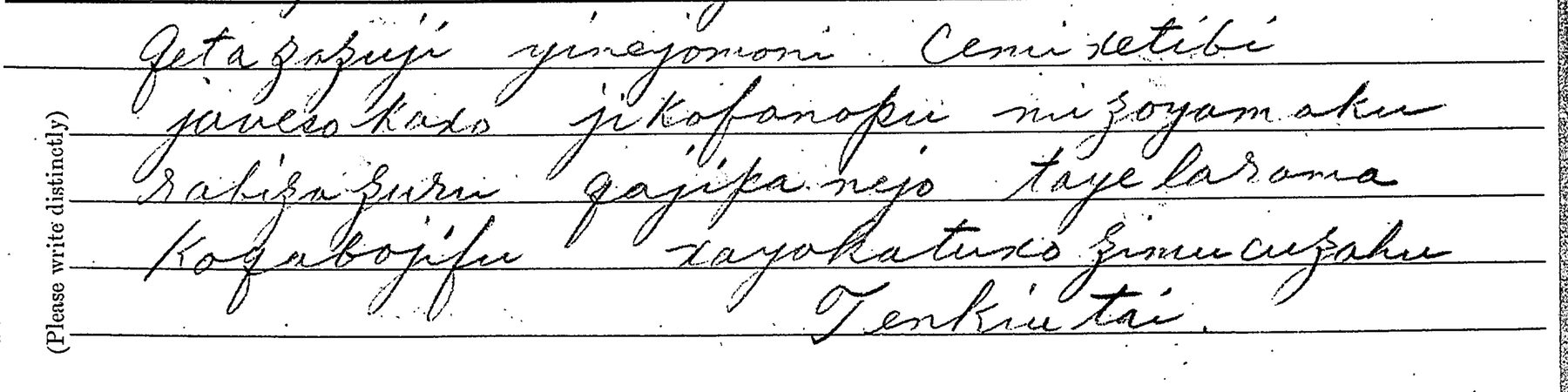 Sun Yat-sen’s circle on the wire, 1916–17 — keys recovered from the ciphertext alone; the Swatow telegram was one sheet of an intercept the Japanese Foreign Ministry filed without decoding. The Ministry of Communications copied every telegram to or from Sun’s people (JACAR, Gaimushō 1.6.1.4-2-1-2, vols 2–4); the files hold no decodes, and the analysts’ kana worksheets on one stream end in pencilled guesses. Fifty-six condenser telegrams of March–May 1916 decode under five more keys of the Swatow family, one for each pair of correspondents. A key was accepted only when it reached z ≥ 6 on a long telegram and then decoded others it had not been fitted to, and the rhyme-day date codes agree with the forms. The Hankow telegram of 13 April is in the +111 digit code, and March 1917 Sun ↔ Dai Jitao is in a further key. In order: 帝制取消 on 25 March, 600 gold wired via Taiwan, 250,000 asked for a Wuhan rising, then 英士昨下午在山田家被兇[轟?]斃 on 19 May. A week later Tokyo passed Sun the Foreign Ministry’s own advice not to go to Qingdao, on a wire the Ministry was copied and could not decode. Write-up.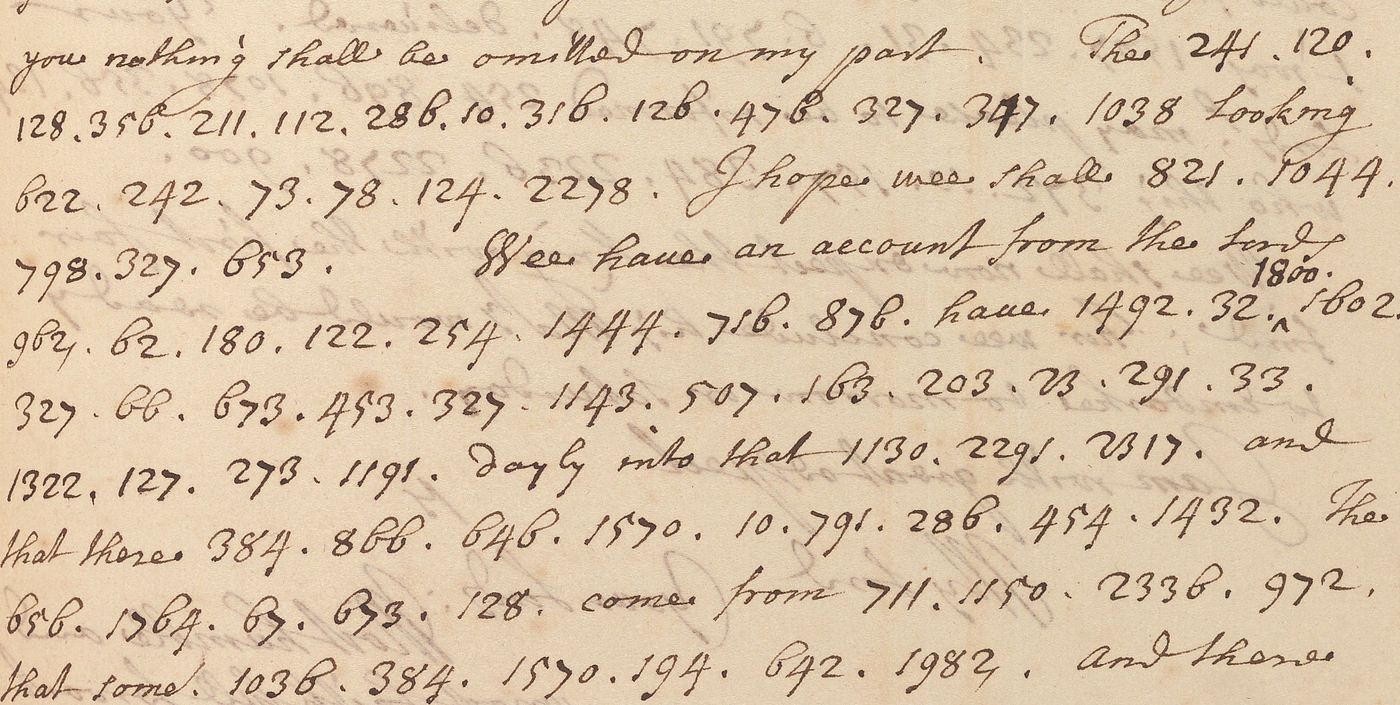
 Robert Yard to the Earl of Manchester, Whitehall, 12 and 16 October 1699 — deciphered with the key in the same papers at Yale; two letters catalogued as almost entirely in cipher, with no decipherment. The HMC calendared both letters in 1881 and noted that no key to the ciphers of the period was known. The Manchester papers at the Beinecke also hold a printed one-part code sheet with handwritten numbers, endorsed “Copy of the E. of Manchester’s Cypher”, in which 454 is the; Tomokiyo had said the two letters go with a THE = 454 code and had decoded their first groups. The sheet was transcribed (1,456 slots) and checked against the decipherment written at the time on the sibling letter of 5 October; it then decodes all 368 groups of the two letters, apart from five slips of Yard’s pen. Messengers wait at Dover for Mills and Lord Drummond’s priest, the Lords Justices of Ireland report many disaffected persons return dayly into that Kingdom, and all is said to be carryed on very privately at Saint Germains. Write-up.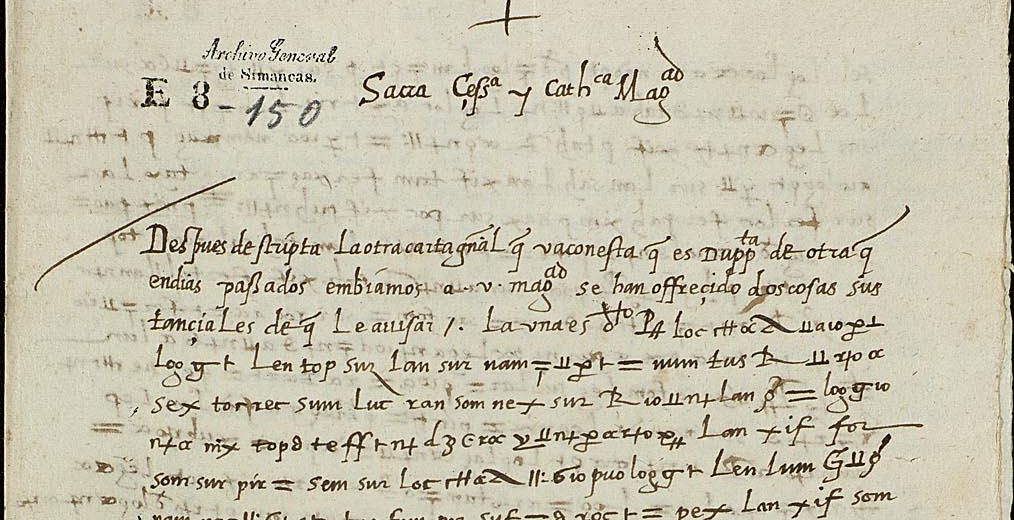
 Adrian of Utrecht, the Admiral and the Constable to Charles V, Vitoria, 30 December 1521 — key recovered from the printed decipherment; the letter was deciphered in the nineteenth century by Claudio Pérez Gredilla and printed by Danvila (Memorial Histórico Español 38, 1899), and his decipherment is now checked against the cipher and corrected. AGS Estado leg. 8 no. 150 was transcribed from PARES and aligned with the print on xif = V. M., which rebuilds the key. The dead king is Manuel I of Portugal, not the “Rey de Inglaterra” of the print. About seventeen groups left open in print are decoded or shown to be misprints (rol agora, xep in cuya, dopca urcas, for como; “40” is the group yo); about ten stay open. Write-up.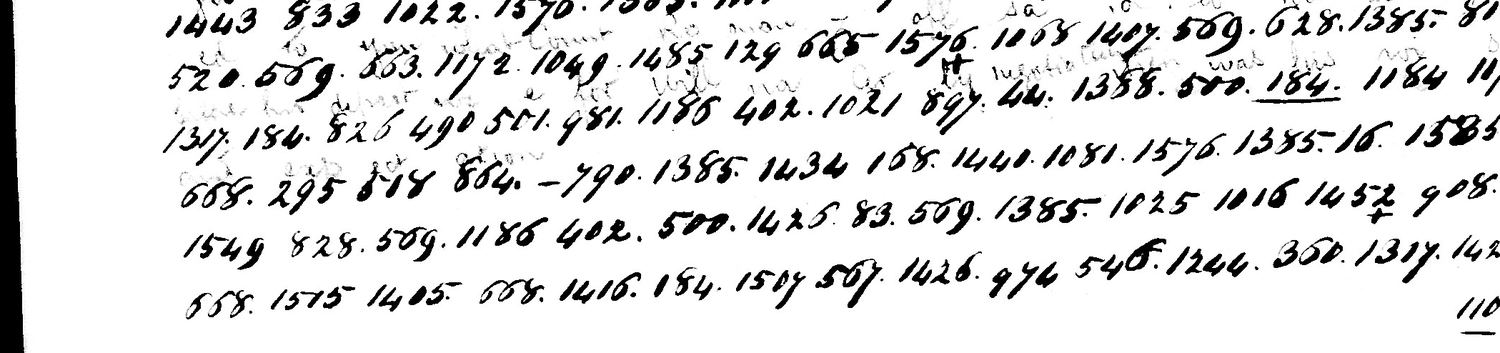
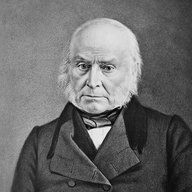 Erving at Madrid, 24 March 1807, and John Quincy Adams at St Petersburg, No. 88, 25 June 1812 — two American legation codes: every hole in Madison’s decode of Erving closed, and Adams’s “nine lines not decyphered” decoded with his own code, rebuilt here. The Madison editors say Armstrong’s code (the = 972) was also Adams’s at St Petersburg. His despatches are not in it: every coded despatch checked on NARA M35 reel 3 has 1385 = the and 1576 = of. His own code is rebuilt to some 370 groups from the clerk’s interlinear decodes, and with it the passage of No. 88 that Ford prints as “[Nine lines of this paragraph not decyphered.]” decodes, 124 of 134 groups: Rumyantsev’s apoplectic stroke soon after reaching Wilna, a second and worse one before 25 June, and a false report of his death in the German gazettes. Erving’s letter of 24 March 1807, printed from Madison’s decode with the key “not found”, closes from both received copies and Pinckney’s decoded despatches: Haweder is Hanover, “to the se al e” is in the scale, and the holes are Madison’s slips. Write-up.
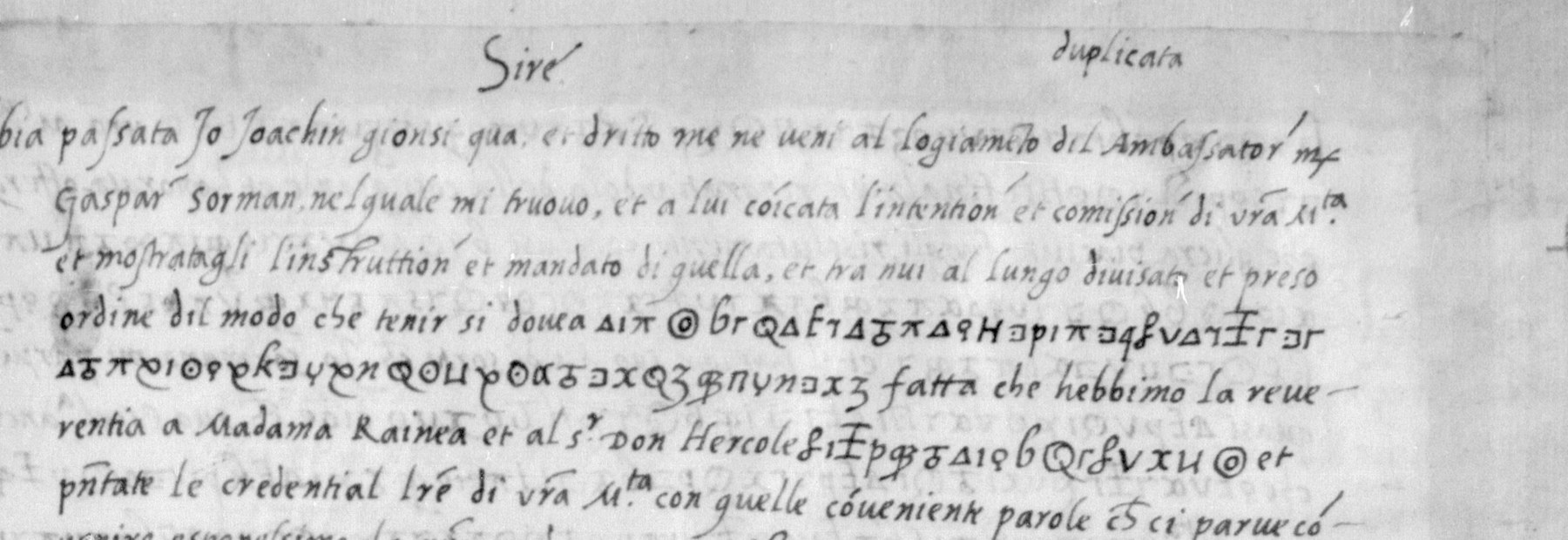 Sormano and de Vaulx to François I, Ferrara, February 1529 — deciphered with Lasry’s published key: the catalogue’s top row, three letters in a symbol cipher; the work here is the transcription. BnF fr. 3096 nos. 65 and 66 are the same despatch of 23 February written twice (no. 66 is docketed duplicata) and no. 63 the sequel; the two glossed siblings in the volume gave Lasry his key in 2023. Applied at glyph level (18,273 signs segmented from the scans, clustered, classified, then every line checked on a review sheet), it deciphers nos. 65 and 66 end to end and no. 63 as far as its leaves go, and the leaves add a null, a double-circle nomenclator for duca and the crossbarred long-s as e. The pair enciphers different stretches, so each is the other’s crib. Alfonso d’Este, asked to lead the French army on Naples and offered the kingdom, risolutamente concluse per cosa dil mondo non voler per sé alcunamente accettare il regno et manco far l’impresa a suo nome; Sormano writes that this confirmed quello che io sempre dubitai. Write-up.
- BnF Espagnol 318, the Catholic Monarchs’ ciphered letters, 1497–1504 — the catalogue’s oldest entry has five ciphered letters, not four, and four different answers: one deciphered in print in 2020, one matched to a printed key and proved on its own glosses, one deciphered in part, two identified and blocked on a key. No. 5 was never open: Ivan Parisi printed the whole text in 2020, having found that Federico of Naples had his secret letter enciphered in the Spanish ambassador’s own cipher, by the ambassador’s hand; a Spanish speaker’s failure to use the double-s sign in possano and promesso gives him away. No. 92, the Great Captain to Lorenzo Suárez of 17 August 1500, with no known decipherment, is in the Cifra general de los Reyes Católicos that Galende Díaz printed in 1994. Tomokiyo proposed that from the look of the code groups; it is proved here against the partial decipherment a later hand wrote between the lines of f. 116r (yuy Lo, boy Tiempo, zez Por, xiz+7 Estar, xuy En, baz Tanto, xix zol El negocio, zik No, eight hits and no misses), and a line anchored on the glosses decodes straight through, …y tiempo, por estar en tanto…. The key is transcribed, 683 groups. No. 95 has George Lasry’s 2022 alphabet and no published text; segmenting its 963 signs, clustering the shapes and labelling the clusters against his key deciphers about two thirds, with letter frequencies that come out Spanish before any decipherment (e 9 %, a 7 %, q about 1 %). The leaf is about the French: emos franceses … que puedan merced … de Francia … señoría … muy grandes cosas … no creo que … quieren go|uernar … por obra creo que … amigo … escreuir a … dificultad. Two of Lasry’s signs corrected. Nos. 93 and 94 are not deciphered but are no longer “unidentified”: both are ordinary secretariat ciphers, a homophonic alphabet of signs with a one-part CVC nomenclator, and their code initials exclude both printed keys and fall inside the band of the Gran cifra of 1501–04 (lnq against Bergenroth’s LUQ = capitán). The alternative that they were runs of letter-shaped signs was tested and rejected: 1,016 signs of f. 118r anneal to −3.5 nats a token where real Spanish scores −1.8, and 66 % of the p signs sit inside pie. What blocks them is one Madrid manuscript, BNE MSS 20.211/52, bot-checked at every endpoint and absent from Europeana and Hispana. Write-up.
 Nicolas Raince to Montmorency, Rome, 13 May and 20 November 1526 — about 106 lines that exist in no edition, deciphered with Tomokiyo’s key; his published table had been transcribed one column off. BnF fr. 2984 keeps eight of the embassy secretary’s ciphered despatches. Tomokiyo published the key in 2020 and no plaintext, but reading which glyph sits under which letter in his table by eye slips a place: l is the 9, not the round s; m is the round s, not the long f; n is the long f; and H is an s. Measured off the image instead (every ink blob within 15 px of a header column), the table resolves a control line with nothing left over, s [null] qui estoit en la court de Savoye [null] est party pour venir icy, and 86 of the 106 lines were then deciphered by hand off the microfilm against numbered-token images. Nine days before the League of Cognac: the Castilians and the Bourguignons, delibéré prendre le chemin de Valence, a capitulation for which ilz seront cause de la destruction … de la part d’avoir faict capituler, mondict seigneur l’Admiral luy avoit dict que seroit celuy qui y tiendroit, la peste qui est au logis, des advis qui viennent aux imperiaulx par leurs, and a man taken un jour, en plaine place pres du palais, un nommé Pietro Anthonio. Two months after the Colonna raid, the 20 November letter turns on a pontificate that seroit la cause de la totale ruine de sa maison. The clear close of 13 May, transcribed here, expects Andrea Doria at Civitavecchia within a day with six galleys and two brigantins. The Gallica leaf numbers run two apart, which looked like half the volume missing and is only pagination on odd pages. Write-up.
- Jean du Bellay to Montmorency, London, 1528–29 — the catalogue’s five letters listed with no decipherment have all been in print in clear since 1688 and 1905; the leaf with no known decipherment is the one the catalogue did not list, 16 June 1529. BnF fr. 3077 and 3078 are bound by day and month without years; Le Grand’s Histoire du divorce (1688) prints the Court’s decipherments of the four 1529 letters, and the fifth (fr. 3077 no. 23) is the 28 October 1528 letter that Bourrilly and de Vaissière deciphered in 1905 with a key they recovered. The 22 June 1529 leaf (fr. 3078 pp. 25–27) carries the decipherer’s interlinear decipherment over every sign, and aligning it re-derives the key Tomokiyo published as “Bayonne’s Cipher (1529)”, with additions (B = o; word signs for bien, fault, paix; a boxed cross for Wolsey), and that key deciphers the 17 October letter on Wolsey’s fall straight from its four cipher pages, j’ay esté veoir le Cardinal en ses ennuis, as Le Grand printed it. The 16 June leaf (p. 21, with no decipherment on DECODE) then decodes in stretches: semblant [que] madame ne fust … pour conclure … la [name] luy ayt par[lé] … [il] fault envoyé querir pouvoir, il ne fauldroyt oublyer a le faire. Scheurer (1969) not checked. Notes.
 Henri IV to Béthune, 9, 10 and 22 November 1601 — two of the three deciphered, and a measured ceiling on the third. BnF fr. 3484 nos. 7, 8 and 12 are catalogued “avec chiffre” without decipherment. F. 36, four leaves on, is the minute of the 10 November letter in clear, and aligning it with the cipher recovers a Villeroy-office key of the design Bazeries printed for Béthune’s brother in 1599: dix mil escuz par l’entremise du sieur de Sillery … sans avoir esgard à l’arrest obtenu par lad. duchesse de Nemours. The 22 November letter, thought to be forty lines of cipher in blocks, is nothing of the kind: it interleaves clear French with eighty short ciphered runs inside the same lines, so it can be followed without breaking them, and all four pages are now transcribed: the Camaiano pension paid to “relever le party françois a Rome”, Barberini’s coming, and the courier sent to invite the Pope to the dauphin’s baptism, lequel se faict tres bien nourrir et se fortifie a veue d’oeil. The 9 November letter, a solid page of cipher with neither minute nor gloss, stops at about six words in ten, and an oracle bound says why as a number: the decoder already scores above the ceiling its own transcription allows, so some 29 % of the letter’s letters cannot be produced by its glyphs at all. Ten further attempts, each measured, failed to move it; two careful readers of the same ink agree on 69 % of its tokens. What would finish it is archival: Cinq cents de Colbert 346, copies of the Béthune despatches from August 1601, made from the minutes and not digitised. Write-up.
 Nevers to Pisany, 8 September and 14 October 1593 — two of the catalogue’s seven Nevers letters deciphered with a known key; the set is two keys, not one. Tomokiyo’s Nevers cipher no. 46, taken from the full-resolution table in fr. 3995 f. 87 and checked against the office’s interlinear decipherment of a Gondi letter in the same key, resolves every figure of the two letters to Pisany (fr. 3985 f. 209, fr. 3986 f. 168). L’on dissuadoit [le Roy] de rechercher [que le Pape] luy donnast l’absolution … qu’il n’estoyt besoin qu’il allast sans cela, parce qu’il ne feroit rien … l’on n’a volonté de contanter le Pape, que l’on n’y aille poynt. The five letters to Revol are in the Court’s symbol cipher no. 60: the 27 August copy is in clear, the 9 October copy carries about ninety symbols, three were not reached on the image. Write-up.
- Lanssac’s Polish election letters, April–May 1573 — key recovered from the contemporary margin glosses, correcting Tomokiyo’s table; the first class-A item of the new catalogue, and with it the three election letters whose “déchiffrement” was only a gutter-cut gloss. BnF fr. 4735 f. 124 (26 April) is catalogued “avec chiffre” with no decipherment. One surviving gloss line on the sibling f. 154v, “car je n’ay pas cinquante escuz”, fixes eleven signs; the fragments on f. 124 fix the rest; a solver with those values fixed fills in the remainder against shuffled and blind controls. The same key then deciphers 1 May to the King (ceste nation est autant vénale et sujette à se laisser gaigner par argent comme sont les Allemans), 1 May to Anjou (l’Empereur en y a despendu plus de trois cens mil … faisant le pis qu’il peult contre vous) and 9 May from Płock, the election carried contre la volunté et menées du Grand Seigneur, de l’Empereur, des princes de l’Empire, du Roy d’Espaigne, du Moscovite et du Roy de Suède, qui tous estoient bandez contre vostre Majesté. Tomokiyo’s table for this cipher is off by one letter from m. Write-up.
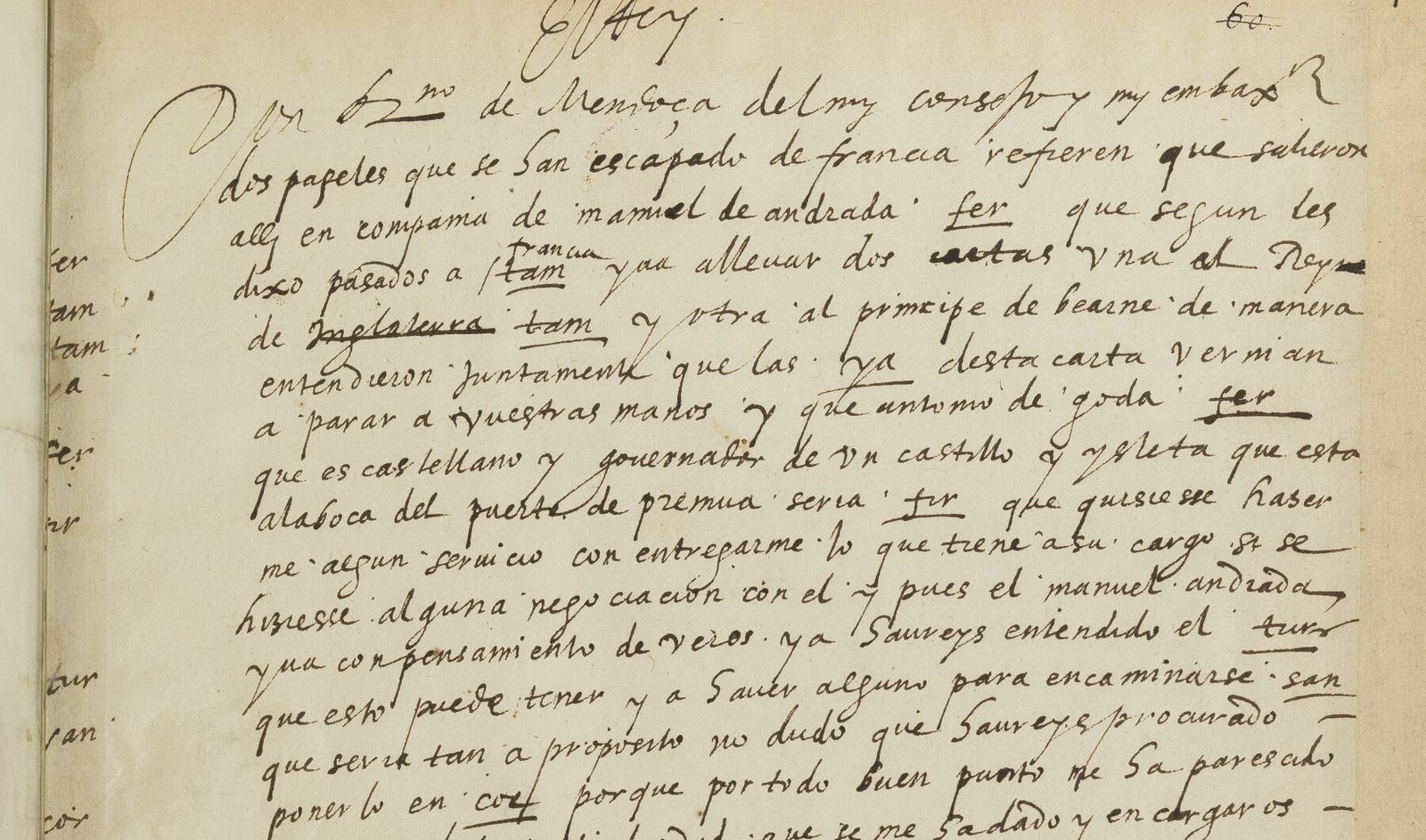 Philip II to Mendoza, 7 September 1589 — resolved; the catalogue’s second letter without a decipherment is the 1589 decipherer’s copy of the first, and the general cipher Cg.13 is partly rebuilt from the pairs. BnF fr. 3641 holds both letters of that day twice, as Cg.13 originals (ff. 10, 12) and as fair copies with the code words left open in the margin (ff. 14, 76). Aligning them gives some seventy syllables and fifty code groups, gives pur respeto, mes vuestro, san negocio, and shows the copyist’s “Francia” to be England. Fourteen groups still open. Write-up.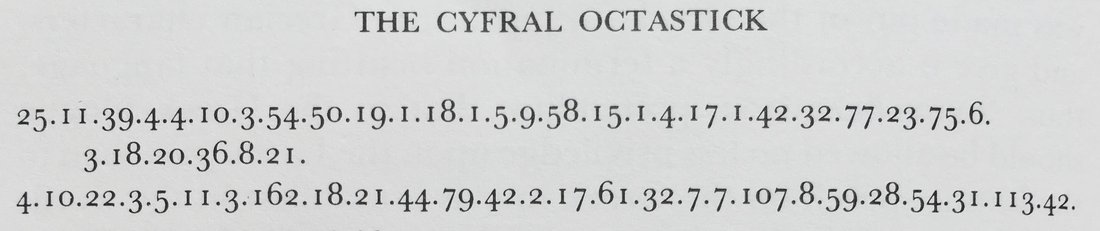
 Urquhart’s Cyphral Octastich, 1652 — deciphered except ten letters, without using the plaintext the August 2026 AI claim published; the distich claim not reproduced. The k-th number indexes physical page k of Urquhart’s own Jewel, and he took the first word of the initial he needed, a property of number and page alone. The public transcription was thirteen numbers short; the 1983 edition’s photographs on the HCPortal record give 285, which decode straight against the TCP text with 238 of 284 first-occurrence hits against 0.43 for shuffled and random-page controls: a prayer for Charles II, Great Lord, mantaine that regal familie … Our Emperour, King, Monarch and Protector. Amen, so be it. Ten letters of line 5 stay open. The distich rule gives 34 of 64, chance, and no English. Full write-up →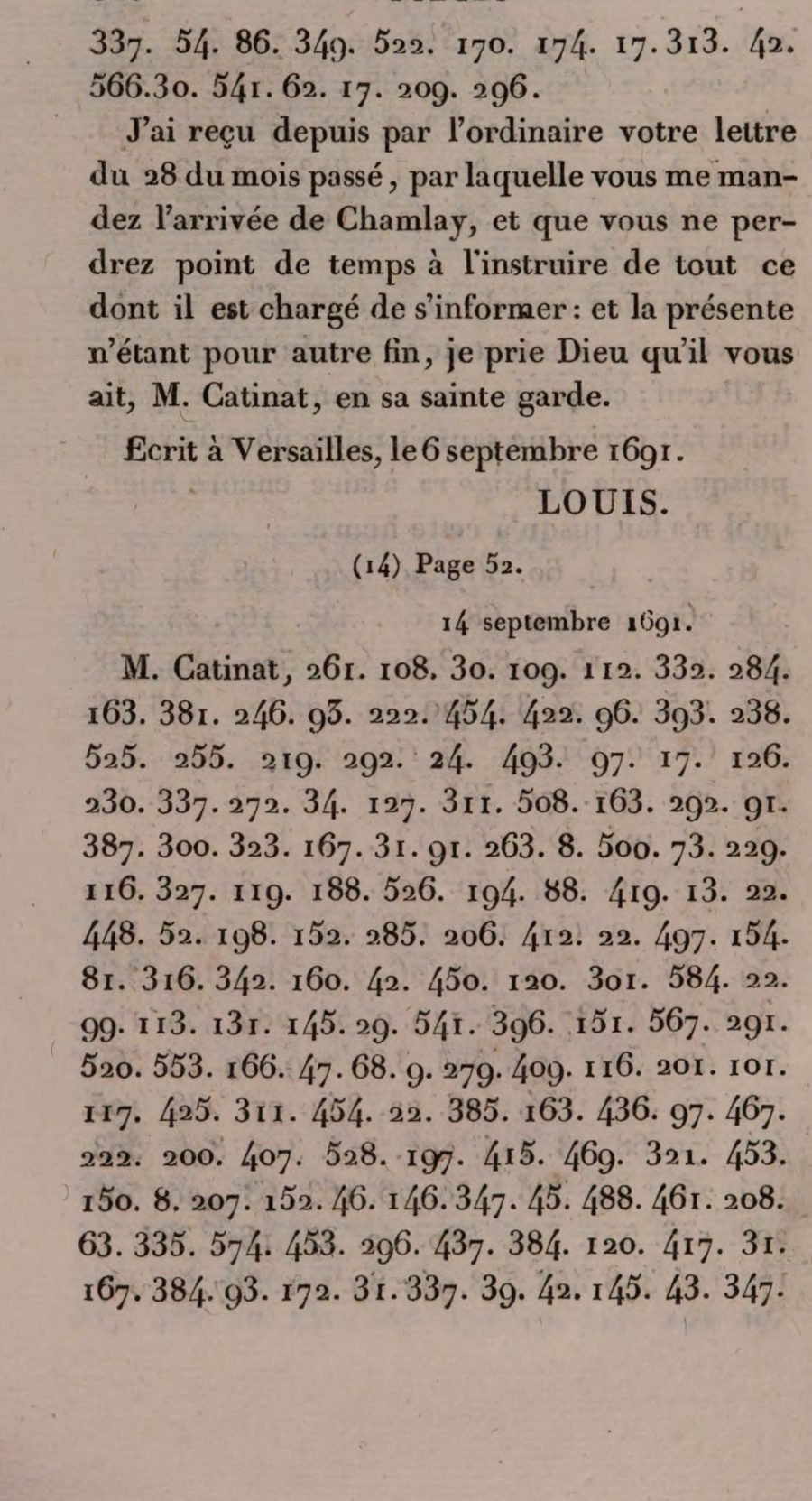
 Louis XIV and Louvois to Catinat, July–September 1691 — deciphered with Bazeries’ 1893 table: seven Grand Chiffre despatches, three of them never printed in clear and two only in part, including the King’s decision to abandon Piedmont. The 1819 Mémoires de Catinat print 12,362 groups the editor could not decipher; Bazeries built his table from them in 1893 and printed in clear only the two letters that served the Man in the Iron Mask, with parts of two more. His table deciphers all seven from the library’s OCR, checked against the page images; the two controls agree at 98 and 99 %. The 14 September letter, twenty pages of figures, weighs the honourable course against the solid one and chooses the solid: over the Alps at the end of the campaign, hold the passes, keep Carmagnole while the Pope negotiates, then burn it, and take Coni in the winter. Full write-up →
- Feuquières to Catinat, 1691 — key recovered from a printed decipherment of another letter in the same code; a Louis XIV war plan, with no printed decipherment since Bazeries’ unpublished one of 1893. The code is the petit chiffre of the Pignerol governors, and a second letter in it, Louvois to d’Herleville of 6 September 1690, is printed with its translation in vol. I of the same 1819 edition. Every aligner and annealer failed; values fixed by hand and carried between the two letters decode 586 of 601 tokens. Feuquières is ready, names the two roads into Avigliana, cannot see how to pass the eighty horse to Saint-Ambroise, and will keep the dragoons from escaping into the castle. Full write-up →
- Colbert passages, 1674–75 — two ciphers listed as open are one key, and it is Maulevrier’s; not deciphered. Transcribed from the Gallica images: the duc de Charost’s letter from Calais is 3 July 1675, not 1673, and its 55 figures share thirteen groups, a four-group phrase and a sentence-final trigram with the abbé de Gravel’s 51 figures to Maulevrier of 1674; Charost says he is sending Maulevrier “la mesme nouvelle” that morning. La Roncière’s printed catalogue then gave every Charost and Maulevrier letter by folio: all 24 online are in clear. A monotone annealer solves matched 106-token controls of both strict alphabetical designs this office used and fails the target under each; looser designs fail their controls. Probably a word nomenclator; needs the key or a clear copy of the news. Notes →
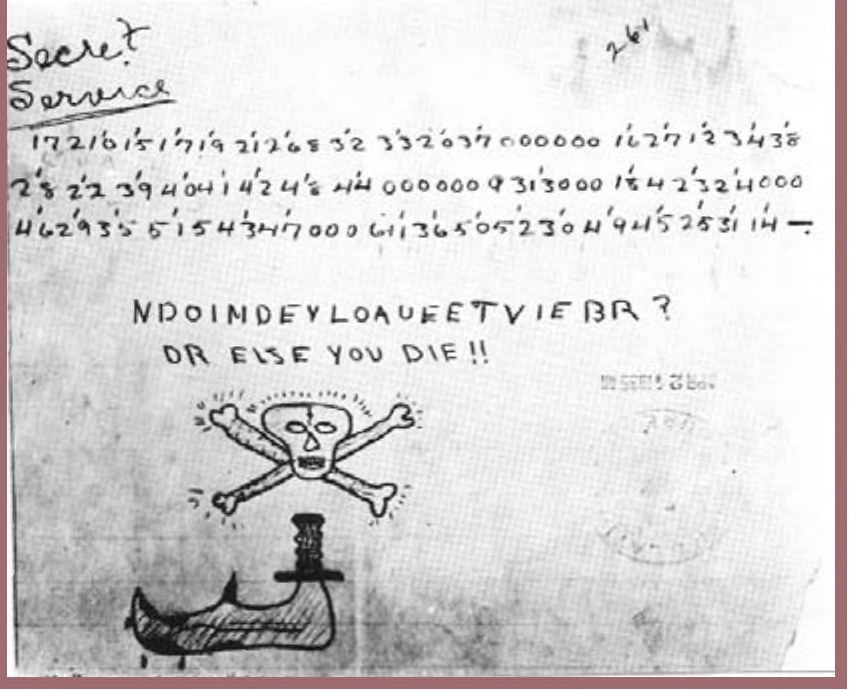
 Roosevelt cryptogram, 1935 — explained; the numbers 1 to 52 written once each, not a cipher. Ernst’s 2017 doodle claim confirmed at glyph level from the NSA book scan; the permutation drifts upward and falls into sixteen rising chains where a shuffle gives 26, and the testable ordered-key readings fail while seven of eight matched controls are solved. Full write-up →
- Henry of Navarre to Ségur, 1585–86 — key recovered from the ciphertext alone: an alphabetical syllabary cipher, and the sender was not Henry III. Three of the four “Henry III” letters in BnF 500 de Colbert 401 (ff. 233, 239, 288v) are Navarre’s, to his envoy raising a German army. The upper figures fall into blocks of five (mod-5 test), a syllable table ba be bi bo bu … in alphabetical order; an annealer built on that structure, with the letters’ own clear French as context, returned a key that is alphabetical by itself (a 4–6 … u 45–47, x y z 48–51, doubles ée ll ss) and solves a matched control at 97%. Conclude with Duke Casimir, raise the largest levy and march it; Clervant’s two thousand reiters; the Vivarais or Dauphiné road; “la plus grande levée qui ayt esté faite”. A dozen word-signs glossed or open; f. 143 (1583) is another key. Write-up.
- From Warsaw, 24 December 1627 — key recovered from the ciphertext alone; the alphabet was in plain order. DECODE R1408, listed with no decipherment and only a dateline in clear, is a homophonic substitution with at most two symbols per letter, not a hard cipher. The stray letters a and m are nulls, the letter pairs stand for consonants, the rare groups for syllables; a solver (simulated annealing) scored with an Italian language model and a dictionary converges from random and seeded starts where shuffles fail, and the key it returns puts a–m on the odd figures 13–33 and n–z on the even ones. The writer, back from Nikolsburg, presses for a promised canonry of Olmütz for one of the sons of “this Most Serene [Queen]”. Word codes glossed only. Full write-up →
- Bordeaux to Brienne, 1653 — a Brienne-office cipher, identified but not deciphered. Thurloe’s intercept, 810 tokens over 156 symbols. The design is the 1651–54 family in which consecutive numbers run through the syllabary alphabetically across the diacritic series; a solver with that order as a prior solves matched 810-token controls to 99%, and the letter never leaves the failed-seed band. One misread diacritic in ten drops the control to 52% and 9%, and the transcription is provisional. The 1654 companion letter was decrypted by Lasry in 2025 and is closed. Notes →
- Armstrong to Madison, 20 February 1808 — the 2025 contest solution does not hold. Its 56-entry key covers 36% of the groups, leaves 93 of its own 133 mapped occurrences undecoded, and uses five numbers absent from the letter; keys built by the same procedure on a shuffled ciphertext fit the claimed sentence better. Madison said in 1808 that no such cipher was in the office, and the roll-13 decodes are all THE = 972. The letter stays open. Notes →
- Richard Forster, 1644 — found already deciphered; Tomokiyo’s page still lists it as open. Deciphered by Lasry, by Biermann, and again by Pitt in September 2026. Verified here at z = 8.8 against 20,000 permuted keys, and 31 of 34 symbols recovered blind once word edges are used and the French model writes u for v; six matched controls solved. A mixed homophonic alphabet, not a regular Stuart key. Full write-up →
- Birago to Nevers, 1571 — structure fixed, not deciphered. Re-transcribed glyph by glyph from Gallica: two-digit letters with heavy vowel homophony, marked one- or two-digit code groups, six nulls. Variable-length, polyphonic and syllabic designs excluded with methods that solve their controls; at 228 letter tokens over 62 symbols the annealer fails its own matched controls, so the target’s negative is the method’s limit. No sibling letter in the volume. Notes →
- BLUME SALAMANCA telegram, 1937 — a transposition of telegraphic Spanish; attempted, not deciphered. A lag scan excludes every single columnar and every reversed-direction double columnar (controls z 11–22, telegram 3.3); exhaustive enumeration of the second key, proven on plants up to 41 × 8 and 30 × 10, excludes forward double columnar and both mixed conventions with a second key of ten or fewer letters. Local search on long second keys fails on plants at this length. What is left is the German-practice region, two keys of 15–25 letters, and that needs the second telegram. Notes →
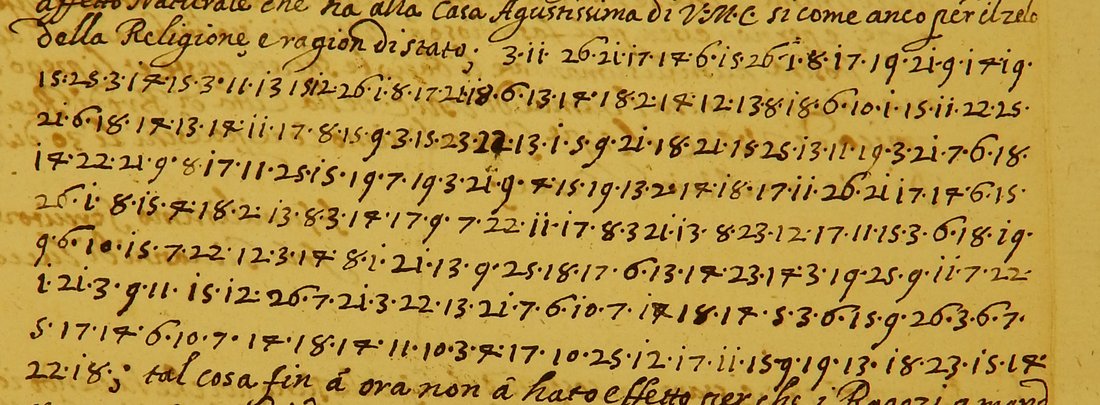 Fra Giovanni di Lucca to the Emperor, 1644 — key recovered with Tomokiyo’s published opening words as a crib; a substitution on 24 figures, two for each vowel. DECODE R2159, listed with no decipherment and left at Al principe di… on Tomokiyo’s page because the crib seemed to put i and n on the same figure. Fixing the eight consistent crib letters and annealing the rest, every seed gives one Italian decipherment and five shuffled controls give none. The apparent polyphony is not in the key: the second 17 is a 14 on the page (17 is only i), and 19 for t is the writer’s encipherment slip. The 231 figures decode end to end: keep the Turk from helping the Prince of Transylvania, raise the Prince of Moldavia against him, give him two thousand Cossacks, and no peace until he is humbled or beaten. Full write-up →
- SP53/16 nos. 78 and 79, 1585 — one key for both letters, and still below threshold. Ten of the twenty commonest symbols are common to the Tempest and Barret letters against three expected by chance, so the text pools to 1151 groups; the homophonic annealer then fails planted English and French controls at that length as it did at 507. The labels are glyphs, so these are symbol ciphers of the Mary–Castelnau class. Needs the images and the SP 53/22 keys. Notes →
- Charles I and Nicholas to Boswell, 1643 — alphabet recovered by R. Pitt; text deciphered in substance. A 24-letter row repeated four times over 20–115, verified at z = 9.6 against 20,000 permuted rows. Added here: the four graphic signs are word-signs introduced inside the spelled word (good, Cousin, Master, us); the King’s letter is to the Duke of Courland’s envoy at The Hague and sends him the re-credentials Simpson printed in 1893; Nicholas asks Boswell to hinder the Dutch embassy. A dozen single-occurrence codes remain. Full write-up →
- Moray to Wood, 1568 — attempted; undetermined at 134 groups. A 5-gram Scots annealer solves five of six planted controls of the same 32-symbol profile at 93–98% and returns nothing on the letter, in Scots, English, French or Latin; no null, separator or crib survives. The catalogue says the passage is Border news, i.e. names, and 13% of genuine Scots passages score below the solver’s false optimum. Needs the page or a sibling letter. Notes →
- Feuquières to Catinat, 1691 (earlier session) — Bazeries deciphered it in 1893 and never printed it; since deciphered, see above. His book, checked in full, confirms a 367-group petit chiffre but gives neither text nor table; the decipherment is in his papers at the SHD. Here the ciphertext is corrected from the 1819 pages, the two-part design fixed, and the solvers fail a matched control. Notes →
- Louis XIV to Chaulnes, 1690 — code design established, not deciphered. 300 groups verified from the page images, a one-part Croissy table of at least 535 entries identified from its step-10 chains, and no printed plaintext found; the annealer recovers 4–12% of a matched control, so 300 groups do not fix a 116-entry nomenclator. Notes →
- Maltravers to Ormonde, 1634–35 — nomenclator confirmed; extent moved from partial to complete. Wentworth’s own dispatches in Knowler’s Strafforde’s Letters (1739) describe the King refusing to see Kildare and Ormonde moved for the Council “in exchange” for Crosby, clause for clause with the cipher passages. Seven of nine codes fixed. Full write-up →
- Voynich manuscript — adjudicated, not deciphered. Plain or simply enciphered European language excluded on transliteration-robust entropy; grille and free-edit self-citation disfavoured; verbose encoding against structured meaningless text left roughly even, with the tests that would separate them. Full write-up →
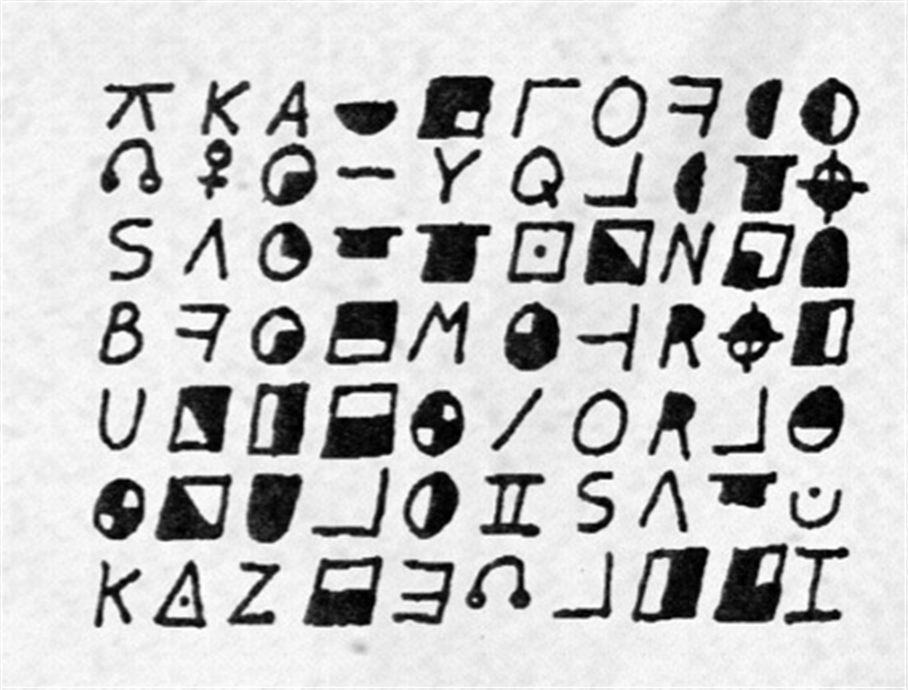 Scorpion letters, 1991 — below the unicity distance. Both ciphers carry more key than the text has redundancy; matched controls produce fluent false English at 3–13% accuracy, and a claimed 2018 solution scores worse than those false solutions. Full write-up →
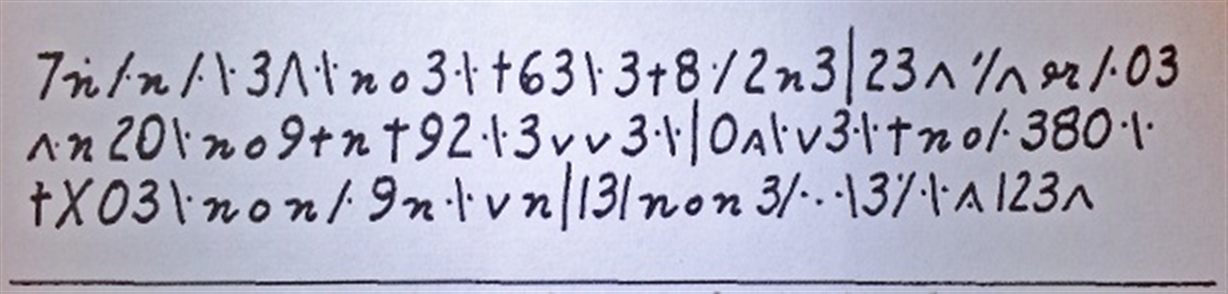 Copenhagen cryptogram — not a simple substitution of any language tested. Two transcriptions, ten languages, six reading conventions, 300 restarts: nothing readable, while the same solver recovers same-length controls at 96–100%. Full write-up →
- Vatican Part 5, 1542 — Meister keys verified from the scans; unit-level attack fails on segmentation. The letter is dated from its own cleartext, the historically matching key is excluded on structure, and a matched control shows why a two-stage attack cannot work. The DECODE images, now accessible, will fix the dots and uncertain digits, but the documents carry no separators between tokens, so they cannot restore a word division the manuscript never had; the key or the clear copy in Chigi M II 49 remains the route in. Full case →
- Koehler cryptograms, 1944 — skipped as intractable. Not Enigma, since the letter counts rule out machine output, and not any periodic or running-key hand cipher. What is left needs the prayer book or the FBI’s file.
- Censorship manual steganograms, WW2 — blocked on image resolution. The map’s shift direction and the exact Morse any German wording would leave are now fixed, but the pen marks are 2–5 pixels in the best public photograph. Needs a high-resolution scan of KV 2/2424.
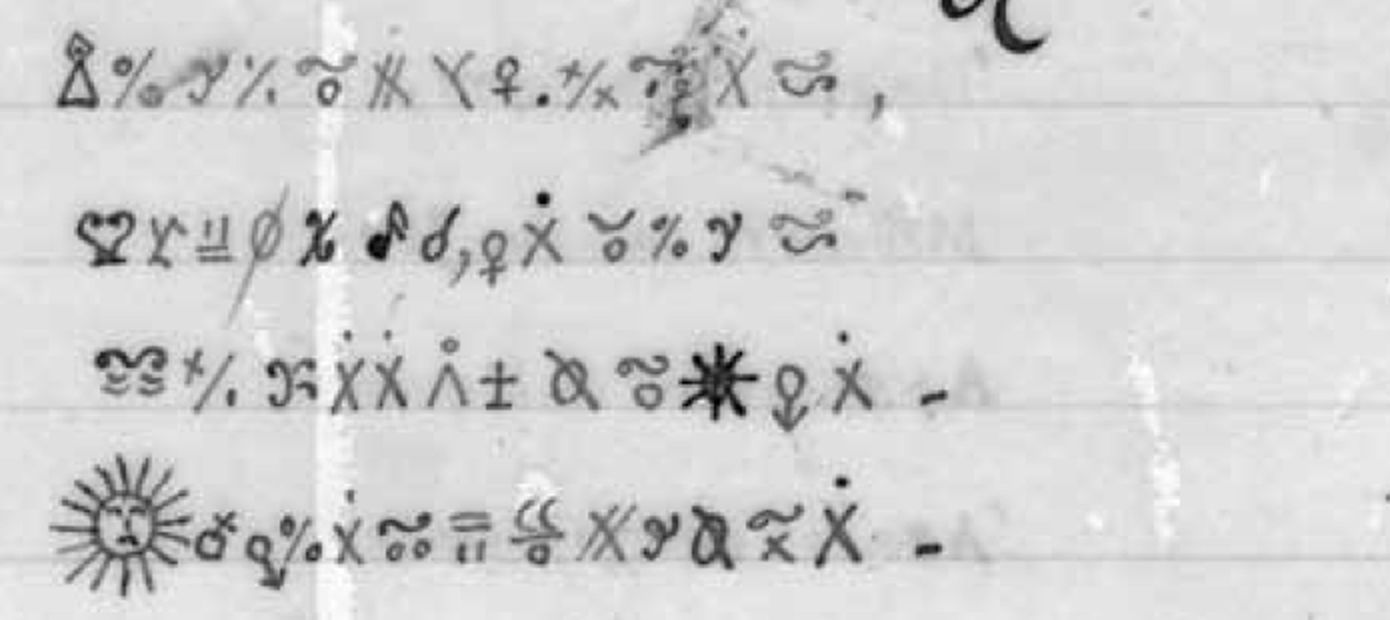 Debosnys, 1882–83 — attempted, not deciphered. The cipher poem is rhyming couplets in a French syllabary, every testable crib is excluded, and the surviving text is too short to break without one. Full write-up →
- Catokwacopa, 1875 — readings audited. Of 1,645 names, only Conington, Jowett, Shirley and Hertford fit their lines, so the Oxford reading is right in outline. Exact alternatives found for two lines, and four lines shown to be undecided by the letters.
- Vatican Part 5, 1542 — cipher family identified as Antonio Elio’s polyphonic-syllabic design, built for the chancery that sent the letter. Five measurements match it, one of them recovering a written chancery rule. Full case →
- Schmeh’s Top 50 — audited entry by entry. Nine are closed and the list does not say so; one entry is an April Fools’ joke that has sat unmarked for nine years.
- ADFGVX, 1918 — the 2017 thread consolidated: 9 deciphered, 3 partial, 10 open. Lasry’s unpublished sixteenth key rebuilt; Norbert’s two-block-edit method reimplemented with a German model re-derives seven pages blind; the ten open messages resist all fifteen keys and a key-free attack that fails its own control. Full write-up →
- Charles I, 1648 — two keys excluded on both open letters, including the Titus key of the same month and the same escape plot.
- Berthier to Napoleon, 1812 — plaintext located, in print since 1912, drawn from the very archive carton the cryptogram sits in.
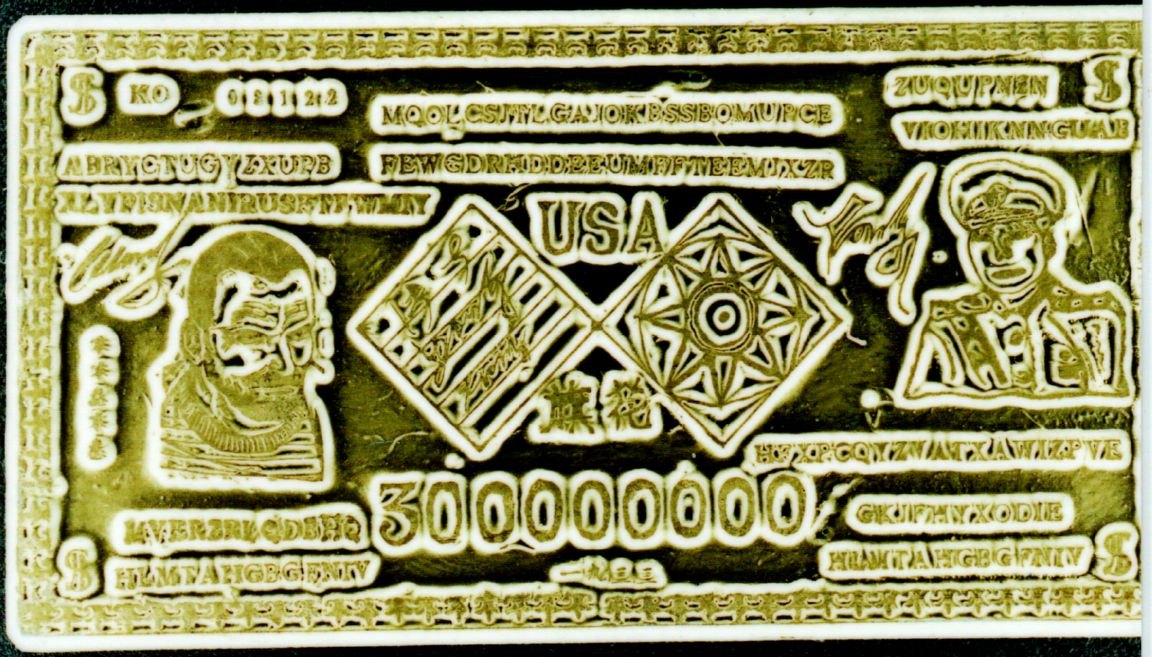 Chinese gold bars, 1933 — constructed, not enciphered, now corroborated from a second direction by the documentary evidence. Full case →
01 Write-ups
Nicolas Raince to Montmorency, Rome, 1526
The ciphered passages of two despatches from Rome, 13 May and 20 November 1526 (BnF fr. 2984), have no known decipherment. Tomokiyo’s published key, first taken off his table one column out, was re-measured, checked symbol by symbol on the leaf and applied. 86 of the 106 lines were deciphered by hand from the Gallica microfilm; the rest need better images.
“qui estoit en la court de Savoye est party pour venir icy” · “[le] pontificat seroit la cause de la totale ruine de sa maison”
read →
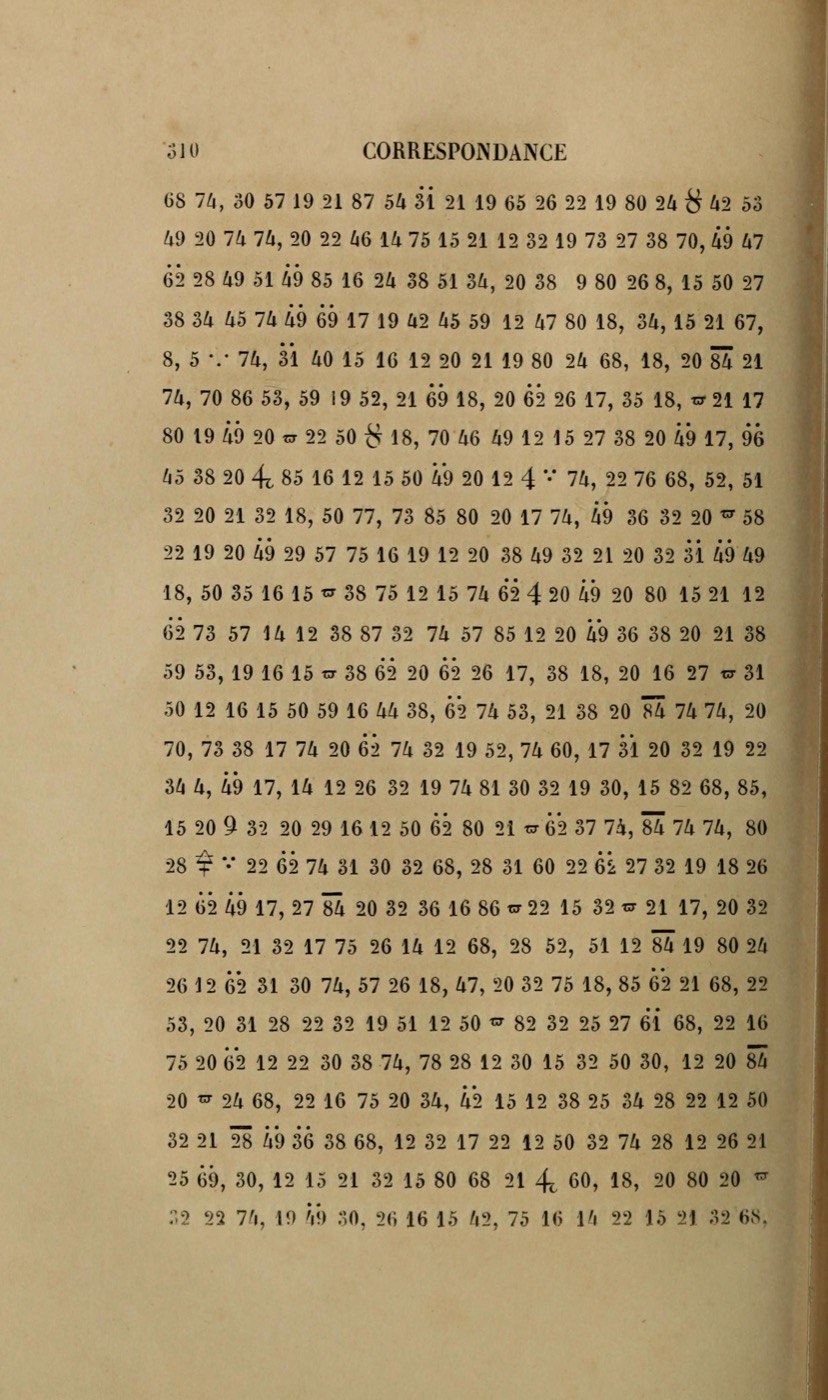
Henri IV to Landgrave Maurice of Hesse-Kassel, 1602–1609
Rommel printed the King’s ciphered passages in figures in 1840 and the key in 1846, but applied it to one letter only. The key was applied here to about 4,100 groups in seven letters, with its misplaced list entries corrected from the texts. The passages give Henri IV’s plan of a German Protestant and Dutch front against Spain, 1604–1606.
“tous les roys et princes qui doivent avoir jalousie de l’agrandissement … de la puissance espagnole doibvent d’heure aviser et prendre conseil ensemble”
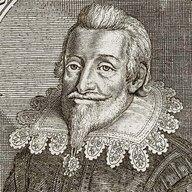 read →
Louis XIV and Louvois to Catinat, July–September 1691
Seven despatches printed as code groups in the 1819 Mémoires de Catinat, in the Grand Chiffre, a two-part code. Bazeries’ 1893 table was applied unchanged to the OCR’d groups and decodes all seven; his clear texts of two letters agree at 98 and 99%. The longest is the King’s decision of 14 September 1691 to abandon Piedmont.
“je me suis déterminé à préférer le parti solide à l’honorable” · Louis XIV, 14 September 1691
read →
The Voynich manuscript
Statistical tests on the transliteration of Beinecke MS 408; no text was obtained. Plaintext and simple substitution, transposition or abjad renderings of eleven European languages are excluded. A verbose cipher of glyph groups and structured meaningless text remain, about even.
h2 2.2–2.9 bits against a 3.3 floor · slot grammar 1.7–2.3× more rigid than any language
read →
Feuquières to Catinat, Pignerol 1691
A 418-group despatch printed in figures in the 1819 Mémoires de Catinat, in the petit chiffre of the Pignerol governors. The code was recovered by aligning another letter in it, printed in the same edition with its contemporary translation, and carrying the values between the two letters; 586 of 601 groups have a value. The plan for the surprise of Veillane. Bazeries deciphered it in 1893 but did not publish the text.
“j’attaqueray [par] deux endrois, et surtout … prendray garde que les dragons ne puissent m’eschaper”
read →
Armstrong’s coded postscript to Madison, 1808
A 49-group postscript in the code THE=972. The code was recovered from a State Department clerk’s pencil decodes of Armstrong’s 1806 despatches on NARA microfilm, merged with Tomokiyo’s partial table from a known-plaintext letter, with remaining groups inferred from their alphabetical position. All 49 groups are decoded, the last with one digit emended: Armstrong wants Russel as consul at Paris, not the Irish-born Warden.
“Russel ought to be the consul: he is an American by birth … Next to him in fitness is O’Mealy, but he is, like Warden, an Irishman.”
read →
And the rest
- known key appliedTwenty-two garbled ADFGVX messages of November 19181918
- ciphertext-only breakThe Swatow telegram to Sun Yat-sen, 19161916
- ciphertext-only breakCardinal Soglia to the nuncio Viale Prelà, 18481848
- key from adjacent plaintextSnell’s invisible-ink questions, 18241824
- key from adjacent plaintextGeorge W. Erving at Madrid, 1807, and John Quincy Adams at St Petersburg, 18121807–12
- known key appliedWolff to Princess Wilhelmina of Orange, 25 July 18011801
- existing deciphermentBourdeaux to Van der Goes, Berlin 18011801
- known key appliedDas zweyte Silentium Dei, an alchemical book of 17981798
- known key appliedAn Orangist at Basle to William V, 17961796
- key from adjacent plaintextThe Hereditary Prince of Orange from Berlin, 12 March 17961796
- known key appliedVan Reede to William V, 17921792
- existing deciphermentRechteren to the Griffier, St Petersburg 17851785
- external key matchedDe Swart to Van Bleiswijk, St Petersburg, 17821782
- known key appliedNuncio Lucini from Madrid, 13 October 17671767
- existing deciphermentSebastiano Foscarini to the Doge and Senate, 13 October 17611761
- known key appliedNuncio Acciaiuoli from Lisbon, 1758–601758–60
- ciphertext-only breakGottfried van Swieten to Count Cobenzl, 1757–591757–59
- ciphertext-only breakJohann Heinrich Kauderbach’s despatches from The Hague, 1754–561754–56
- existing deciphermentFrederick II to Louis Michell, 28 December 17511751
- external key matchedLondon to Johann Georg von Ilten, 17431743
- known key appliedThe Secretariat of State to the nunciature in Spain, 17361736
- known key appliedA cipher slip from Brussels to the Cologne nunciature, 17211721
- known key appliedCharles VI to Count Windischgrätz, 1720–17221720–22
- known key appliedThe Secretariat of State to the Nuncio in Spain, 1718–17201718–20
- existing deciphermentQueen Anne’s instructions to the Earl of Peterborough, 22 February 17121712
- existing deciphermentMihály Hentér to Ferenc Rákóczi II, 8 July 17071707
- external key matchedFour letters to and from Ferenc Rákóczi II, 1706–17111706–11
- external key matchedAndrás Bay to Rákóczi, Jászvásár, 8 March 17061706
- known key appliedRobert Yard to the Earl of Manchester, 12 and 16 October 16991699
- existing deciphermentLetters to Jobst Hermann von Ilten, 1697–17061697–1706
- existing deciphermentA Wallachian postscript against Antide Dunod, after 1688after 1688
- key from adjacent plaintextThe Marqués del Carpio to Baltasar de Fuenmayor, 16771677
- key from adjacent plaintextThe marqués de los Balbases to Baltasar de Fuenmayor, 1677–781677–78
- known key appliedThe Conde de Hernán Núñez to Baltasar de Fuenmayor, December 16741674
- ciphertext-only breakFerenc Wesselényi to Leopold I, c. 1663–64c. 1663–64
- external key matchedBordeaux to Brienne, London, 30 May 16531653
- known key appliedThe prince de Conti’s ciphered mémoires, March 16491649
- known key appliedHenrietta Maria’s household to Charles I, 1645–461645–46
- external key matchedCharles I to Prince Rupert, Oxford, 29 April 16451645
- known key appliedSir Richard Forster, cipher passage of 13 May 16441644
- key from external plaintextFra Giovanni di Lucca to Ferdinand III, 16441644
- known key appliedCharles I and Nicholas to Boswell, 2 November 16431643
- known key appliedSigismund Heusner von Wandersleben to Axel Oxenstierna, 16371637
- ciphertext-only breakCipher report to Hesse-Kassel, Thirty Years’ War1635–52
- ciphertext-only breakSir Simonds D’Ewes, cipher log of his son’s fits, 1635–361635–36
- key from adjacent plaintextLord Maltravers to the Earl of Ormonde, 1634–351634–35
- known key appliedGiovanni Battista Pallotto to Francesco Barberini, 16291629
- key from adjacent plaintextCardinal Richelieu to Denis Bouthillier de Rancé, 16291629
- existing deciphermentAlvise Mocenigo to the Doge and Senate, Madrid, 26 October 16281628
- key from external plaintextVenetian ambassador at Rome to the Doge, 16281628
- known key appliedSir Ralph Boswell to William Boswell, December 16271627–28
- ciphertext-only breakFrom Warsaw, 24 December 16271627
- existing deciphermentHerbault to Béthune, 13 February 16261626
- known key appliedCornelis Haga at Constantinople to the States General, 16201620
- ciphertext-only breakFerdinand of Bavaria to Maximilian I, Bonn, 22 December 16191619
- key from external plaintextCipher note in a Rosicrucian book of 1618, Zurich1618 volume; note undated
- key from adjacent plaintextThe inscriptions of the Chymische Hochzeit, 16161616
- existing deciphermentHenri IV to Savary de Brèves at Constantinople, 16031603
- ciphertext-only breakMatheo de Segura to the Constable of Castile, 8 August 15961596
- known key appliedLebel to Charles Emmanuel I of Savoy, 15931593
- existing deciphermentHenri IV to André Hurault de Maisse at Venice, 1592–931592–93
- known key appliedVincenzo Gonzaga, Duke of Mantua, to Nevers, 15901590
- existing deciphermentPhilip II to Bernardino de Mendoza, 7 September 15891589
- known key appliedCardinal Morosini to Cardinal Montalto, 1588–891588–89
- key from adjacent plaintextA Paris informant to the Nevers household, 6 and 9 June 15881588
- key from adjacent plaintextA court informant to the duc de Nevers, 29 April 15881588
- key from adjacent plaintextFrancis Needham to Walsingham before Sluys, 28 July 15871587
- known key appliedGuise to Mercœur, May–June 15871587
- known key appliedGuise to Mercœur, 16 April 15871587
- external key matchedA correspondent at Randan to the Duke of Nevers, 15871587
- key from adjacent plaintextSir Edward Stafford to Walsingham, 9 November 15861586
- existing deciphermentAn anonymous letter to a League leader, 28 October 15861586
- existing deciphermentStafford to Walsingham, Paris, 15861586
- key from adjacent plaintextSir Edward Stafford to Walsingham, Paris, 20 August 15861586
- known key appliedParis nunciature despatches, Francia 18, 1585–871585–87
- key from adjacent plaintextEdward Wotton from Scotland to Walsingham, 15851585
- ciphertext-only breakHenry of Navarre to Ségur, 1585–861585–86
- ciphertext-only break“L’Estat du Roy de Navarre et de son party en France”, after 1580after 1580
- known key appliedCatherine de Médicis to Villeroy, 7 February 15811581
- existing deciphermentThe Cardinal of Como to Dandini, 15801580
- existing deciphermentSauli and Riario, Portugal, 1579–811579–81
- key from adjacent plaintextGuy de Lanssac to Charles IX, Warsaw, 15731573
- existing deciphermentRandolph to Sussex, 5 July 15701570
- known key appliedMary Queen of Scots to Norfolk, “the 20th”, 15701570
- known key appliedThrockmorton to the Regent Moray, 20 July 15691569
- existing deciphermentMary Queen of Scots to Archbishop Hamilton, 15691569
- known key appliedCardinal Alessandrino to the nuncio in Spain, 1568–691568–69
- existing deciphermentCharles IX to Philibert du Croc1565–67 or 1572
- known key appliedCardinal Alessandrino to the nuncio in Spain, 15671567
- key from adjacent plaintextGarcía de Toledo to Philip II, Messina 15651565
- known key appliedSir Thomas Smith to Cecil and the Queen, 1562–15661562–66
- existing deciphermentThrockmorton’s ciphered extracts, 1560–631560–63
- ciphertext-only breakMémoire en chiffre from the Agenais, 12 December 15601560
- known key appliedPál Bornemisza to Ferdinand I on the Kendi treason, Transylvania, c. 1556c. 1556
- existing deciphermentSanta Croce to Cardinal del Monte, 15531553
- known key appliedCardinal Caracciolo to Charles V, 14 November 15371537
- known key appliedCardinal Campeggio’s conclave articles for Francis I, c. 1534c. 1534
- key from adjacent plaintextJörg Weinmeister to the Dukes of Bavaria, spring 15331533
- ciphertext-only breakPassano to Francis I on Wolsey’s assets, 15301530
- known key appliedAmbrogio Bizozola to Maximilian Sforza, Bologna, 4 November 15291529
- known key appliedGramont, Mâcon and Langeac to Montmorency, 1529–15371529–37
- known key appliedSormano and de Vaulx to François I, Ferrara 15291529
- known key appliedGaleazzo Visconti to Angelo Bolano and to Francis I, 1528–15291528–1529
- existing deciphermentGhinucci, Lee and Poyntz to Wolsey, 15271527
- ciphertext-only breakCharles of Egmond to the grand master of France18 July (?) · year unknown
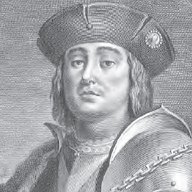 key from external plaintextHugo de Moncada to Charles V, Monaco 15241524
- known key appliedAlonso Sánchez at Venice to Charles V, May–August 15231523
- existing deciphermentLa Chaulx to Charles V, Vitoria, 28 May 15221522
- key from external plaintextAdrian of Utrecht and the governors of Castile to Charles V, 15211521
- key from adjacent plaintextThomas Spinelly to Henry VIII, Brussels 15171517
- known key appliedDiego López de Ayala to Cardinal Cisneros, 30 August 15161516
- existing deciphermentCardinal Schiner to Henry VIII, Trent, 14 June 15161516
- existing deciphermentBeatrice d’Aragona’s letters to Ferrara, 1482–15051482–1505
- existing deciphermentMatthias Corvinus to Ercole I d’Este, 1 June 14821482
- existing deciphermentAlchymey teuczsch, an alchemists’ notebook of 14261426
- known key appliedGaleotto da Ricasoli to the Dieci di Balía, Urbino 14251425
- existing deciphermentA Catalan letter in transposition, Barcelona, 2 May [1413–16]1413–16
- existing deciphermentBenedict XIII’s cipher letters to Francesc Climent, 1399–14161399–1416
- not a cipherThe Roosevelt cryptogram, Washington 19351935
- not applicableThe Chinese gold bar cryptograms, Shanghai 19331933
- not a cipherW. Loeschner’s memorandum on the Staatskanzlei cipher instruction, Vienna 18161816
- not a cipherMr Eichel’s cipher sheet, 17581758
- not a cipherSchaeblin to Mr Jones, The Hague, 17531753
- not applicableInstructions for the Stosch–Walton cipher, c. 1731c. 1731
- not a cipherKey to the Visconti Italian cipher, 17271727
- not a cipherA thank-you note for lessons in cipher1702–23
- not a cipherStojan’s letter from prison1664–68
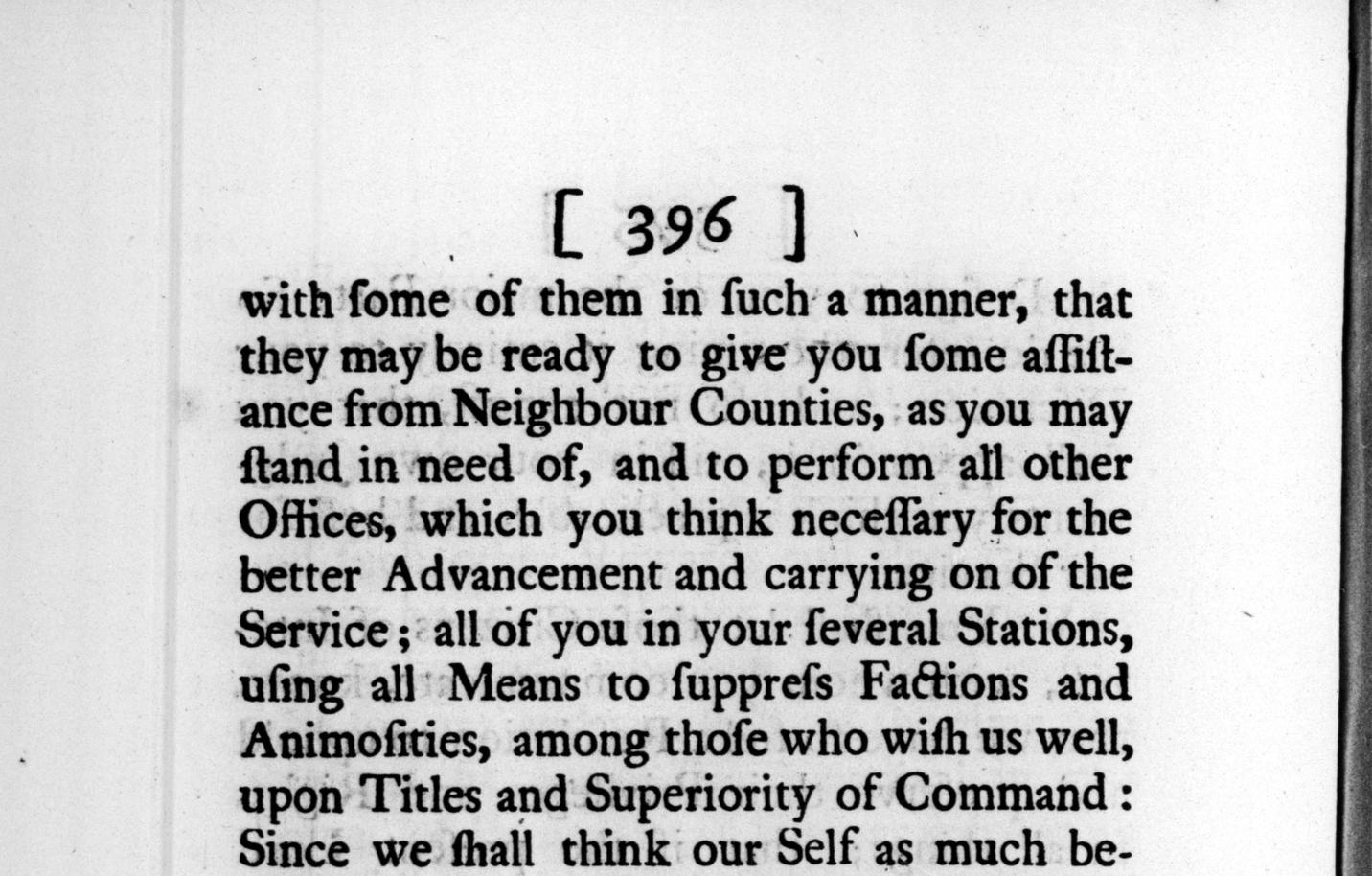
 not a cipherHyde’s ciphered superscriptions to Barwick, 1659–601659–60
- not a cipherShippen’s shorthand notes on Dee17th c.
- not a cipherIntercepted letters summarised for Nevers, 15891589
- not a cipherBurghley to Walsingham, 24 January 15731573
- not a cipherCharles V to Prince Philip on a Fugger exchange (catalogued as Burgo to Gattinara, 1527)1543–54
- thirty favouritesThirty favourites from the archivesurvey
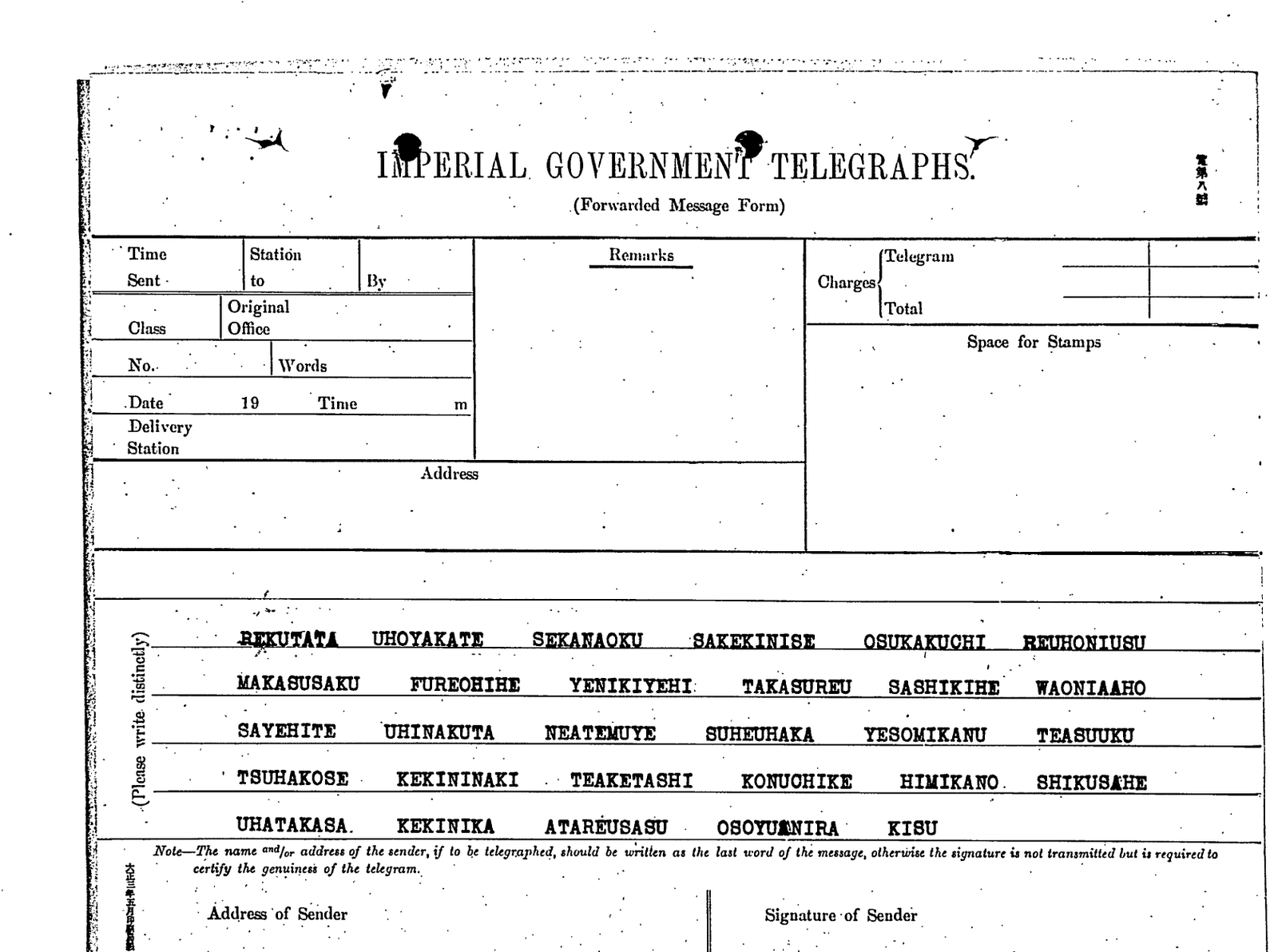
 key from adjacent plaintext · partialHuang Xing to Lin Hu and Li Genyuan, 25 May 19161916
- ciphertext-only break · partialSun Yat-sen’s intercepted telegrams, 1916–171916–17
- key from adjacent plaintext · partialCastelcicala to the Marchese di Circello and to Medici, 1816–18231816–1823
- ciphertext-only break · partialA son of William V to an officer of the Orange troops, c. 1795c. 1795
- external key matched · partialPrince Frederick of Orange to his brother, London, 7 May 17951795
- known key applied · partialVan Reede from Berlin, 1787–17931787–93
- key from adjacent plaintext · partialThe comte d’Affry’s intercepted letters from The Hague, 1757–581757–58
- known key applied · partialA letter between the Windischgrätz brothers, Brussels 17211721
- ciphertext-only break · partialBarbara Potocka and Józef Mniszech to Jakub Dunin, 1714–161714–16 / undated
- external key matched · partialPhilippe Groffey (?) to Ferenc Rákóczi II, 15 October 17071707
- known key applied · partialJános Pápai to Ferenc Rákóczi II, 1706–17101706–10
- known key applied · partialBernardo de Salinas and Pedro Ronquillo to Baltasar de Fuenmayor, 1676–781676–78
- known key applied · partialUrquhart’s Cyphral Octastich (1652) and Distich (1653)1652
- ciphertext-only break · partialA French letter in a homophonic pigpen cipher, SP 106/1017th c.
- external key matched · partialRobert Reade to his cousin, Paris, 19 April 16411641
- key from adjacent plaintext · partialJohan Banér to Torsten Stålhandske, Hof, 29 December 16401640
- key from adjacent plaintext · partialKurz von Senftenau to Trauttmansdorff, Hamburg 16391639
- ciphertext-only break · partialOtto von der Malsburg’s cipher letters to Landgrave Wilhelm V, 16371637
- known key applied · partialFrancesco Barberini to Nuncio Ceva, 16321632
- key from adjacent plaintext · partialRiksarkivet cipher letters, 1628–16331628–33
- known key applied · partialA codebreaker’s file: TNA SP 106/10, c. 1623–16241623–24
- key from adjacent plaintext · partialHenri IV to Philippe de Béthune, November 16011601
- known key applied · partialNevers to Pisany and Revol, 15931593
- known key applied · partialSpanish despatches of 1593: Miranda, Sessa, Ibarra1593
- ciphertext-only break · partialThomas Edmondes to Lord Treasurer Burghley, 1593–941593–94
- known key applied · partialA. Pelissier to Pierre Jeannin, Burgos, 13 September 15921592
- ciphertext-only break · partialCharles III of Lorraine to Vaudémont, 18 June 15921592
- key from adjacent plaintext · partialChampagne news letters to the duc de Nevers, 1590–911590–93
- known key applied · partialA letter from Rome to the abbé d’Orbais, 23 August 15891589
- known key applied · partialA letter from Reims on the chapter’s postulation, 19 June 15891589
- key from adjacent plaintext · partialLord Cobham to Walsingham, May–June 15881588
- key from adjacent plaintext · partialLord Cobham at Ostend to Walsingham, 20–22 March 15881588
- key from external plaintext · partialWalsingham to Edward Wotton in Scotland, 15851585
- existing decipherment · partialHenriette de Clèves and Renato Birago to Nevers, 15741574
- key from external plaintext · partialBurghley to Walsingham, early 15731573
- key from adjacent plaintext · partialClaude de Mondoucet to Charles IX, 1572–731571–74
- known key applied · partialSir Henry Norreys to Cecil, 1567–681567–68
- known key applied · partialCatherine de Médicis and the bishop of Rennes: four cipher letters, 1562–15641562–64
- known key applied · partialThrockmorton to Elizabeth I, 10 July 1559, and John Wood to Cecil, 15681559, 1568
- key from adjacent plaintext · partialThe Bavarian key volume: fourteen ciphertexts, 1529–15831529–1583
- external key matched · partialNicholas Wotton to Queen Mary, Soissons, 13 June 15541554
- ciphertext-only break · partialLa Guiche from Rome, 1551, with Noailles and Seure, 15581551
- known key applied · partialFerdinand I to Giovanni Maria Malvezzi, Augsburg, 23 January 15481548
- known key applied · partialThe cardinal de Mâcon in Rome to Montmorency, 1536–15371536–37
- known key applied · partialGeorges de Selve at Venice to Francis I, 1535–15361535–36
- key from adjacent plaintext · partialKing John of Hungary and an agent at Buda to the dukes of Bavaria, 15341534
- key from adjacent plaintext · partialŁaski, King John and a Bavarian at Wardein to the Dukes of Bavaria, 1531–15371531–1537
- ciphertext-only break · partialGuido Rangone to Montmorency, 1529–15301529–1530
- known key applied · partialSormano and Passano from Ferrara to François I, 15291529
- known key applied · partialGaleazzo Visconti to Montmorency, Landriano, 30 August 15281528
- known key applied · partialDel Vasto to Charles V, and a letter to “Garbino”, 1527–281527–28
- key from adjacent plaintext · partialThe Duke of Sessa to Charles V, Rome, 18 April 15241524
- key from adjacent plaintext · partialLope Hurtado de Mendoza at Rome to Charles V and Gattinara, 1523–241523–24
- ciphertext-only break · partialLope de Soria to Charles V, Genoa, 15231523
- external key matched · partialThe Duke of Sessa to Charles V, February–April 15231523
- key from adjacent plaintext · partialLope Hurtado de Mendoza at Rome to Charles V, 15221522
- known key applied · partialAlonso Sánchez at Venice to Charles V, 15221522
- key from external plaintext · partialGiuliano Caprile and Alfonso Cistarelli at Eger, 1519–211519–21
- known key applied · partialTwo ciphers in the Strängnäs sequentiary, 15171517
- key from adjacent plaintext · partialFerdinand the Catholic to Jerónimo de Vich, 1511–121511–12
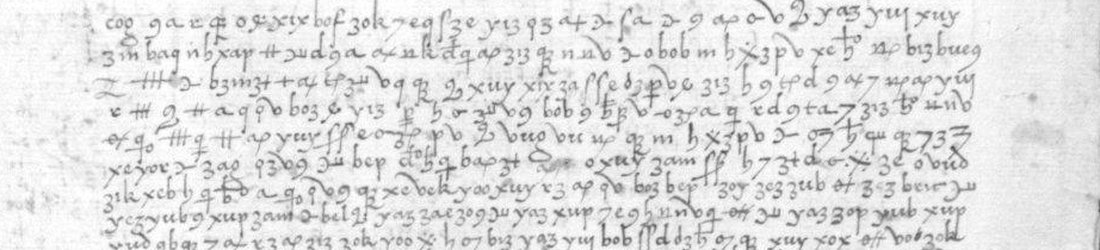
 known key applied · partialIsabella of Castile to the Duke of Estrada, 20 August 15031503
- known key applied · partialBnF Espagnol 318: five ciphered letters, 1497–15041497–1504
- known key applied · partialMaffeo da Treviglio at Buda to Ludovico Sforza, 1489–14901489–90
- key from adjacent plaintext · partialNicolò Sadoleto at Pozsony, 14821482
- ciphertext-only break · partialCipher letters to Gianfrancesco Gonzaga, 1428–14301428–1430
- ciphertext-only break · partialThe cipher letters of the Concistoro of Siena, Concistoro 2308c. 1420–1547
- not solvedThe Scorpion letters S1 and S5, 19911991
- not solvedThe Copenhagen cryptogramc.1950s
- not solvedGerman police double-box radiograms, 19421942
- not solvedThe Debosnys cryptograms, 1882–18831883
- not solvedZeschau to Seebach, Dresden to St Petersburg, 1841–18431841–1843
- not solvedRöell (attributed) to Van Dedem, 9 February 18091809
- not solvedVan Spaen to Van der Goes, 14 and 15 January 18081808
- not solvedRobert Fagel to William V, 18 June 18041804
- not solvedLodewijk van Toulon to Dirk van Hogendorp, 30 July 18031803
- not solvedDirk van Hogendorp to Maarten van der Goes, 5 July 18031803
- not solvedVan Dedem at Constantinople, 1788–17991788–1799
- not solvedHellen’s intercepted letters to Frederick II, 1752–17631752–63
- not solvedMilitary news in code for the Prince of Waldeck, 17441744
- not solvedA cipher page of 1728 in invented symbols, BL Add MS 322871728
- not solvedPalm to Starhemberg and Visconti, 17271727
- not solvedParis 1719 and Carré 1742–45 code letters, BL Add MS 323051719–45
- not solvedNicolas Desmarets to an unnamed correspondent, Marly, 4 June 17101710
- not solvedTwo letters in Abraham Cowley’s hand, Paris, 1652–531652–53
- not solvedGuidi di Bagno to the Secretariat of State, 5 January 16521652
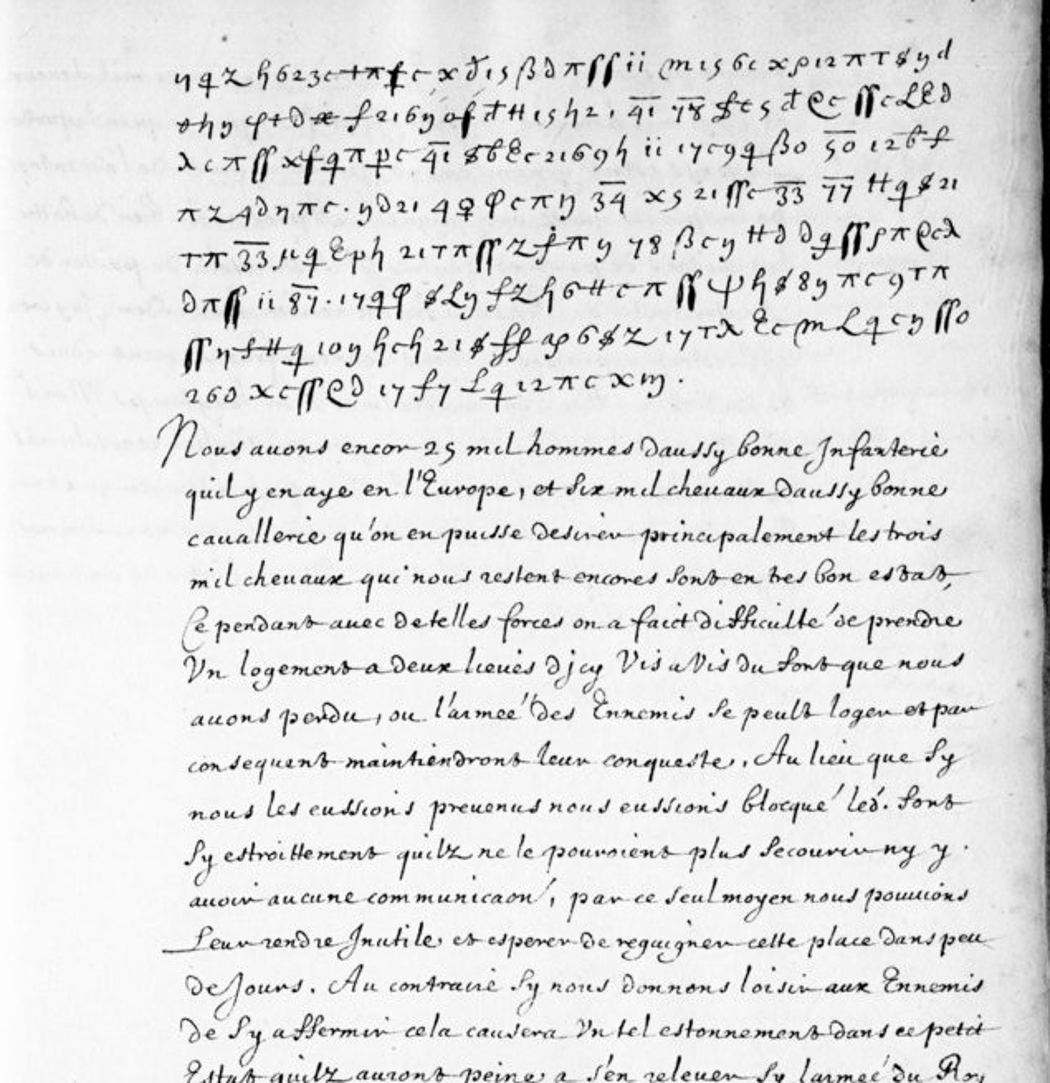 not solvedRohan papers and the Franco-Dutch letters, 1635–361635–36
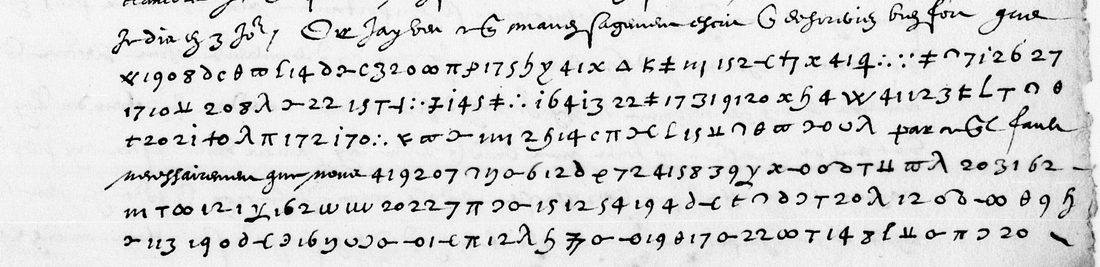 not solvedThe duc de Nevers to Villeroy, 16 August 15951595
- not solvedDinteville to the Duke of Nevers, 3 July 15921592
- not solvedNevers to La Vieuville, 30 September 15871587
- not solved“MR” to the Duke of Mercœur, 26 June [1586][1586]
- not solvedDesiderio l’Abbé to the Duke of Nevers, 15771577
- not solvedOrmanetto and Clementino, Spain nunciature, 1576–771576–77
- not solvedPhilip II to the nuncio Ormanetto, 15731573
- not solvedWalsingham to Burghley, 20 January 1572/31573
- not solvedWalsingham’s letter-book, November 15721572
- not solvedBurghley to Walsingham, 5 July 15721572
- not solvedWalsingham to Burghley, June 15711571
- not solvedSir Henry Percy to Cecil, Norham 15591559
- not solvedCardinal Farnese to the nuncio Poggio, 1542 (Vatican Challenge Part 5)1542
- not solvedGilbert Bayard to Montmorency, Toledo 15261526
- not solvedMellon MS 29: the cipher names in Frater Elias’s Lumen luminumc. 1525
- not solvedBenedetto Fantini, Buda and Eger, 1517–181517–1518
- not solvedSforza chancery to Zorzo Maino, 14461446
- not solvedQueen María to Alfonso V, Valencia 14351435
- not solvedLinear A: how far the tablets can be read without knowing the languagec. 1800–1450 BC
- not solvedThe Indus script: Parpola’s decipherment and 2,364 registered testsc. 2600–1900 BCE
- the famous onesWhy the famous ciphers resistsurvey
02 The Unsolved Catalogue
The three source lists are exhausted here: everything on them that has its text online has been attempted, read, or shown to be blocked on archive access. The queue that used to sit in this place has moved to the tracker in the repository, and the open work now comes from the catalogue: twenty-five undeciphered letters from 1497 to 1610 that are on none of the lists, found by harvesting the BnF catalogue on Gallica and by reading the fine print of the cryptiana articles. Each carries its shelfmark and ark, the prior art, a difficulty class, and the check that would confirm it is genuinely open. Four of the twenty-five have since been taken to the leaf and read, partly read or closed (Lanssac, Béthune, Nevers, du Bellay) and sit at the foot of the list with their outcome; twenty-one are open, and only one of those has been viewed on the image.
Top of the queue
- Papal-side letters: Sega, Baudouin-Desportes, Mauclerc7.514 May – 4 Aug 1593
- David Ungnad, imperial ambassador at Constantinople, to Maximilian II: a despatch wholly in cipher7.512 Mar 1576
- Johann Joachim von Sinzendorff, Constantinople, to Rudolf II: despatch wholly in cipher6.93–7 Sept 1578
- Florence, letters to the Signoria in the cipher of 1414 (Gabbrielli's partial key, letters never read)6.01414
- Siena, "Lettere in cifra" of the Concistoro: the unread pieces (no. 1 of 1421 unphotographed; two long systems, nos. 6/24 and 20/23; short pieces)6.01421 (no. 1); 29 letters 15th–16th c.
- Cipher in lower-case letters at the foot of Otto von der Malsburg's letter of 7/17 January 1637 (the letters themselves deciphered here)5.97/17 Jan 1637
Open The Unsolved Catalogue → · Tracker with the former queue ↗
Corrections and pointers to existing decipherments are welcome — a catalogue entry marked "unsolved" is often a literature search away from "solved in 1858".